
Saturday 22 March 2025
The quest for a more efficient way to navigate our increasingly congested roads has led researchers down a fascinating path of game theory and information design. In a recent study, scientists have demonstrated that by cleverly manipulating the information available to drivers, they can reduce traffic congestion and minimize travel times.
The concept is simple: in a world where everyone knows how many people are on the road at any given time, it’s easy for individual drivers to make informed decisions about when to leave or which route to take. But what if you could influence those decisions by subtly altering the information available? That’s exactly what these researchers have done.
They developed an algorithm that takes into account the number of drivers on the road and adjusts the information they receive in real-time, encouraging them to make choices that minimize congestion. It’s a bit like playing a game of chess, where each player is constantly adjusting their strategy based on the moves made by others.
The beauty of this approach lies in its ability to adapt to changing circumstances. As traffic patterns shift and road conditions evolve, the algorithm can adjust its recommendations accordingly, ensuring that drivers are always making the best decision for the situation.
But how does it work? The researchers used a combination of game theory and information design to create an environment where drivers would naturally make choices that reduce congestion. By cleverly manipulating the information available, they were able to influence driver behavior without directly telling them what to do.
The results are impressive: simulations showed that the algorithm was able to reduce traffic congestion by up to 20% compared to traditional methods of traffic management. And it’s not just about reducing congestion – this approach also has the potential to reduce travel times and decrease fuel consumption.
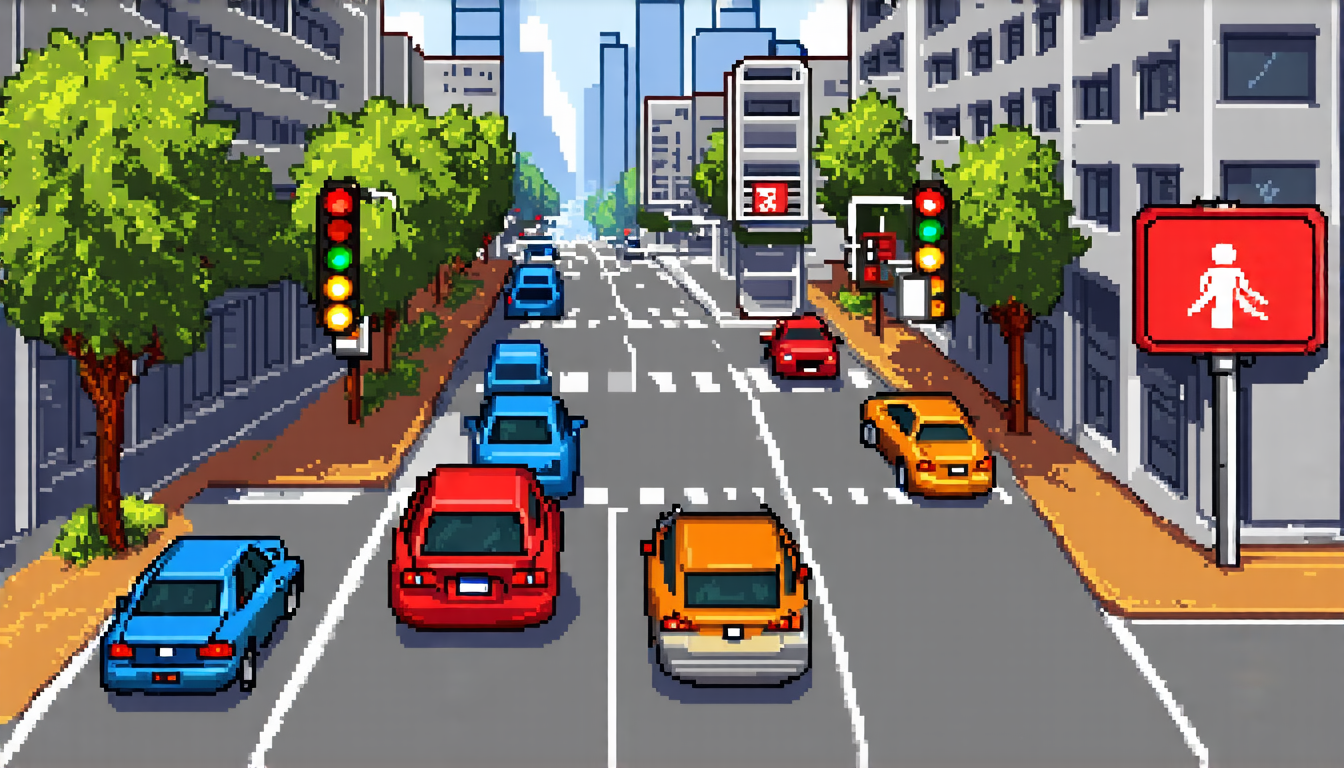
So how might this technology be implemented in real-world scenarios? The possibilities are endless. From smart traffic lights that adjust their timing based on real-time traffic conditions, to intelligent road signs that provide personalized traffic updates, the implications are vast.
As our cities continue to grow and urbanization becomes increasingly important, finding ways to manage traffic congestion will become a top priority. This innovative approach may just be the key to unlocking a more efficient, sustainable transportation system for the future.
Cite this article: “Smart Traffic Management Through Game Theory and Information Design”, The Science Archive, 2025.
Traffic Management, Game Theory, Information Design, Congestion Reduction, Travel Time, Fuel Consumption, Smart Traffic Lights, Intelligent Road Signs, Urbanization, Transportation System