

Saturday 22 March 2025
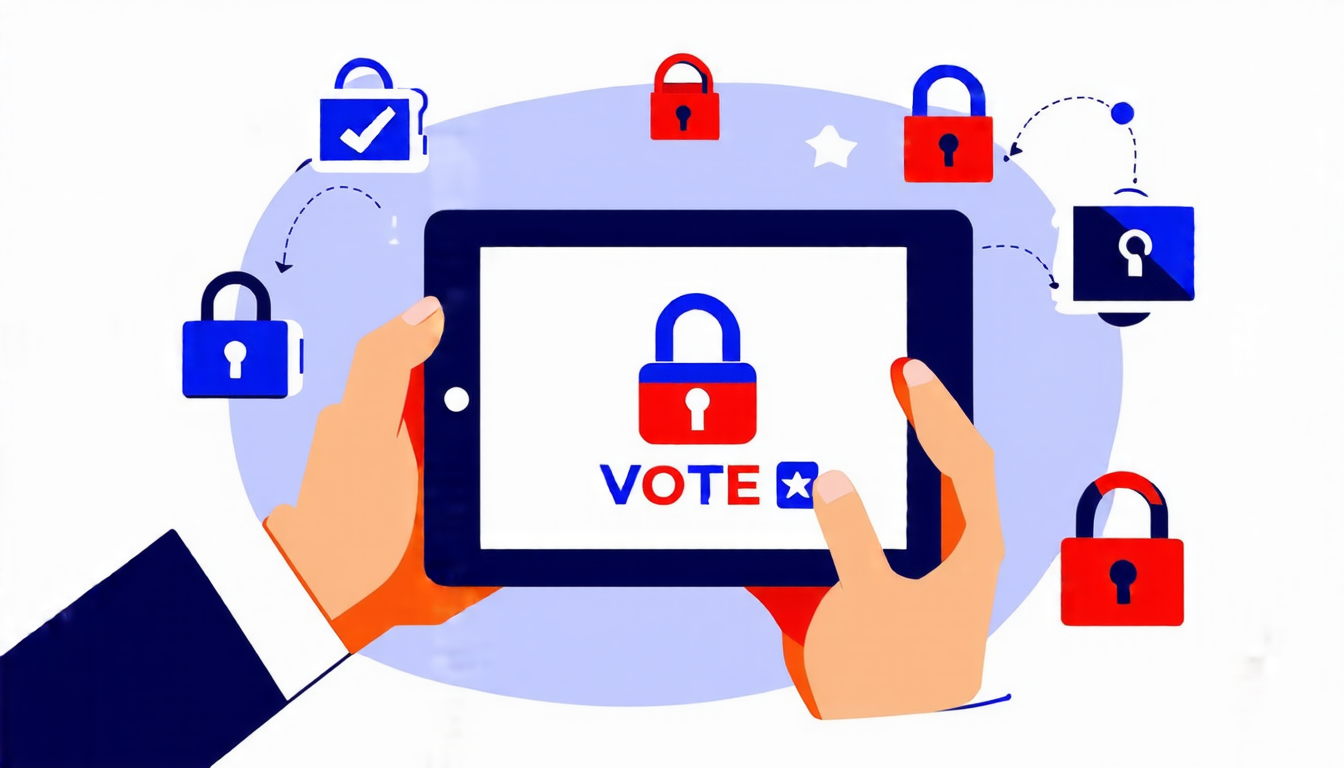
The quest for secure online voting has been a long and arduous one, with many attempts to create a system that is both reliable and verifiable. A recent paper has shed new light on the challenges faced by election authorities and the potential solutions that can be implemented.
One of the major concerns surrounding online voting is the risk of manipulation or tampering with the results. To address this issue, researchers have been exploring ways to ensure the integrity of the voting process, from end-to-end verification to secure data storage. However, these measures are often at odds with another crucial aspect of online voting: user-friendliness.
A recent study has highlighted the importance of balancing these competing demands. By examining the experiences of Estonia’s internet voting system, researchers have identified key areas where improvements can be made to enhance security and transparency while maintaining usability.
One such area is the need for better communication between election authorities and voters. In Estonia’s case, the lack of clear explanations about the voting process has led to confusion and mistrust among citizens. By providing more detailed information and regular updates, authorities can help build confidence in the system.
Another critical aspect is the design of the voting interface itself. Researchers have found that overly complex or cluttered interfaces can lead to errors and misunderstandings, potentially compromising the integrity of the vote. A user-friendly interface, on the other hand, can reduce the likelihood of mistakes and increase voter satisfaction.
In addition, the study emphasizes the importance of robust testing and evaluation procedures. By subjecting the voting system to rigorous scrutiny, election authorities can identify potential vulnerabilities before they are exploited by malicious actors.
The paper also highlights the need for better incident response planning. In the event that a security breach or technical issue arises, authorities must be prepared to respond quickly and effectively to minimize the impact on the voting process.
While significant challenges remain in creating a secure and reliable online voting system, this study provides valuable insights into the complexities of balancing user-friendliness with security. By addressing these issues head-on, election authorities can work towards building trust in digital democracy.
As the world continues to grapple with the challenges of online voting, researchers are working tirelessly to develop solutions that meet the needs of both citizens and election authorities. With continued innovation and collaboration, it is possible to create a system that is not only secure but also accessible and transparent.
Cite this article: “Securing Online Voting: Balancing User-Friendliness with Security”, The Science Archive, 2025.
Online Voting, Security, Integrity, User-Friendliness, Estonia, Election Authorities, Voting Interface, Testing, Evaluation, Incident Response, Digital Democracy





