
Monday 24 March 2025
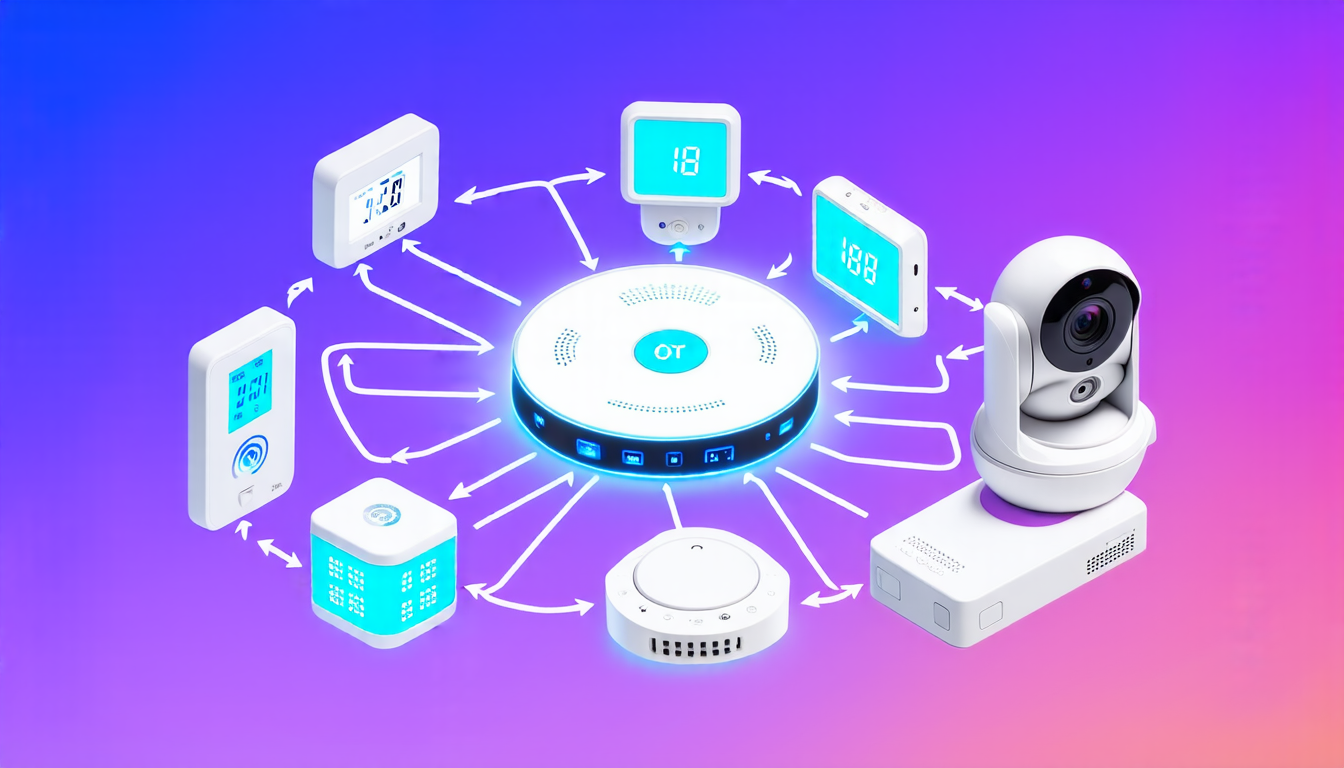
The quest for a seamless smart service experience has long been an elusive goal for companies and consumers alike. The proliferation of IoT devices, cloud computing, and artificial intelligence has created a complex web of technologies that must be carefully integrated to deliver a cohesive and efficient service.
A recent study aimed to tackle this challenge by identifying key design principles for technical smart service systems. By examining the needs and pain points of two large industrial product firms, researchers were able to distill eight essential principles that can help companies overcome common obstacles and create effective smart services.
One of the primary challenges in developing smart services is ensuring seamless integration with existing customer systems. This requires a deep understanding of the customer’s architecture and processes, as well as the ability to adapt to their unique needs and requirements. To address this issue, researchers emphasized the importance of modular design, standardization, and scalability.
Another crucial aspect of smart service development is data management. As IoT devices generate vast amounts of data, companies must be able to collect, process, and analyze it efficiently in order to provide valuable insights and services. The study highlighted the need for cost-optimized migration paths for legacy integration, as well as the importance of standardized interfaces and data formats.
In addition to these technical considerations, researchers also recognized the significance of business model integration and monetization strategies. Smart services often require a shift away from traditional transactional sales models towards recurring revenue and regular payment schemes. Companies must be able to adapt their business processes and organizational structures to accommodate this change.
The study’s findings have far-reaching implications for companies looking to develop effective smart services. By focusing on deployment flexibility, customer co-creation, and scalable architecture, firms can create solutions that are tailored to the unique needs of their customers. Moreover, by prioritizing data management, standardization, and modular design, companies can reduce costs and improve efficiency.
The researchers’ emphasis on scalability and modularity is particularly noteworthy. As IoT devices continue to proliferate and cloud computing becomes increasingly prevalent, companies must be able to adapt quickly to changing market conditions and customer needs. By designing their smart services with scalability and modularity in mind, firms can ensure that they remain competitive and innovative over the long term.
Ultimately, the development of effective smart services requires a deep understanding of both technical and business considerations. By applying the design principles outlined in this study, companies can create solutions that are truly transformative and capable of delivering real value to their customers.
Cite this article: “Designing Effective Smart Services: Key Principles for Success”, The Science Archive, 2025.
Iot, Smart Services, Cloud Computing, Artificial Intelligence, Technical Systems, Customer Integration, Data Management, Business Models, Scalability, Modularity