
Wednesday 26 March 2025
Researchers have made a significant breakthrough in understanding how our brains respond to changes in our environment and emotions. By analyzing data from functional magnetic resonance imaging (fMRI) scans, scientists have developed new methods for identifying rapid changes in brain activity.
The study focused on a specific type of brain response known as the hemodynamic response function (HRF). This is the way our brains react to stimuli, such as seeing a picture or hearing a sound. The HRF is typically thought to be stationary, meaning it remains consistent over time. However, this new research suggests that it can change rapidly in response to changes in our emotions and environment.
The researchers used fMRI scans to monitor brain activity while participants performed tasks designed to evoke emotional responses. They then analyzed the data using a combination of statistical models and machine learning algorithms to identify patterns of rapid change in the HRF.
The results showed that the brain’s response to stimuli can change rapidly, sometimes within seconds or minutes. This suggests that our brains are constantly adapting to new information and emotions, and that this adaptation is crucial for learning and memory.
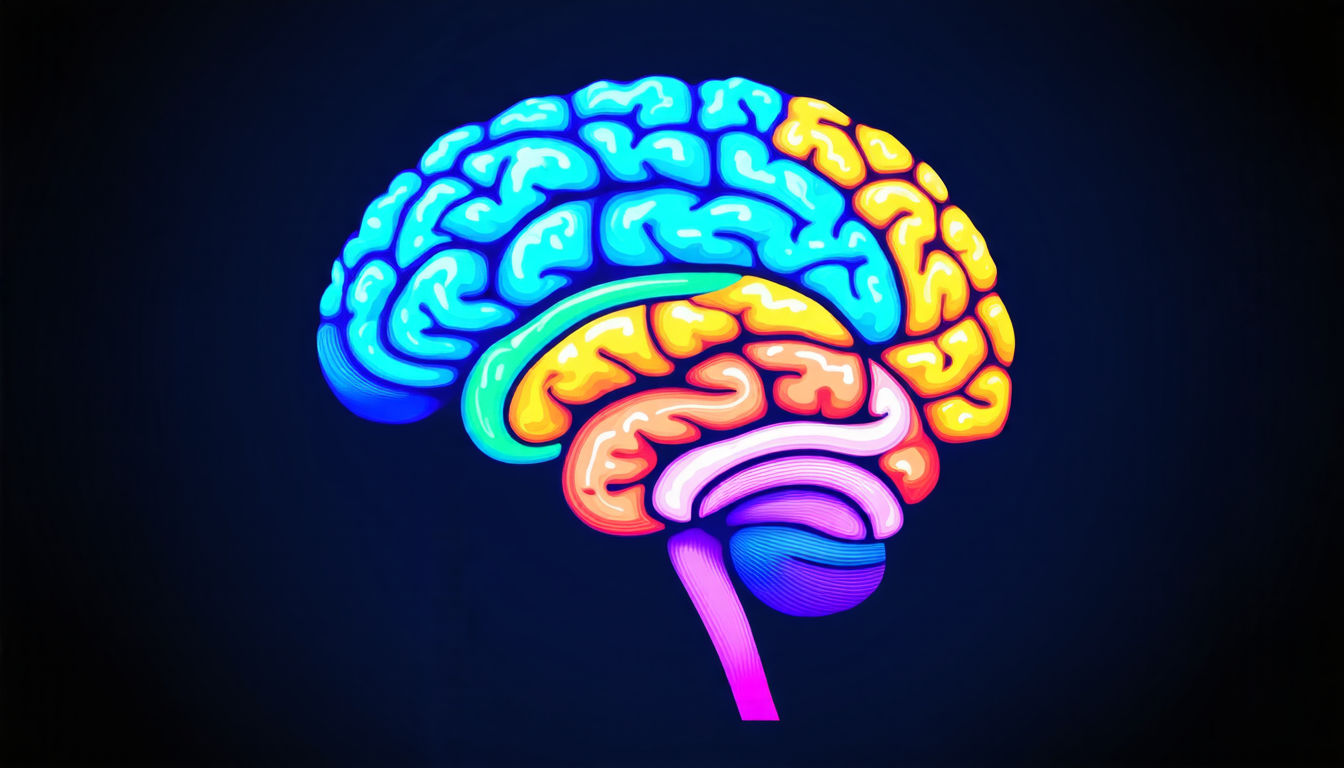
One of the key findings was that the brain’s default mode network (DMN) – a group of brain regions active when we’re not focused on the outside world – plays a critical role in these rapid changes. The DMN is responsible for introspection, self-reflection, and mind-wandering, and its activity can fluctuate rapidly depending on our emotional state.
The researchers also found that different parts of the brain are involved in different types of change. For example, changes related to attention and concentration were linked to activity in areas such as the prefrontal cortex and parietal lobe, while changes related to emotion and motivation were linked to activity in areas such as the amygdala and nucleus accumbens.
This research has significant implications for our understanding of brain function and behavior. It suggests that our brains are much more dynamic and adaptable than previously thought, and that this adaptability is essential for learning and memory.
The study also highlights the importance of considering individual differences in brain function when designing experiments or developing treatments for neurological disorders. By taking into account the unique patterns of brain activity in each person, researchers may be able to develop more effective interventions and improve our understanding of brain function.
Overall, this research provides new insights into the complex workings of the human brain, and has significant implications for fields such as psychology, neuroscience, and medicine.
Cite this article: “Brain Function Found to be Dynamically Adaptable in Response to Environmental and Emotional Changes”, The Science Archive, 2025.
Fmri, Hrf, Brain Activity, Emotional Response, Environment, Adaptation, Learning, Memory, Default Mode Network, Neuroscience