
Friday 28 March 2025
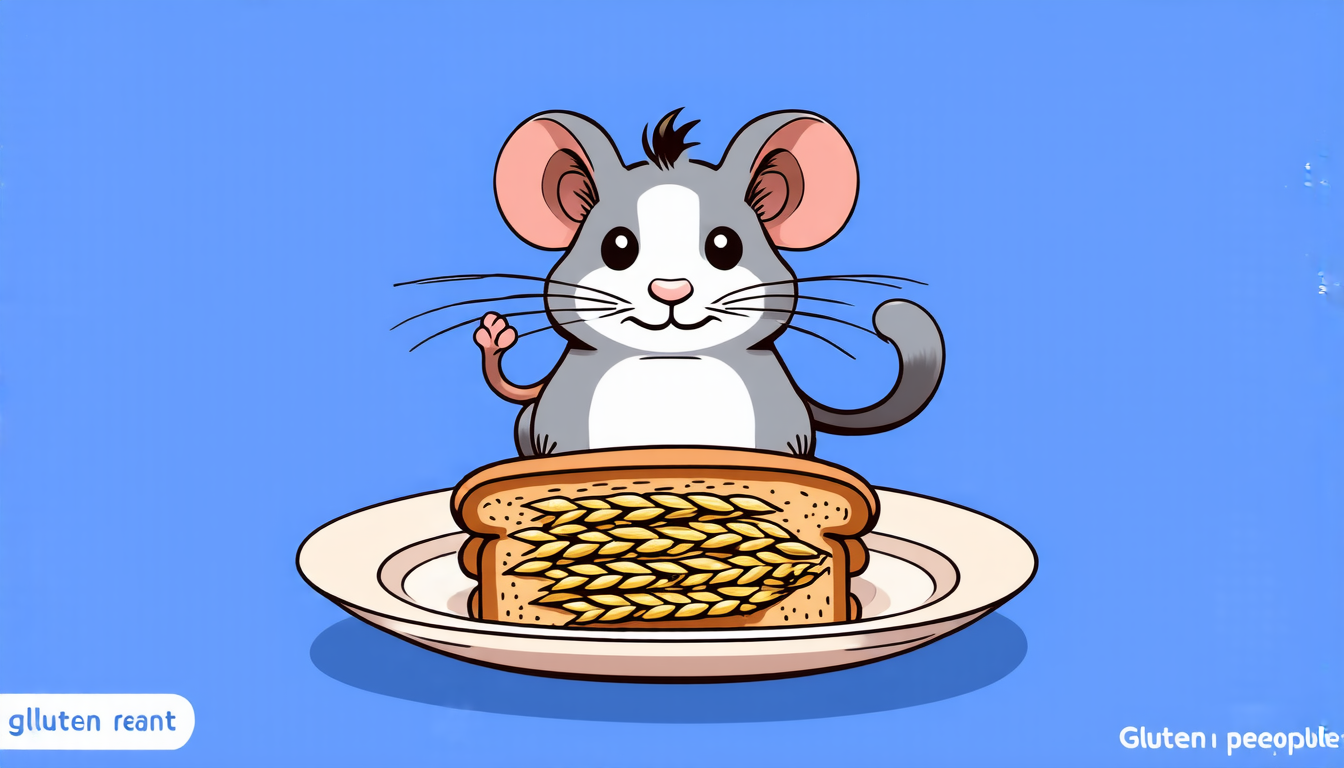
Scientists have long been fascinated by the mysterious effects of gluten, a protein found in wheat and other grains. While some people experience severe reactions to gluten, others seem to tolerate it just fine. But what happens when rats are fed high doses of gluten? A recent study set out to answer this question.
The researchers started by dividing 24 rats into four groups. The first group was given a normal diet, while the second, third, and fourth groups were fed daily doses of 0.5, 1.0, and 1.5 grams of gluten extract, respectively. The rats were observed for 90 days before their blood samples were collected.
The results showed that even at high doses, gluten did not have any adverse effects on the rats’ body weight or blood glucose levels. In fact, the rats that received the highest dose of gluten actually gained more weight than those in the control group!
But what about the rat’s internal organs? The researchers looked closely at the liver and kidneys, which are often affected by toxic substances. They found no significant changes in these organs, even at high doses of gluten.
The team also tested for signs of genetic damage, such as micronuclei and nuclear aberrations. Surprisingly, they found that the rats showed no increased risk of genetic mutations or chromosomal damage from consuming gluten.
So what does this mean? It seems that gluten is not toxic to rats, even at high doses. This challenges our current understanding of gluten’s effects on the body. While some people may still experience adverse reactions to gluten, it appears that others can tolerate it without issue.
The study’s findings also raise questions about the role of gluten in human health. Some research has linked gluten consumption to an increased risk of chronic diseases, such as diabetes and obesity. However, this study suggests that these associations may be due to other factors, rather than the presence of gluten itself.
Overall, this study provides valuable insights into the effects of gluten on the body. While more research is needed to fully understand its role in human health, it’s clear that gluten is not a toxic substance in and of itself. Instead, its impact on our bodies may depend on individual factors, such as diet, lifestyle, and genetic makeup.
The researchers’ findings also highlight the importance of considering individual variability when studying the effects of substances like gluten. By taking into account differences between people and animals, scientists can gain a more accurate understanding of how these substances affect us.
Cite this article: “Glutens Surprising Lack of Toxicity in Rats”, The Science Archive, 2025.
Gluten, Rats, Study, Effects, Toxic, Protein, Wheat, Grains, Body, Health