
Sunday 30 March 2025
Scientists have long been fascinated by the complex dance between the genetic instructions encoded in our DNA and the proteins that carry out the functions of living organisms. One crucial step in this process is the degradation of messenger RNA (mRNA), which is essential for maintaining cellular homeostasis and responding to environmental cues.
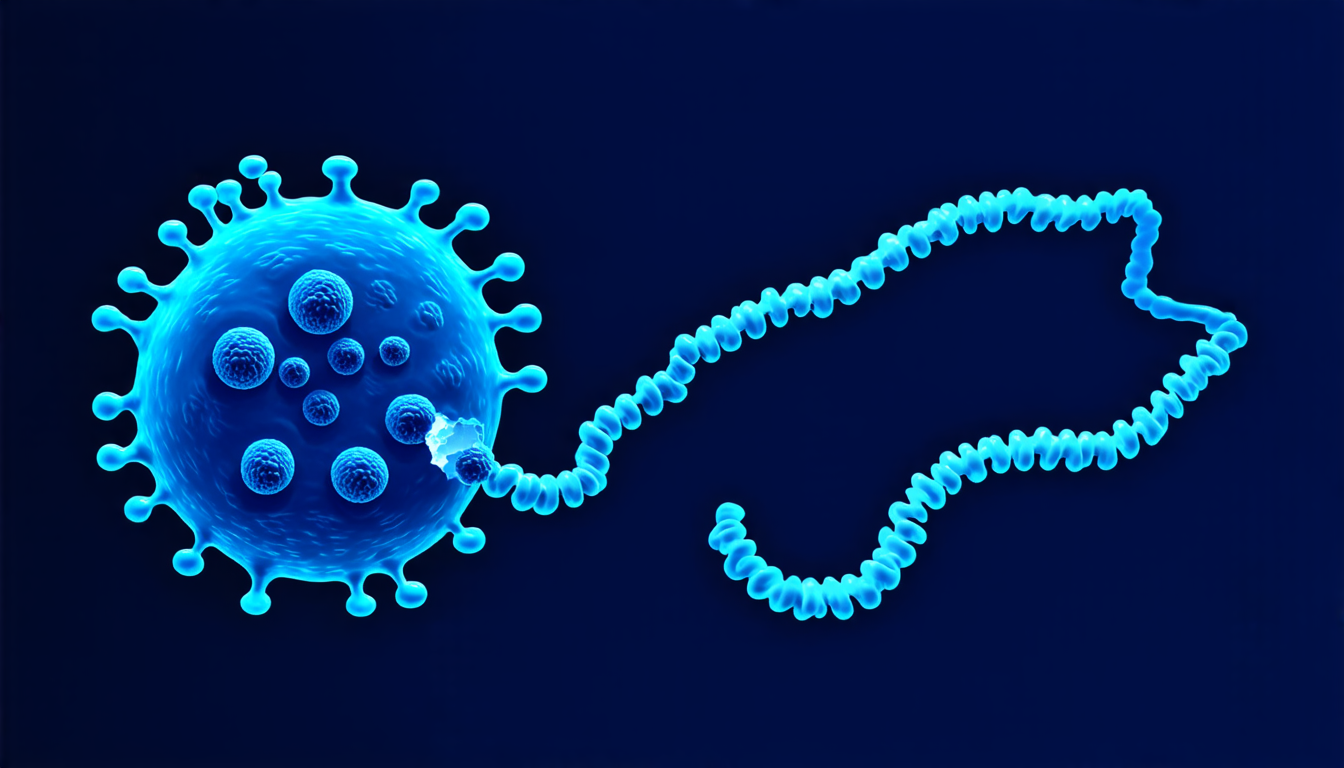
Recently, researchers have made significant progress in understanding a previously overlooked aspect of mRNA decay: co-translational mRNA decay (CTRD). This phenomenon occurs when the ribosomes responsible for translating mRNA into protein encounter obstacles along the way, triggering the degradation of the mRNA before its full translation is complete.
Studies have shown that CTRD plays a crucial role in maintaining cellular balance by regulating gene expression and responding to stress signals. In plants, CTRD has been linked to various physiological processes, including development, growth, and response to environmental stimuli such as light and temperature.
One of the key findings is that CTRD is not a random process, but rather a highly regulated mechanism that is tightly coupled to translation. Ribosomes, which are responsible for translating mRNA into protein, can sense when something goes awry during translation and trigger the degradation of the mRNA. This ensures that faulty or aberrant proteins are not produced.
Researchers have also identified specific sequence features that mark mRNAs for CTRD. These include short sequences of nucleotides that are enriched near the 5′ end of the mRNA, which serve as a signal for ribosomes to initiate degradation.
The study of CTRD has far-reaching implications for our understanding of cellular biology and disease. For example, disruptions in CTRD have been linked to various diseases, including neurodegenerative disorders and cancer. Understanding the mechanisms underlying CTRD could lead to the development of new therapeutic strategies for these conditions.
In addition, the study of CTRD has shed light on the complex interplay between translation and mRNA degradation. This knowledge can be used to improve our understanding of cellular processes and develop novel approaches for modulating gene expression.
The researchers have also developed a range of tools and techniques to analyze CTRD, including advanced sequencing technologies that allow them to map the decay patterns of individual mRNAs with unprecedented precision. These advances will enable scientists to explore the intricacies of CTRD in greater detail, revealing new insights into the intricate dance between translation and mRNA degradation.
The study of co-translational mRNA decay is a fascinating area of research that has the potential to revolutionize our understanding of cellular biology.
Cite this article: “Unraveling the Mysteries of Co-Translational mRNA Decay”, The Science Archive, 2025.
Mrna Decay, Co-Translational Mrna Decay, Ribosomes, Translation, Gene Expression, Cellular Homeostasis, Environmental Cues, Protein Synthesis, Genetic Instructions, Dna