

Sunday 30 March 2025
Scientists have made a significant breakthrough in the field of optical imaging, allowing them to create high-resolution three-dimensional images of objects using only intensity data. This achievement has far-reaching implications for fields such as biology, medicine, and materials science.
Traditionally, creating detailed 3D images requires phase information, which is difficult to obtain. However, researchers have developed a new method that can reconstruct 3D images from intensity data alone. This approach uses a combination of physics-based models and machine learning algorithms to infer the phase information required for accurate image reconstruction.
The team achieved this feat by developing an adaptive neural network that incorporates physical constraints into its training process. This allows the network to learn how to accurately reconstruct 3D images from intensity data, even in cases where the object is highly scattering or has complex structures.
One of the key benefits of this new approach is its ability to produce high-resolution images with a much higher signal-to-noise ratio than previous methods. This makes it possible to visualize small details and subtle changes in the object’s structure that would be difficult or impossible to see using traditional techniques.
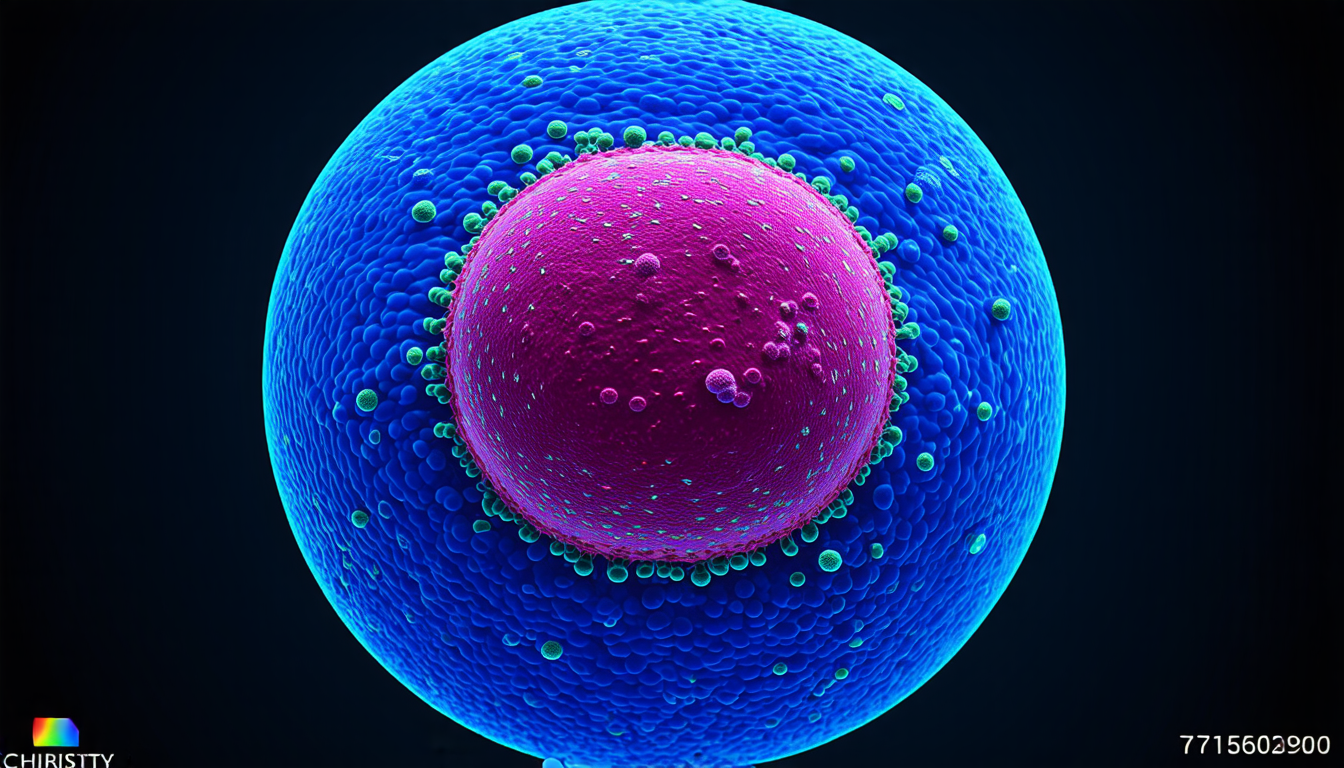
The researchers demonstrated their method by applying it to various biological samples, including cells and tissues. They were able to produce detailed 3D images of these samples with a resolution of up to 1 micron, which is comparable to the best current methods.
This breakthrough has significant implications for fields such as biology, medicine, and materials science. For example, it could be used to study the structure and function of cells and tissues in unprecedented detail, potentially leading to new insights into diseases and their treatment. It could also be used to develop more accurate models of complex systems, such as those found in materials science.
The team’s approach is not limited to biological samples, however. They believe that it has the potential to be applied to a wide range of fields where high-resolution 3D imaging is important. This includes areas such as astronomy, where it could be used to study the structure and composition of distant stars and galaxies.
Overall, this breakthrough represents an exciting new development in the field of optical imaging. Its potential applications are vast, and it has the potential to revolutionize our ability to visualize and understand complex systems.
Cite this article: “Revolutionizing 3D Imaging with Intensity Data Alone”, The Science Archive, 2025.
Optical Imaging, 3D Images, Intensity Data, Phase Information, Machine Learning, Neural Network, Signal-To-Noise Ratio, High-Resolution Images, Biological Samples, Materials Science.





