

Sunday 06 April 2025
Have you ever found yourself stuck in a creative rut while working on a project? Maybe you’re trying to design a new game, but can’t seem to come up with an idea that sparks your interest. Or perhaps you’re a graphic designer struggling to come up with fresh concepts for a client. Whatever the case may be, a team of researchers has been exploring ways to help creatives like yourself overcome these obstacles by developing generative tools.
These innovative tools are designed to assist in the creation process by generating ideas and inspiration. Think of them as digital brainstorming partners that can help you come up with new concepts quickly and efficiently. The researchers behind this project have been studying how designers and developers use these tools, and what they’ve found is fascinating.
For starters, it seems that creatives tend to prefer using generative tools in the early stages of a project. This makes sense, as these tools can help spark new ideas and get the creative juices flowing. However, it’s interesting to note that designers and developers also want to be able to control the output of these tools, rather than just accepting whatever idea is generated.
One of the key findings of this research is that users prefer generative tools that can produce large volumes of variations quickly. This suggests that creatives are often looking for a spark of inspiration, rather than a fully formed idea. By generating multiple options, these tools can help designers and developers explore different directions and find the one that works best for their project.
Another important aspect of generative tools is how they integrate with existing software and pipelines. The researchers found that users prefer tools that are easy to use and fit seamlessly into their workflow. This makes sense, as creatives often have limited time and resources, and need tools that can help them work efficiently.
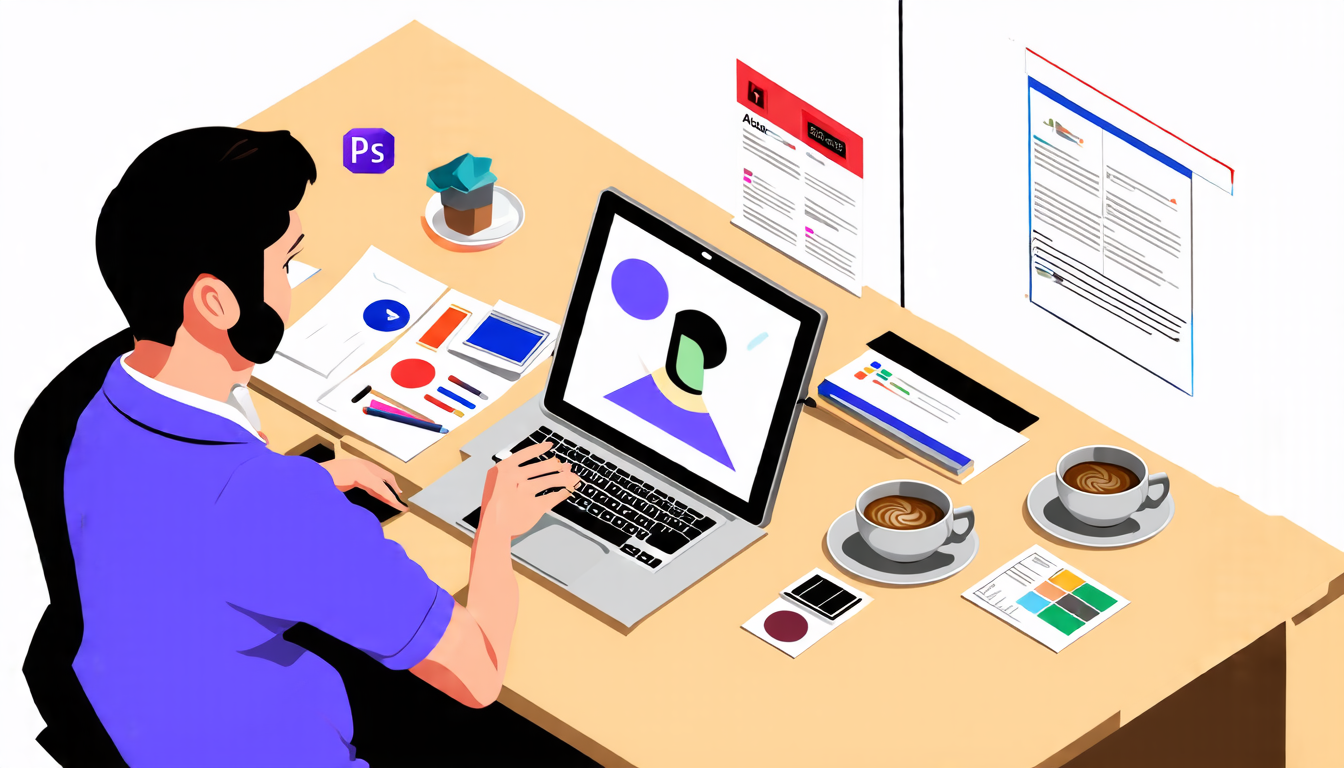
The study also looked at the design language of generative tools, finding that users prefer interfaces that match the design language of their existing software. In other words, if you’re using a tool that’s designed to look like Adobe Photoshop, you’ll likely find it easier to use and more intuitive than a tool with a completely different interface.
The implications of this research are significant. By developing generative tools that cater to the needs and preferences of designers and developers, we can create new opportunities for creativity and innovation. Whether you’re working on a game, graphic design project, or something entirely new, these tools have the potential to help you overcome creative blocks and bring your ideas to life.
Cite this article: “Unlocking Creative Potential: Empirical Guidelines for Integrating Generative Tools into Game Design Pipelines”, The Science Archive, 2025.
Creativity, Generative Tools, Design, Innovation, Research, Creative Rut, Brainstorming, Inspiration, Software, Workflow





