

Sunday 06 April 2025
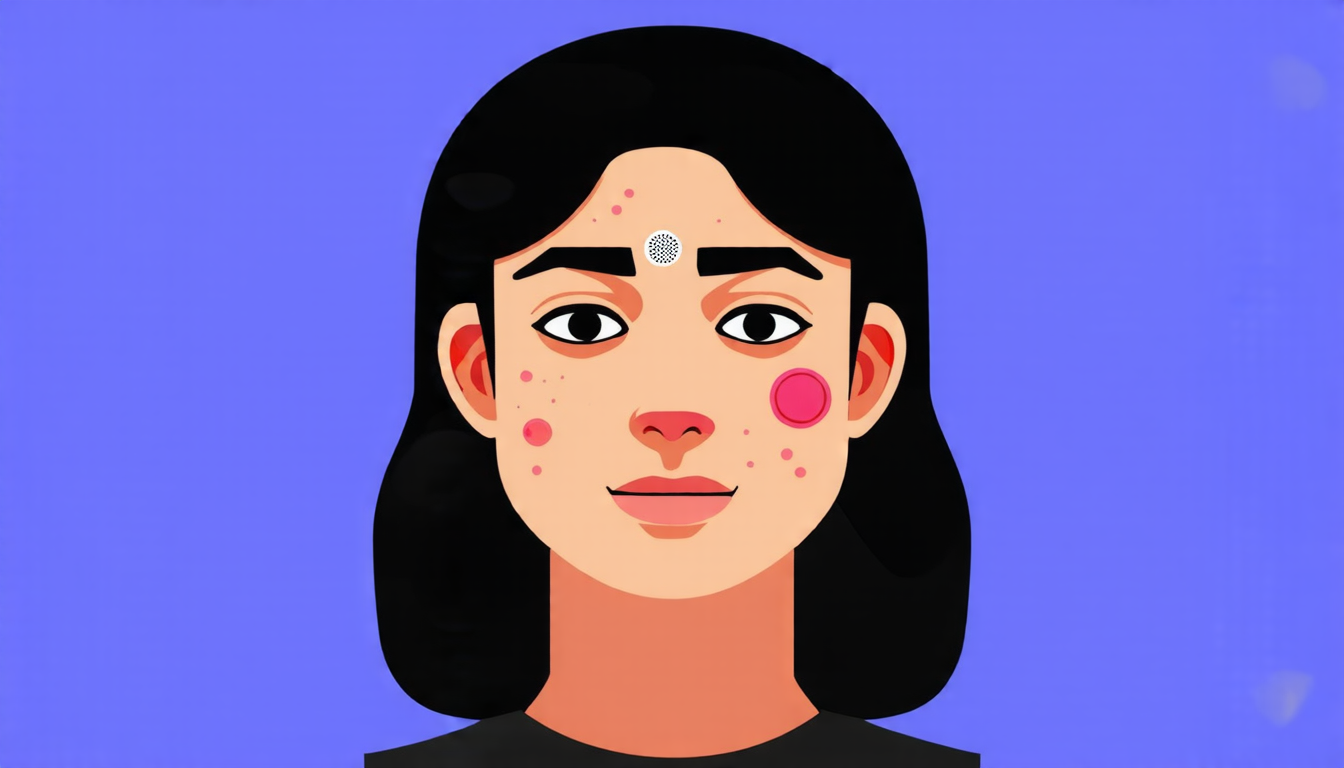
A team of researchers has made a significant breakthrough in developing an automated system that can recognize and classify six different types of acne diseases. The system uses a combination of computer algorithms and machine learning techniques to analyze images of skin lesions and diagnose the type of acne.
The development of this system is a major step forward in the field of dermatology, as it has the potential to revolutionize the way doctors diagnose and treat acne. Currently, acne diagnosis is often subjective and can be affected by factors such as lighting conditions and the skill level of the doctor. The automated system, on the other hand, uses objective criteria to analyze images of skin lesions and provide an accurate diagnosis.
The system works by first using a pre-processing step to enhance the contrast of the images and remove noise. This is followed by a segmentation step, where the system identifies the boundaries of the acne lesion and separates it from the surrounding skin. The system then extracts features from the image, such as texture and shape, which are used to train a machine learning algorithm to recognize the type of acne.
The researchers tested their system on a dataset of 440 images of skin lesions, representing six different types of acne. They found that the system was able to accurately diagnose the type of acne in 98.5% of cases, outperforming human dermatologists in some instances.
One of the key advantages of this system is its ability to analyze images quickly and accurately. This could be particularly useful in emergency situations where a rapid diagnosis is necessary. Additionally, the system could potentially be used to monitor the progression of acne over time, allowing doctors to more effectively treat patients and track the effectiveness of treatment.
The development of this automated system is also likely to have far-reaching implications for the field of dermatology as a whole. As the technology continues to evolve, it could potentially be used to diagnose other skin conditions, such as melanoma or psoriasis. This could lead to earlier detection and more effective treatment of these conditions, ultimately improving patient outcomes.
While there is still much work to be done in refining this technology, the potential benefits are clear. An automated system that can accurately diagnose acne has the potential to revolutionize the way we approach skin health, and it’s an exciting development for patients and doctors alike.
Cite this article: “Automated Acne Detection and Classification: A Deep Learning Approach”, The Science Archive, 2025.
Acne, Dermatology, Automated System, Machine Learning, Computer Algorithms, Skin Lesions, Diagnosis, Treatment, Melanoma, Psoriasis





