

Sunday 06 April 2025
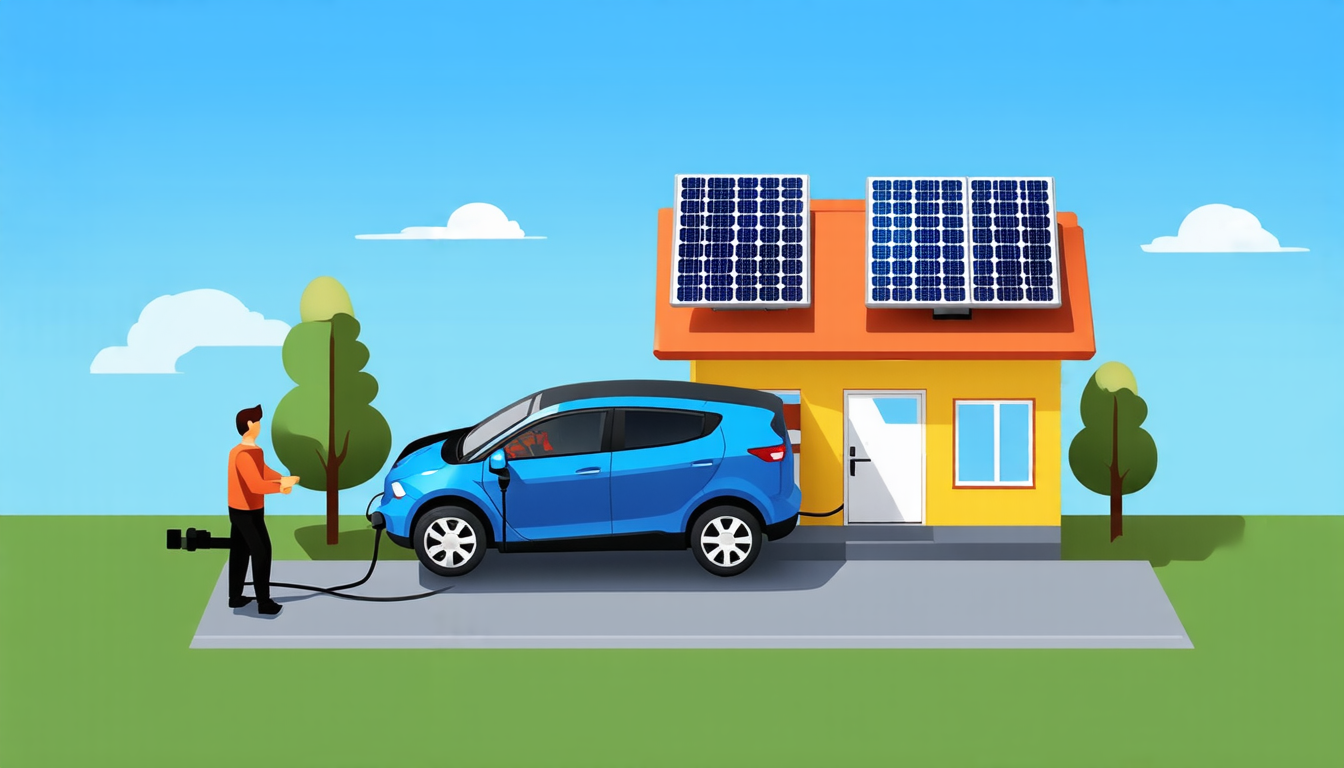
As we continue to transition towards a more sustainable future, one of the biggest challenges we face is finding ways to make our daily habits cleaner and more environmentally friendly. One area that’s gotten significant attention in recent years is electric vehicle (EV) charging. While EVs themselves are an excellent way to reduce emissions, the way we charge them can either help or hinder their environmental benefits.
A new study has shed light on a crucial aspect of EV charging: when and how we do it. The research analyzed data from over 5,000 Rivian vehicles in the United States, examining the charging habits of their owners and how they align with utility tariffs and carbon emissions. The findings are fascinating and offer valuable insights into how we can optimize our EV-charging habits for a cleaner environment.
One of the most significant takeaways is that many EV owners are not actively scheduling their charges to coincide with times when renewable energy sources, like solar power, are abundant. In fact, the study found that only about 26% of charging sessions occurred during optimal times, such as early morning or late evening when the grid is likely to be powered by cleaner energy sources.
This lack of coordination between EV charging and renewable energy generation can lead to increased emissions and higher costs for consumers. The study suggests that if EV owners were to schedule their charges more strategically, they could reduce their carbon footprint by up to 28% annually. That’s equivalent to taking around 140 cars off the road!
So, how can we make this happen? One approach is to integrate smart charging systems into our vehicles and homes. These systems can analyze real-time energy demand and renewable energy availability, adjusting charging times accordingly. This way, EV owners can reap the benefits of cleaner energy without having to lift a finger.
The study also highlights the importance of utility tariffs in promoting sustainable EV charging practices. Tariffs that incentivize off-peak charging or time-of-use pricing can encourage drivers to charge their vehicles during periods when renewable energy is abundant. By designing tariffs that align with grid conditions, utilities can play a crucial role in reducing emissions and supporting a cleaner energy future.
As we strive to make our daily habits more sustainable, the way we charge our EVs will be a critical factor. By understanding how our charging habits impact the environment and making small changes to our routine, we can all do our part in reducing emissions and creating a cleaner world for future generations.
Cite this article: “Unlocking the Potential of Smart Charging: A Study on the Impact of Time-of-Use Rates and Marginal Carbon Emissions on Electric Vehicle Adoption”, The Science Archive, 2025.
Electric Vehicles, Sustainable Energy, Renewable Power, Smart Charging, Carbon Emissions, Utility Tariffs, Time-Of-Use Pricing, Off-Peak Charging, Environmental Impact, Clean Energy Future





