

Sunday 06 April 2025
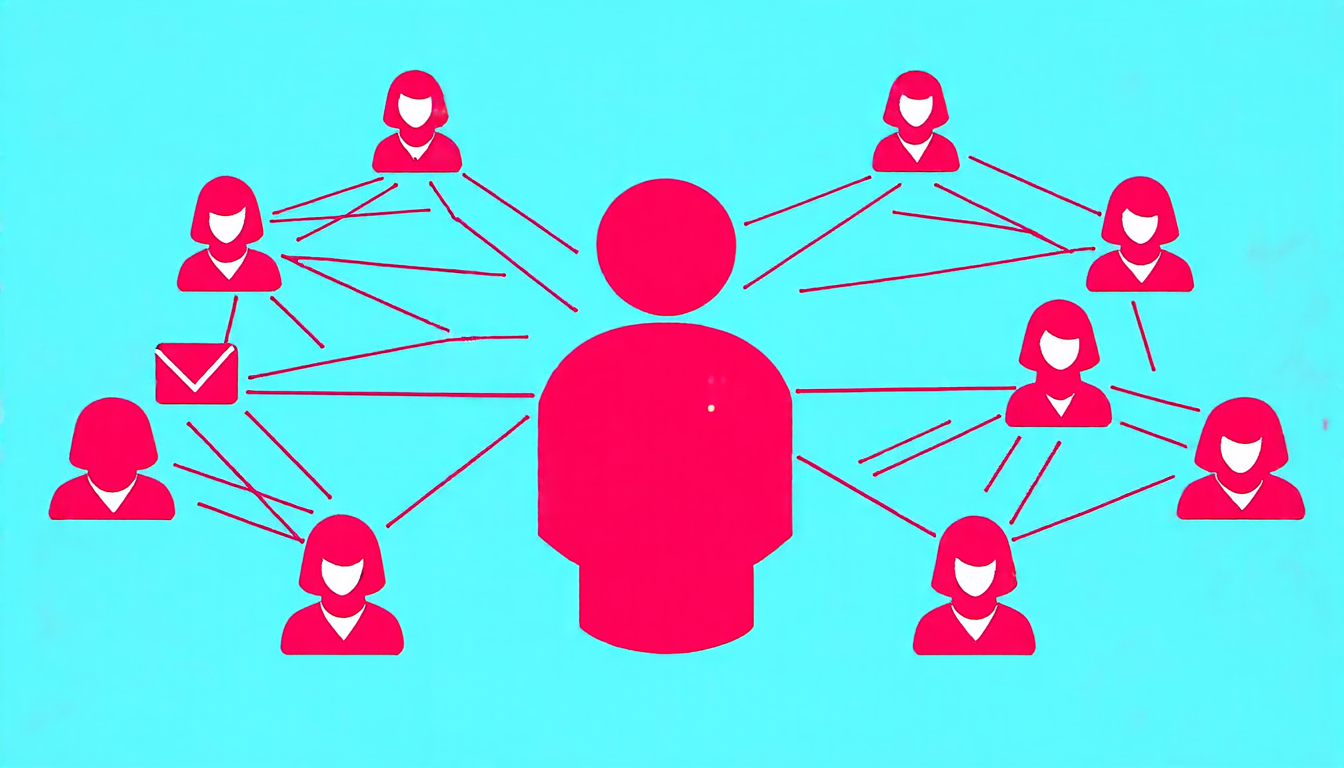
A new approach has been developed to better understand how social influence shapes our opinions and behaviors, and how we can harness this power for good. By analyzing complex networks of people’s interactions, researchers have created a model that simulates how individual inclinations evolve over time, influenced by both personal beliefs and external factors.
The model takes into account the unpredictable nature of human behavior, incorporating random events and external pressures to create a more realistic simulation. This allows researchers to better understand how social influence can either amplify or dampen these effects, ultimately shaping our opinions and behaviors.
One key finding is that social pressure plays a significant role in shaping individual inclinations. When individuals are surrounded by people who share similar beliefs, they are more likely to adopt those beliefs themselves. However, this effect can be amplified when there is a strong sense of community or shared identity among group members.
The model also highlights the importance of timing and frequency of social interactions. When individuals interact frequently with others who hold opposing views, their own opinions may become more moderate over time. On the other hand, if they are exposed to consistent messages from like-minded individuals, their beliefs may become even more entrenched.
These findings have significant implications for policy makers seeking to influence public opinion and behavior. By understanding how social influence works, they can design targeted campaigns that take into account the complex networks of people’s interactions.
For example, a campaign promoting electric vehicles might be more effective if it targets individuals who are already interested in sustainability, rather than trying to convince skeptics. Similarly, a public health initiative aimed at reducing smoking rates might focus on influencing the behaviors of friends and family members, rather than individual smokers themselves.
The model also has potential applications in fields such as marketing and education. By understanding how social influence shapes consumer behavior and learning outcomes, businesses and educators can design more effective strategies to reach their target audiences.
Overall, this new approach offers a powerful tool for understanding the complex dynamics of social influence and its impact on our opinions and behaviors. As researchers continue to refine and apply this model, we may see significant improvements in the effectiveness of public policy, marketing campaigns, and educational initiatives.
Cite this article: “Influencing Social Trends: A Model-Based Approach to Policy Design”, The Science Archive, 2025.
Social Influence, Opinion Formation, Behavior, Networks, Simulation, Random Events, External Pressures, Policy Makers, Targeted Campaigns, Marketing





