

Tuesday 08 April 2025
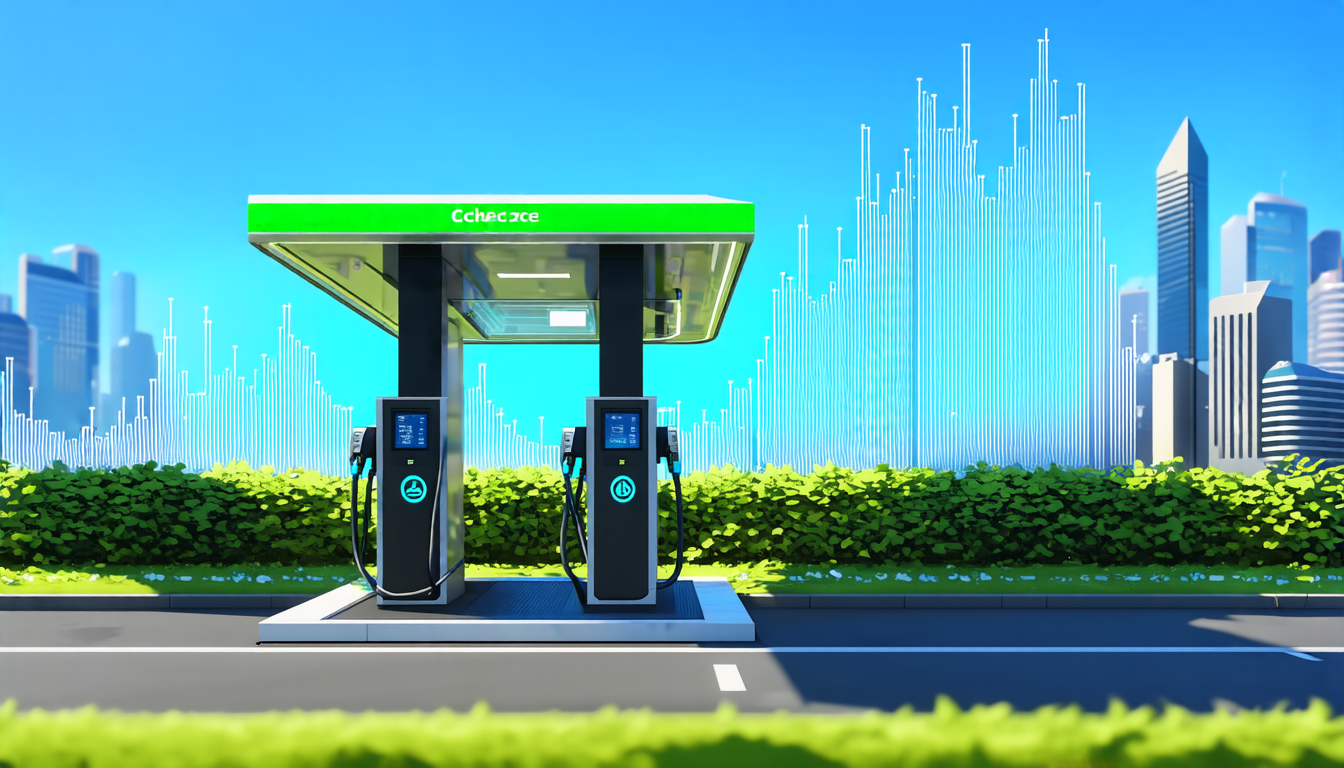
A team of researchers has developed a new method for managing electric vehicle (EV) charging stations, using a combination of artificial intelligence and machine learning algorithms. The system aims to balance the demand for electricity at these stations, ensuring that there is enough power available to meet the needs of EV owners while also preventing overloads that could lead to brownouts or blackouts.
The researchers used a dataset from Shenzhen, China, which contains information on the location and usage patterns of EV charging stations in the city. They then applied machine learning algorithms to analyze this data and identify patterns that could be used to predict demand for electricity at these stations.
One key challenge facing EV charging station operators is managing peak demand periods, such as rush hour or weekends when many people are away from home and relying on their cars for transportation. The system developed by the researchers uses a type of machine learning algorithm called a graph neural network (GNN) to predict demand during these periods and adjust pricing accordingly.
The GNN works by analyzing the data collected from the EV charging stations, including information on the number of vehicles using each station, the amount of electricity being used, and the time of day. This information is then used to create a graph that represents the relationships between different stations and the patterns in their usage.
The system also uses a type of artificial intelligence called reinforcement learning (RL) to adjust pricing based on demand. RL is an iterative process where the algorithm learns from its mistakes and adjusts its behavior accordingly. In this case, the RL algorithm is trained to optimize pricing decisions by minimizing penalties for overload and underutilization.
The researchers tested their system using a simulation of real-world data and found that it was able to balance demand effectively, reducing peak demand periods by up to 20%. They also found that the system was able to prevent overloads and maintain a stable supply of electricity.
This new method has the potential to revolutionize the way EV charging stations are managed, allowing operators to provide better service to their customers while also reducing the risk of power outages. As the use of electric vehicles continues to grow, finding ways to manage demand effectively will be crucial for ensuring that the grid can meet the needs of these vehicles.
The system developed by the researchers is just one example of how artificial intelligence and machine learning algorithms are being used to solve complex problems in energy management.
Cite this article: “Balancing Electric Vehicle Charging Demands with Reinforcement Learning: A Graph-Based Approach to Optimizing Network Efficiency”, The Science Archive, 2025.
Electric Vehicle, Charging Station, Artificial Intelligence, Machine Learning, Graph Neural Network, Reinforcement Learning, Energy Management, Demand Prediction, Peak Load Management, Grid Stability





