

Tuesday 08 April 2025
A new approach to federated learning, a technique that enables multiple devices or systems to collaborate on complex tasks without sharing their individual data, has been developed by researchers. The innovation could lead to significant improvements in various fields, including healthcare, finance and transportation.
Federated learning is particularly useful when dealing with large amounts of sensitive information. By allowing each device to learn from its own local data, the need for centralised storage and processing is eliminated, reducing the risk of data breaches. However, this approach can be challenging due to the diverse nature of the devices involved. Each device may have a unique set of features or constraints that require tailored solutions.
The researchers have developed a framework that addresses these challenges by incorporating mobility-aware and multi-task capabilities into federated learning. The system is designed to dynamically allocate resources and adapt to changing conditions, ensuring efficient training and improved performance.
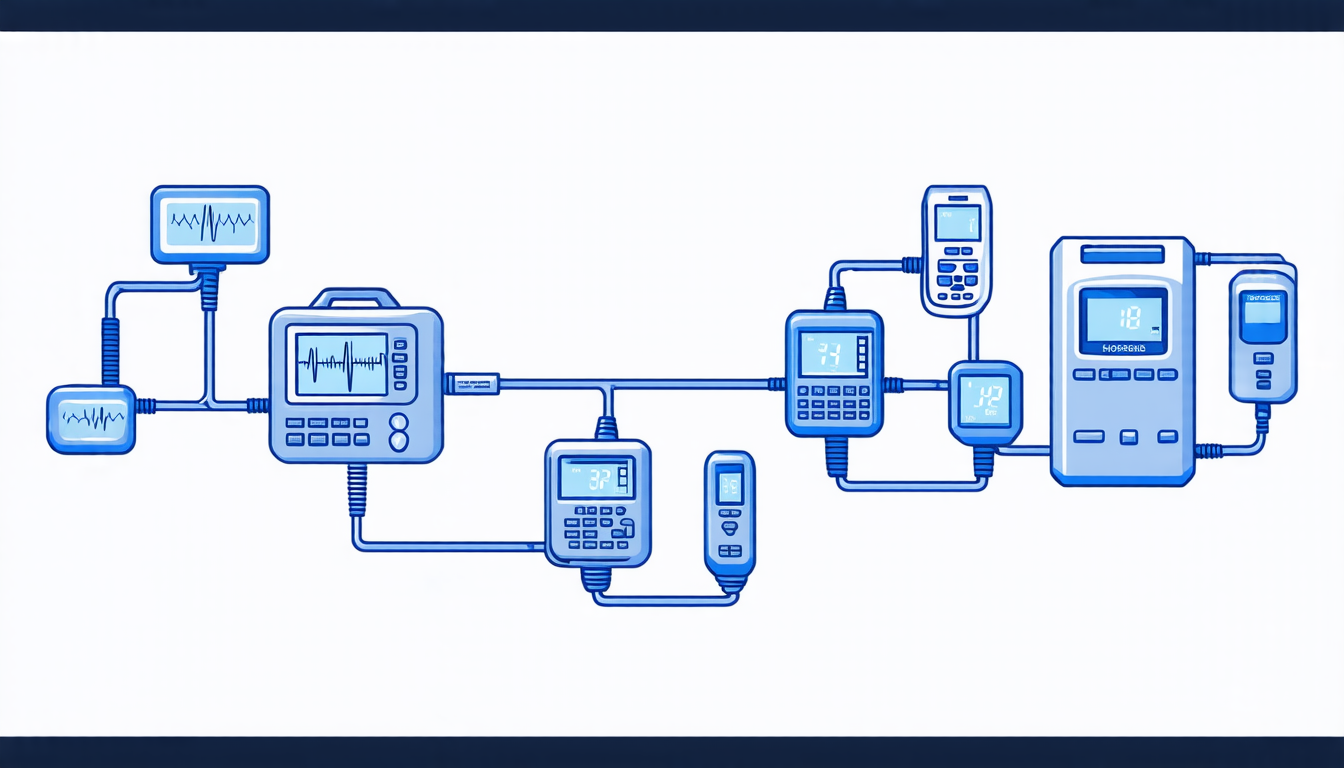
One of the key advantages of this approach is its ability to handle complex tasks involving multiple devices or systems. For example, in a healthcare setting, multiple medical devices could be connected to share data and learn from each other, leading to more accurate diagnoses and treatments.
The researchers have tested their framework using real-world datasets and simulated scenarios, demonstrating its effectiveness in improving model training and reducing communication costs. The results show that the system can achieve better performance than traditional federated learning methods, particularly when dealing with diverse devices or systems.
This innovation has far-reaching implications for various industries. In finance, it could enable secure and efficient transactions by allowing multiple financial institutions to share data and learn from each other. In transportation, it could improve traffic flow and reduce congestion by analyzing data from multiple sensors and devices.
The development of this framework is a significant step forward in the field of federated learning. As the world becomes increasingly reliant on connected devices and systems, the need for secure and efficient collaboration will only continue to grow. This innovation has the potential to revolutionize various industries and improve our daily lives.
The researchers plan to further refine their framework and explore its applications in different fields. With continued advancements, it is likely that we will see widespread adoption of this technology, leading to significant improvements in various areas of life.
Cite this article: “Unlocking the Power of Federated Learning in Vehicular Networks: A Novel Multi-Agent Approach”, The Science Archive, 2025.
Federated Learning, Artificial Intelligence, Machine Learning, Data Security, Sensitive Information, Mobility-Aware, Multi-Task Capabilities, Resource Allocation, Complex Tasks, Distributed Systems.





