

Wednesday 09 April 2025
The latest advancements in artificial intelligence have given rise to a new generation of brain-computer interfaces (BCIs). These innovative devices aim to revolutionize the way we interact with technology, enabling individuals to control digital systems with mere thoughts.
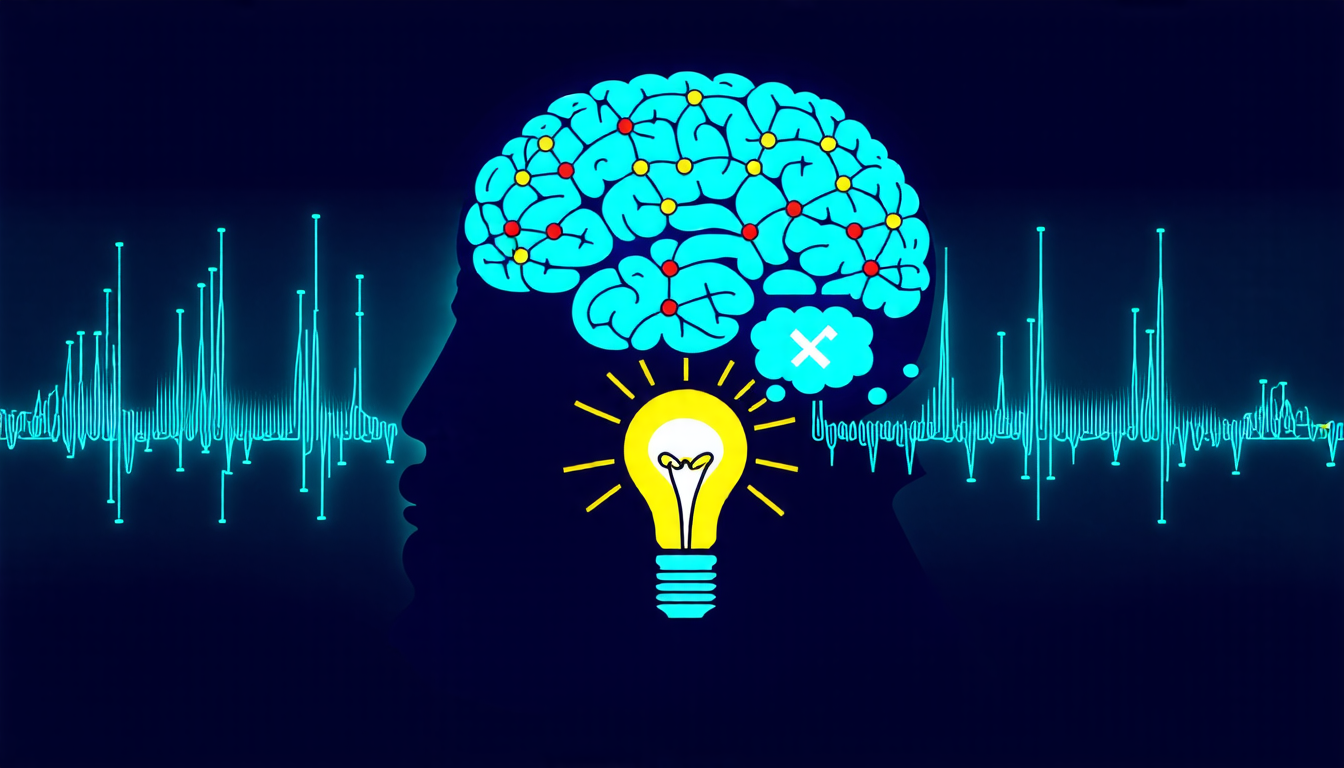
At the heart of BCIs lies a complex system that translates neural signals into commands. This process begins with electroencephalography (EEG), which records electrical activity in the brain. The EEG data is then analyzed using sophisticated algorithms to identify specific patterns and frequencies associated with various mental states, such as attention, engagement, or cognitive load.
The resulting insights can be used to adapt the user’s digital experience in real-time. For instance, an AI-powered chatbot could adjust its response style, complexity, and tone based on a learner’s level of engagement, ensuring a personalized educational journey.
One notable application of BCIs is NeuroChat, a neuroadaptive AI chatbot designed for customized learning experiences. By monitoring a user’s cognitive load, NeuroChat can dynamically adjust its responses to optimize understanding and engagement. This approach has been shown to enhance learning outcomes and improve overall user satisfaction.
Another area where BCIs are making waves is in the realm of education. A recent study demonstrated that students who used a BCI-enabled educational platform exhibited significantly higher levels of engagement and motivation compared to their peers who did not receive the same treatment. The findings suggest that BCIs have the potential to revolutionize the way we learn, making education more accessible, effective, and enjoyable.
Beyond education, BCIs are also being explored for their potential applications in healthcare and gaming. In healthcare, BCIs could be used to monitor patients’ mental states, providing valuable insights for diagnosis and treatment. In gaming, BCIs could enable players to control game elements with their thoughts, opening up new possibilities for immersive experiences.
While the technology is still in its early stages, it’s clear that BCIs have the potential to transform the way we interact with digital systems. As researchers continue to refine their methods and push the boundaries of what’s possible, we can expect to see even more innovative applications emerge.
In recent years, there has been a surge of interest in artificial intelligence (AI) and its various applications. From chatbots to virtual assistants, AI is changing the way we live, work, and communicate.
Cite this article: “Neuroadaptive AI Tutors: Unleashing Personalized Learning with Brain-Computer Interfaces”, The Science Archive, 2025.
Artificial Intelligence, Brain-Computer Interfaces, Electroencephalography, Neural Signals, Algorithms, Mental States, Cognitive Load, Neuroadaptive Ai, Chatbots, Education, Healthcare.





