

Wednesday 09 April 2025
In a major breakthrough for urban transportation, researchers have developed an innovative solution to optimize ride-pooling services in cities. The approach, dubbed FlexiPool, allows passengers to walk to nearby locations to meet vehicles, reducing congestion and increasing the number of served requests.
The team’s algorithm uses a combination of tree-based matching and regional route planning to identify the most efficient routes for picking up and dropping off passengers. This not only reduces travel time but also decreases the number of vehicles needed on the road, resulting in lower emissions and a more sustainable transportation system.
One of the key benefits of FlexiPool is its ability to adapt to changing circumstances in real-time. By incorporating dynamic assignment strategies and reinforcement learning techniques, the algorithm can adjust to unexpected events such as traffic congestion or last-minute cancellations.
The researchers tested their approach using real-world data from New York City’s yellow taxi fleet and found that it significantly outperformed existing solutions. In simulations, FlexiPool increased the number of served requests by up to 13% and reduced average travel distance by up to 21%.
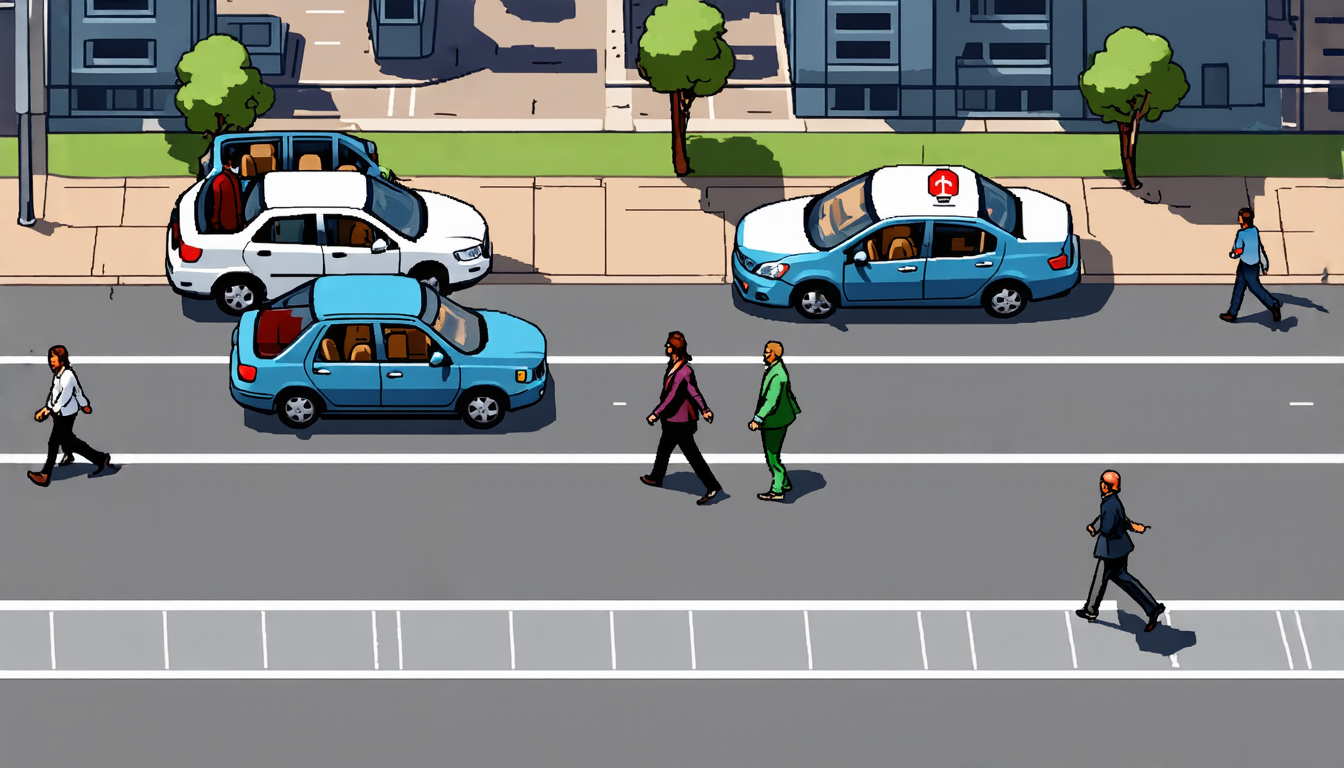
A key component of FlexiPool is its ability to incorporate passenger mobility into the assignment process. By allowing passengers to walk to nearby locations, the algorithm can create more efficient routes and reduce congestion. This not only benefits passengers but also reduces the environmental impact of ride-pooling services.
The team’s approach has potential applications beyond urban transportation. The algorithm could be used in other industries where dynamic routing is necessary, such as logistics or emergency medical services.
In addition to its technical innovations, FlexiPool also highlights the importance of incorporating human behavior into complex systems. By recognizing that passengers are willing and able to adjust their locations, the algorithm creates a more efficient and sustainable transportation system.
The researchers plan to continue refining their approach and exploring its potential applications. As cities grapple with the challenges of growing populations and increasing congestion, innovative solutions like FlexiPool could play a critical role in creating more efficient and sustainable transportation systems.
Cite this article: “Unlocking Efficient Ride-Pooling with Flexible Pickup and Drop-Off Points”, The Science Archive, 2025.
Ride-Pooling, Urban Transportation, Congestion Reduction, Sustainability, Algorithm, Real-Time Adaptation, Dynamic Assignment, Reinforcement Learning, New York City, Taxi Fleet





