

Wednesday 09 April 2025
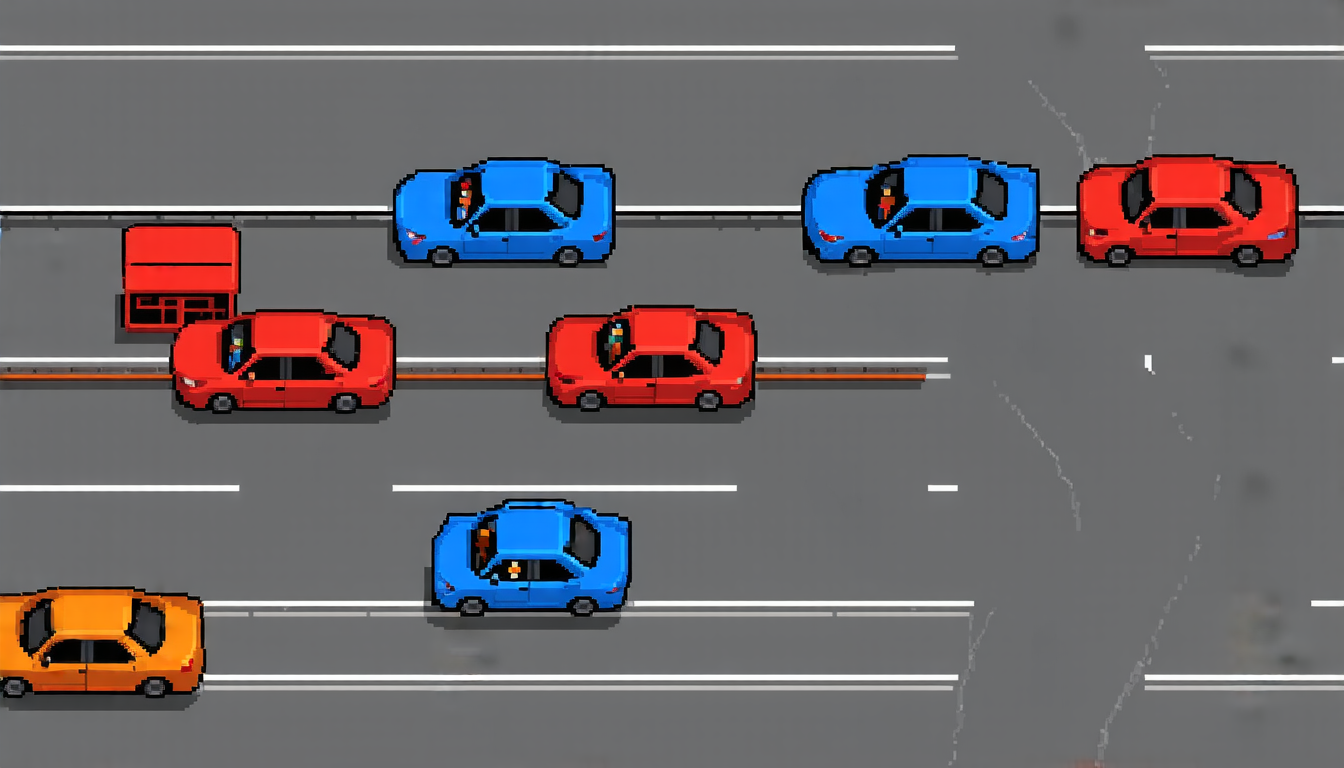
As we navigate the roads, our cars are constantly communicating with each other, exchanging information and coordinating their actions to avoid collisions and ensure a smooth flow of traffic. This cooperative driving is revolutionizing the way we think about transportation, making it safer and more efficient than ever before.
At the heart of this innovation is CoLMDriver, an autonomous vehicle system that uses artificial intelligence to facilitate complex negotiations between cars on the road. Developed by a team of researchers at Shanghai Jiao Tong University, CoLMDriver is designed to handle even the most challenging driving scenarios, from busy city streets to high-speed highways.
The key to CoLMDriver’s success lies in its ability to understand and interpret the intentions of other vehicles on the road. Using advanced computer vision and machine learning algorithms, the system can analyze visual data from cameras and LiDAR sensors to identify potential hazards and make informed decisions about speed and direction.
But CoLMDriver doesn’t stop there. The system also incorporates a sophisticated negotiation module that allows cars to communicate with each other in real-time, exchanging information about their intentions and adapting their actions accordingly. This enables vehicles to reach a consensus on the best course of action, even in situations where multiple cars are vying for the same space.
To test CoLMDriver’s capabilities, researchers created the InterDrive Benchmark, a simulated driving environment that mimics real-world traffic scenarios. The results were impressive: CoLMDriver outperformed existing autonomous vehicle systems by a significant margin, achieving an 11% higher success rate across diverse and challenging routes.
But what does this mean for the future of transportation? As CoLMDriver and similar systems become more widespread, we can expect to see a significant reduction in accidents and congestion. With cars working together like a well-oiled machine, we’ll be able to navigate even the busiest roads with ease and confidence.
Of course, there are still challenges to overcome before this technology becomes mainstream. For one thing, CoLMDriver requires extensive infrastructure upgrades to support its advanced communication systems. Additionally, there may be concerns about cybersecurity and data privacy as more cars become connected to the internet.
Despite these hurdles, the potential benefits of cooperative driving are too great to ignore. By working together, we can create a safer, more efficient, and more enjoyable transportation system for everyone.
Cite this article: “Cooperative Autonomous Driving through Large Language Models and Vision-Linguistic Fusion: A Novel Approach to Intelligent Vehicle Negotiation”, The Science Archive, 2025.
Autonomous Vehicles, Artificial Intelligence, Cooperative Driving, Colmdriver, Shanghai Jiao Tong University, Machine Learning, Computer Vision, Lidar Sensors, Negotiation Module, Interdrive Benchmark





