
Wednesday 09 April 2025
The relationship between heatwaves and mental health has been a topic of growing concern in recent years, particularly in regions prone to extreme temperatures. A new study published in the journal Nature Human Behaviour sheds light on this complex issue, providing insight into the impact of heatwaves on depression and anxiety.
Researchers analyzed data from over 27,000 individuals across India, using information from the World Health Organization’s (WHO) Study on Global Aging and Adult Health (SAGE) Waves 1-3. The study focused on the districts in which the District Mental Health Program (DMHP), a government initiative aimed at improving mental health services, was rolled out between 1996 and 2014.
The results suggest that heatwaves, defined as two or more consecutive days above 27°C (81°F), have a significant impact on depression and anxiety. In fact, the study found that individuals who experienced heatwaves were more likely to report severe depression and anxiety symptoms compared to those who did not experience heatwaves.
But what’s particularly interesting is that the effects of heatwaves varied depending on socioeconomic factors. For instance, the study found that low-income households were disproportionately affected by heatwaves, with a greater risk of developing depressive symptoms. In contrast, higher-income households seemed less susceptible to the negative impacts of heatwaves.
The researchers also explored the role of the DMHP in mitigating the adverse effects of heatwaves on mental health. They discovered that districts where the program was rolled out earlier saw a smaller increase in depression and anxiety symptoms compared to areas where the program was introduced later.
These findings have significant implications for public health policy, particularly in regions prone to extreme temperatures. By understanding the relationship between heatwaves and mental health, policymakers can develop targeted interventions aimed at protecting vulnerable populations.
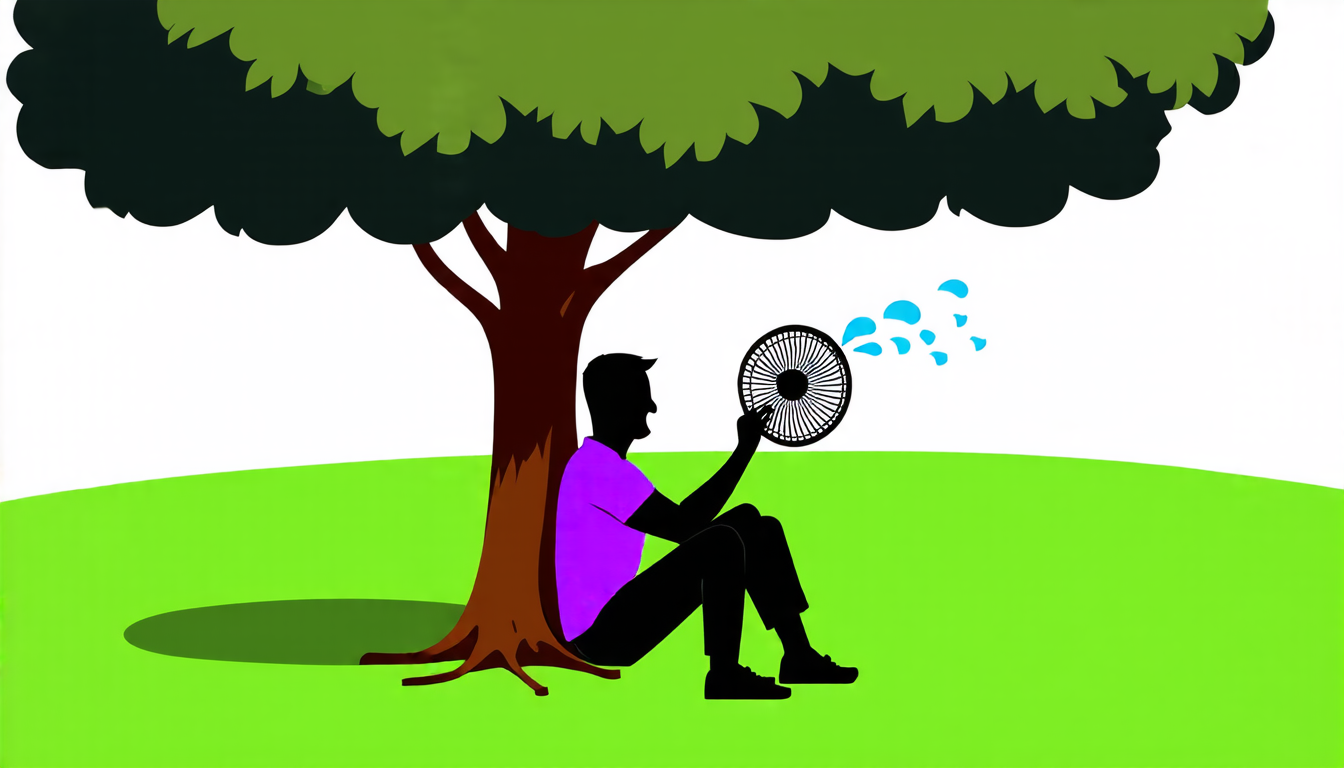
One potential strategy is to improve access to cooling measures, such as air conditioning or fans, which could help reduce the negative impacts of heatwaves on mental health. Another approach might involve increasing community support networks, particularly in low-income areas where social isolation may exacerbate the effects of heatwaves.
Ultimately, this study highlights the importance of considering the psychological toll of extreme weather events when developing public health strategies. By acknowledging the complex interplay between climate change, socioeconomic factors, and mental health, we can work towards creating more resilient communities that are better equipped to cope with the challenges posed by a changing environment.
Cite this article: “Scorching Mental Health: Heat Waves Linked to Significant Anxiety and Depression in Indian Populations”, The Science Archive, 2025.
Heatwaves, Mental Health, Depression, Anxiety, Climate Change, Public Health Policy, Socioeconomic Factors, India, World Health Organization, District Mental Health Program