

Wednesday 09 April 2025
Researchers have made significant progress in understanding the behavior of porous ceramics, a type of material that’s gaining popularity for its unique properties and potential applications. The latest findings, published in a recent paper, shed light on how these materials respond to compressive stress, providing valuable insights for engineers and scientists working with similar materials.
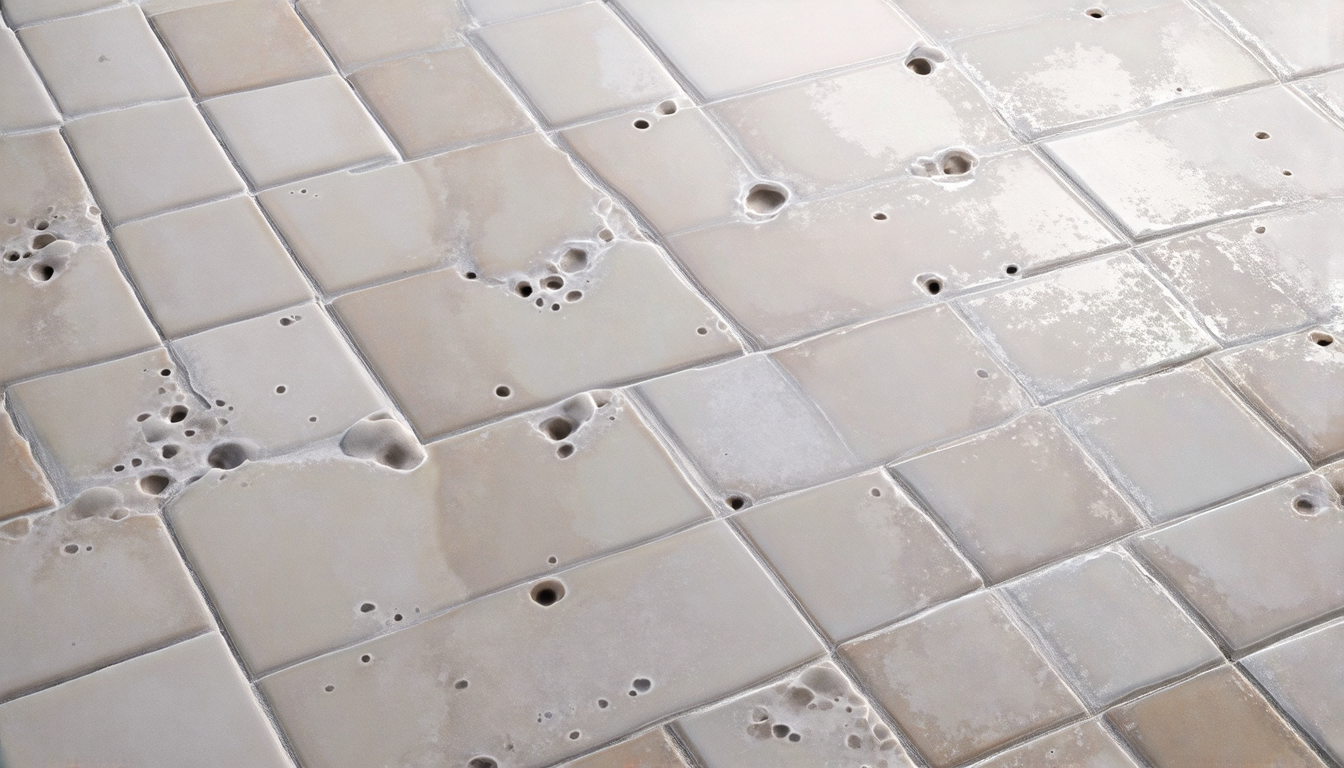
Porous ceramics are created by introducing air pockets or pores into a ceramic matrix. This process can be achieved through various methods, such as adding gases or particles to the ceramic mixture during manufacturing. The resulting material is incredibly lightweight, yet retains much of the strength and durability of its solid counterpart.
The researchers used a combination of computational modeling and experimental testing to study the behavior of porous ceramics under compression. They created artificial microstructures that mimicked real-world samples, allowing them to simulate various scenarios and test different parameters. The simulations were then validated against experimental data from actual materials, providing a high degree of accuracy.
One key finding was the discovery of two distinct modes of failure in porous ceramics. Below a certain volume fraction – roughly 0.5 – the material fails in a cellular manner, with damage propagating throughout the structure in a uniform pattern. Above this threshold, however, the behavior shifts dramatically, with failure occurring suddenly and abruptly due to localized stress concentrations.
This transition from cellular to brittle failure is critical for engineers, as it has significant implications for the design and application of porous ceramics. Understanding when and why this transition occurs can help optimize material properties and performance, ensuring that these materials are used in the most effective and efficient ways possible.
The researchers also explored the impact of sample size on compression behavior, finding that larger samples tend to exhibit less variability in their mechanical properties. This has important implications for scaling up production of porous ceramics, as it suggests that larger samples can be used to reduce material costs and improve consistency.
Overall, this study represents a significant step forward in our understanding of porous ceramics and their behavior under compression. By combining advanced computational modeling with experimental testing, researchers have gained valuable insights into the properties and performance of these unique materials. As engineers and scientists continue to explore the potential applications of porous ceramics, these findings will be essential for informing design decisions and optimizing material use.
Cite this article: “Unlocking the Secrets of Porous Ceramics: A Computational Study on Compression Failure Behavior”, The Science Archive, 2025.
Porous Ceramics, Compression Behavior, Computational Modeling, Experimental Testing, Microstructures, Failure Modes, Cellular Failure, Brittle Failure, Sample Size, Mechanical Properties





