

Thursday 10 April 2025
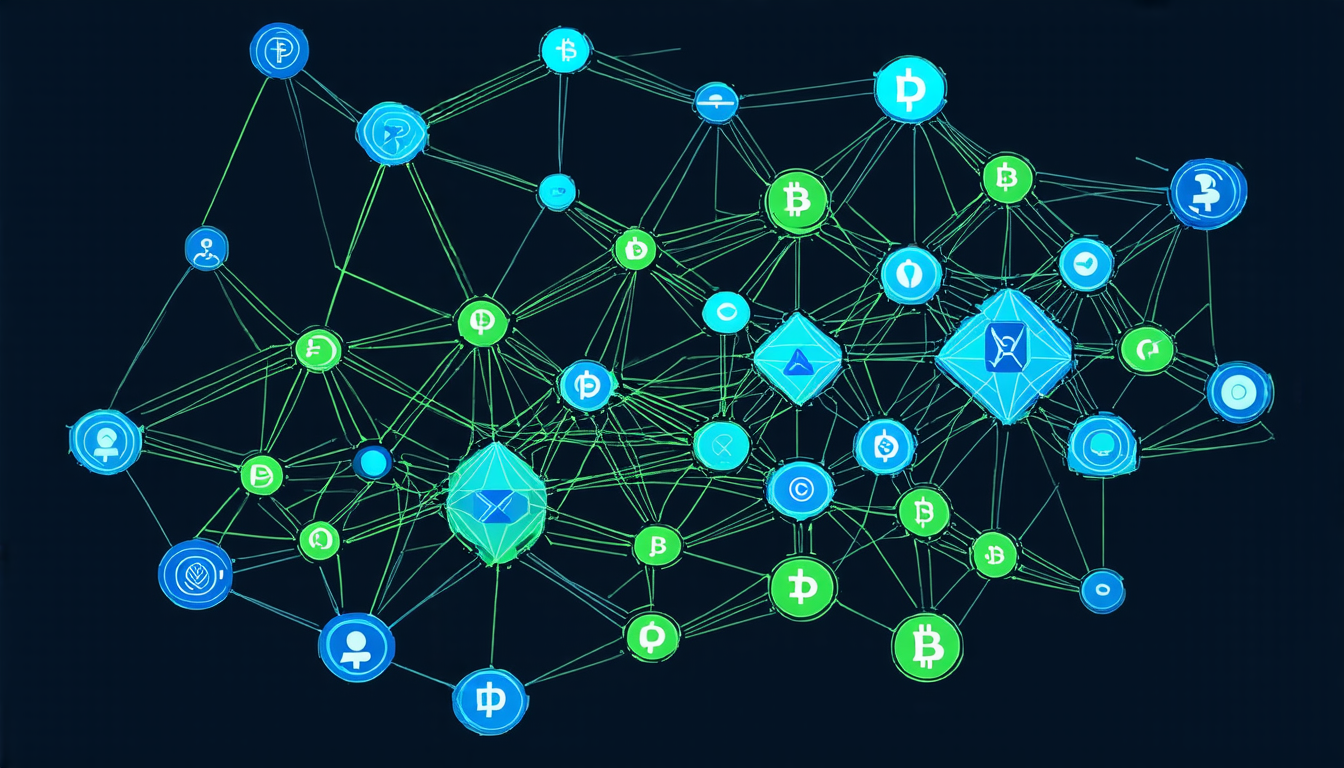
The mysterious world of cryptocurrency transactions has long fascinated enthusiasts and experts alike. With the rise of blockchain technology, the ability to track and analyze these transactions has become increasingly important for understanding the inner workings of digital currencies like Bitcoin. Recently, a team of researchers delved into this complex landscape, developing a novel approach to clustering addresses used in Cardano transactions.
Cardano, a decentralized platform that aims to improve upon the limitations of previous cryptocurrencies, employs an extended UTXO (Unspent Transaction Output) model to facilitate its operations. This unique framework presents a significant challenge for address clustering, as it requires identifying patterns and relationships between seemingly unrelated payment addresses. To tackle this issue, the researchers developed two heuristics that take advantage of Cardano’s specific features.
The first heuristic relies on the UTXO model itself, analyzing the input and output lists of transactions to identify common patterns. This approach is particularly effective in detecting clusters of related addresses, which can indicate a single entity or group of entities controlling multiple payment channels. The second heuristic focuses on the delegation mechanism used by Cardano’s Shelley protocol, where users can pledge additional stakes to a pool without registering an additional owner on the blockchain.
By combining these two heuristics, the researchers were able to create a robust and accurate address clustering algorithm that outperformed existing methods. Their approach not only identified clusters of related addresses but also detected superclusters – large groups of addresses controlled by a single entity or group of entities. These findings have significant implications for understanding the structure and behavior of Cardano’s network.
The researchers’ work paves the way for further analysis of cryptocurrency transactions, enabling developers to better comprehend the complex relationships between payment addresses and the entities behind them. This knowledge can be used to improve the security and scalability of blockchain networks, ultimately leading to more robust and reliable digital currencies.
One potential application of this research is in identifying and tracking fraudulent activities within the Cardano network. By analyzing clusters of related addresses, investigators could pinpoint suspicious transactions and trace their origins back to malicious actors. This would enable the development of more effective anti-money laundering measures and fraud detection systems.
The researchers’ novel approach has also shed light on the structure of Cardano’s network, revealing a complex web of relationships between payment addresses and entities. This newfound understanding can inform the design of future blockchain networks, allowing developers to create more resilient and efficient systems.
Cite this article: “Unveiling the Cardano Blockchain: Heuristic-Based Address Clustering Reveals Insights into Network Dynamics”, The Science Archive, 2025.
Cardano, Cryptocurrency, Transactions, Blockchain, Addresses, Clustering, Utxo Model, Heuristic, Shelley Protocol, Fraud Detection.





