

Monday 12 May 2025
Researchers have made a significant breakthrough in understanding individual subjectivity, which refers to the unique values and beliefs that shape an individual’s perspective on the world. By leveraging large language models, scientists have developed a framework that can accurately identify and categorize value conflicts and trade-offs in online comments.
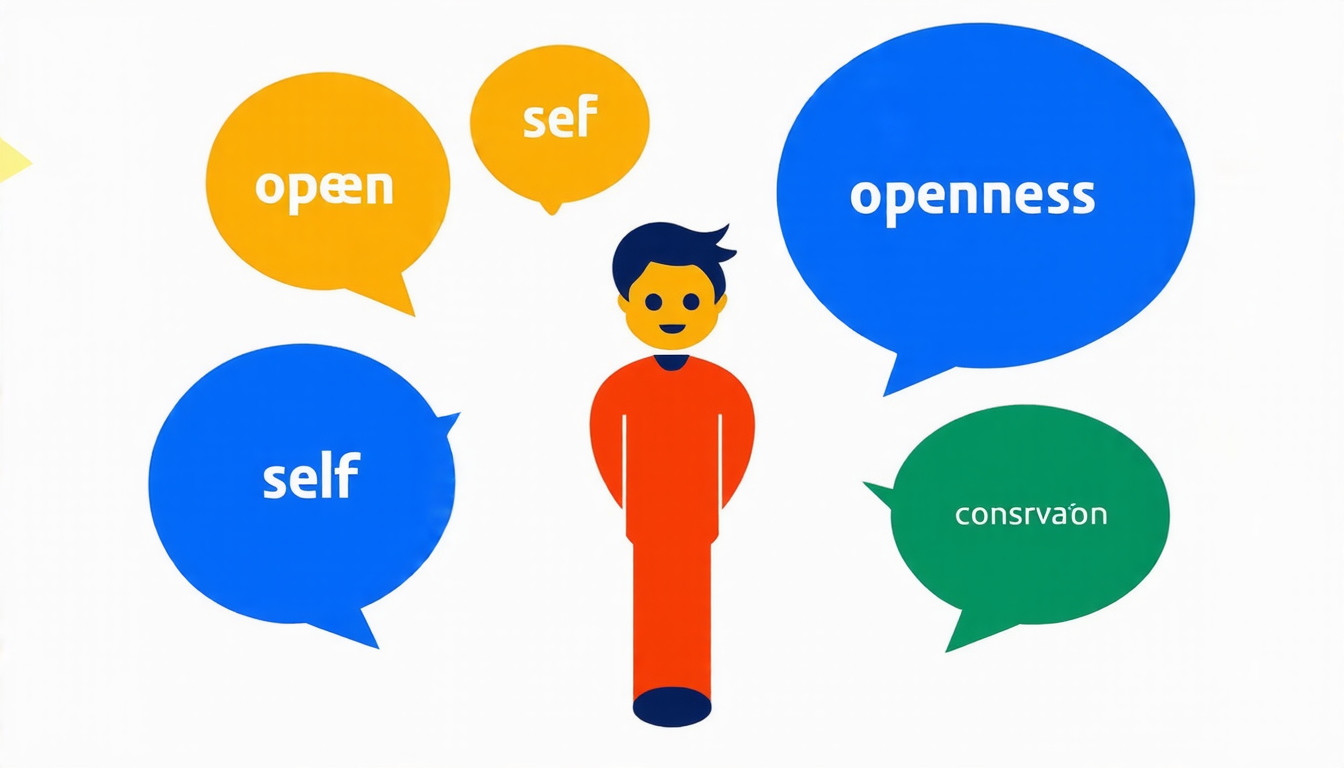
The study focuses on Schwartz’s Theory of Basic Human Values, which posits that human beings prioritize certain values over others when making decisions. These values are categorized into four broad dimensions: openness to change, self-enhancement, conservation, and self-transcendence. By analyzing online comments, researchers aimed to identify which values were most relevant in different contexts.
To achieve this, they employed a combination of natural language processing (NLP) techniques and machine learning algorithms. First, they trained a large language model to generate value representations from the comments. These representations were then reduced to lower dimensions using a technique called Uniform Manifold Approximation and Projection (UMAP).
The resulting embeddings were used as input for a clustering algorithm that identified patterns in the data. The researchers found that certain values were more likely to be associated with specific contexts, such as online discussions about politics or social issues.
To further analyze these findings, they developed a framework called SOLAR, which stands for Subjective GrOund with VaLue AbstRaction. SOLAR uses a combination of NLP and machine learning techniques to identify value conflicts and trade-offs in online comments. This involves generating text examples that illustrate specific values in action, as well as prompts that can be used to determine whether a given comment aligns with those values.
One of the key insights from this study is that individual subjectivity plays a significant role in shaping online discourse. By understanding which values are most relevant in different contexts, researchers can develop more effective strategies for mitigating conflicts and promoting constructive dialogue.
The potential applications of this research are vast. For instance, social media platforms could use SOLAR to identify and flag comments that violate community standards or promote hate speech. Alternatively, AI-powered moderation tools could be trained using the framework to detect and remove offensive content.
Furthermore, researchers believe that their findings could have implications for fields such as psychology, sociology, and education. By better understanding individual subjectivity, scientists may be able to develop more effective interventions aimed at promoting empathy, tolerance, and social cohesion.
Overall, this study represents a significant step forward in our understanding of online discourse and the role of individual subjectivity in shaping it.
Cite this article: “Decoding Individual Subjectivity: A Framework for Understanding Online Discourse”, The Science Archive, 2025.
Individual Subjectivity, Value Conflicts, Trade-Offs, Online Comments, Natural Language Processing, Machine Learning Algorithms, Schwartz’S Theory Of Basic Human Values, Open-Endedness, Self-Enhancement, Conservation, Self-Transcendence.





