

Thursday 24 July 2025
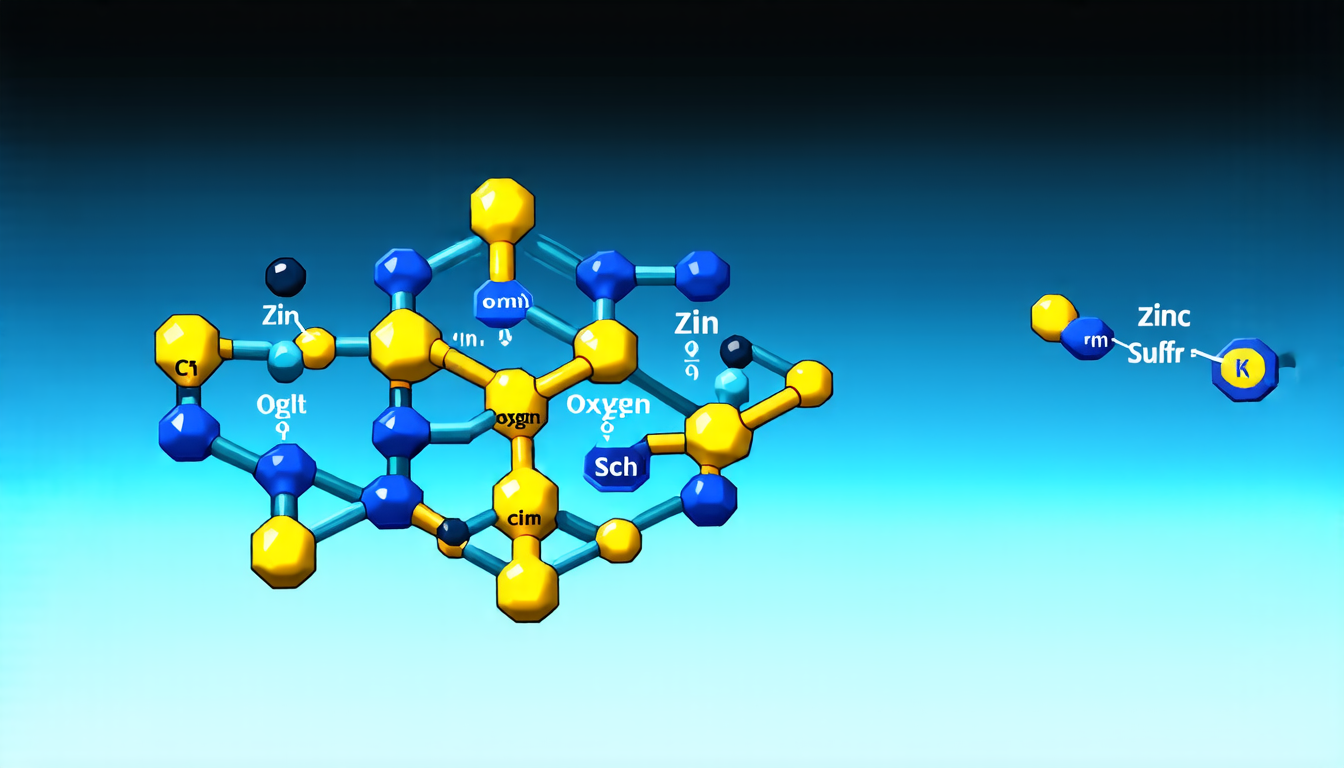
A team of scientists has made a breakthrough in creating a type-ii zinc oxide (ZnO) and zinc sulfide (ZnS) heterostructure, a crucial step towards developing more efficient photocatalysts for environmental remediation.
The researchers began by heating a ZnS single crystal in an oxygen-free atmosphere to create a stable interface with the ZnO. By combining X-ray photoelectron spectroscopy (XPS) and atomic force microscopy (AFM), they were able to study the electronic structure, morphology, and stability of this hybrid interface.
The team’s findings suggest that the formation of this heterostructure leads to a band-bending effect, where the binding energy of the core-level peaks shifts due to the creation of a hybrid ZnO/ZnS interface. This is significant because it indicates that the heterostructure can be used as a platform for catalyzing chemical reactions.
The researchers also observed the formation of ZnO/ZnS-like islands on the surface of the ZnS single crystal when exposed to an oxygen atmosphere. This suggests that the heterostructure has a strong influence on the morphology and electronic properties of the materials involved.
Furthermore, the team’s calculations suggest that the band offset between the ZnO and ZnS is suitable for photocatalytic applications, particularly in hydrogen and oxygen evolution reactions. This means that the heterostructure could be used as a catalyst to convert pollutants into harmless compounds, or even produce clean energy.
The development of this type-ii heterostructure has significant implications for environmental remediation and renewable energy. With further research, it may be possible to create more efficient photocatalysts using this technology, which could have a major impact on our ability to address climate change and improve air quality.
One of the key advantages of this approach is that it allows researchers to study the electronic structure and morphology of the heterostructure in detail. This has given scientists a better understanding of how the interface between the two materials affects their properties, which can inform the design of more efficient photocatalysts.
The team’s research is an important step towards developing new technologies for environmental remediation and renewable energy. By creating more efficient photocatalysts using this technology, we may be able to address some of the biggest challenges facing our planet today.
Cite this article: “Breaking Ground: A New Pathway for Efficient Photocatalysts in Environmental Remediation and Renewable Energy”, The Science Archive, 2025.
Zinc Oxide, Zinc Sulfide, Heterostructure, Photocatalysts, Environmental Remediation, Renewable Energy, X-Ray Photoelectron Spectroscopy, Atomic Force Microscopy, Band-Bending Effect, Photocatalytic Applications





