

Wednesday 19 November 2025
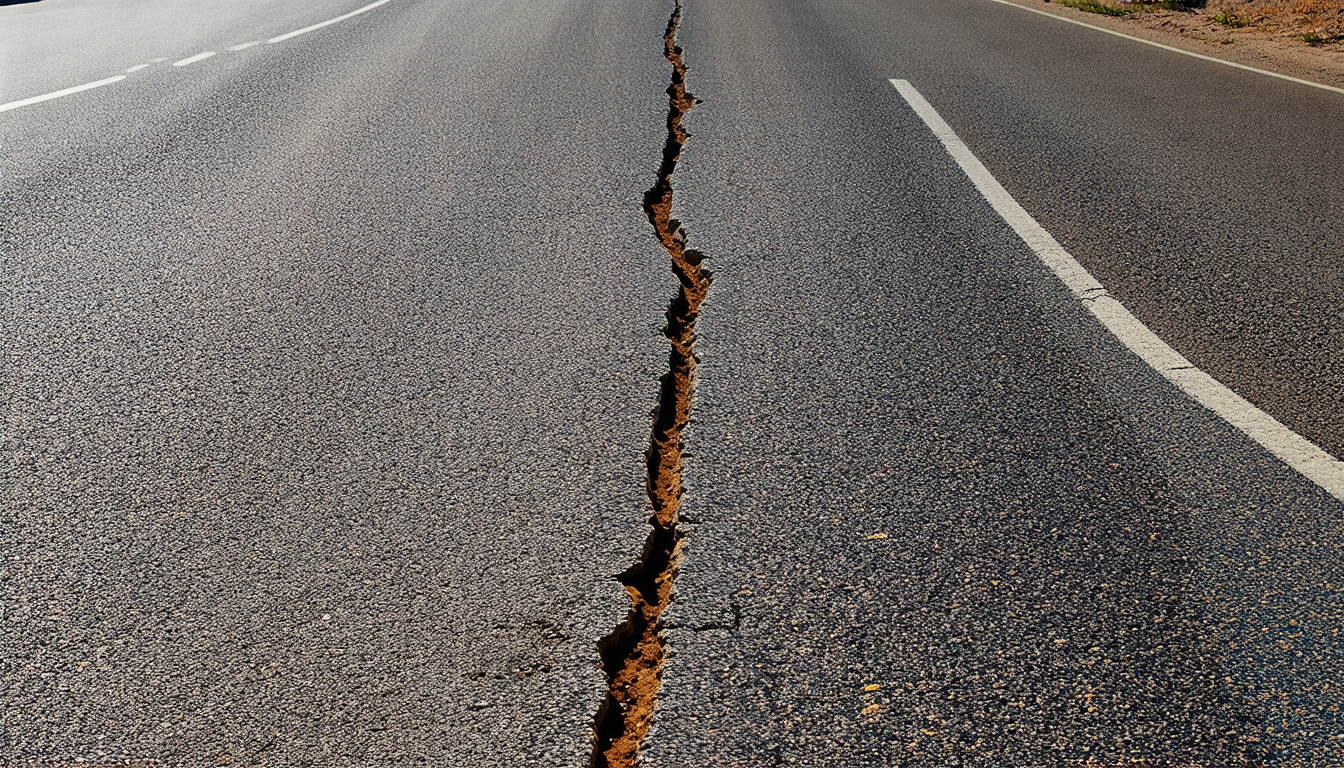
A team of researchers has made a significant breakthrough in developing an artificial intelligence system that can quickly and accurately identify defects in infrastructure, such as cracks in roads or pipes. This technology has the potential to revolutionize the way we maintain and repair our critical infrastructure.
The new system uses a type of machine learning called prototypical learning, which allows it to learn from just a few examples of what is normal and what is defective. This means that it can be trained on a small dataset and then used in real-world scenarios with minimal additional training. The system also incorporates attention mechanisms, which allow it to focus on specific parts of an image or video when analyzing defects.
One of the key challenges faced by the researchers was how to deal with the imbalance between normal and defective images in their dataset. They addressed this issue by using a technique called class-agnostic segmentation, which allows the system to learn from both types of images simultaneously.
The system has been tested on several datasets, including one containing images of culverts and sewer pipes. The results were impressive, with the system achieving high accuracy rates even when given only a few examples of defective images. This suggests that it could be used in real-world scenarios where there is limited data available.
The potential benefits of this technology are significant. It could allow for faster and more accurate identification of defects, reducing the time and cost associated with repairing them. It could also enable the use of machine learning algorithms to analyze large amounts of data from sensors and cameras installed on infrastructure, providing valuable insights into its condition.
The researchers believe that their system has the potential to be used in a wide range of applications beyond infrastructure inspection. For example, it could be used to identify defects in medical images or to analyze video footage from security cameras.
The development of this technology is an important step forward in the field of artificial intelligence and machine learning. It demonstrates the ability of these systems to learn from limited data and apply that knowledge in real-world scenarios. As the technology continues to evolve, it could have a significant impact on many different industries and areas of life.
Cite this article: “AI System Revolutionizes Infrastructure Inspection with Rapid Defect Detection”, The Science Archive, 2025.
Artificial Intelligence, Machine Learning, Infrastructure Inspection, Defect Detection, Prototypical Learning, Attention Mechanisms, Class-Agnostic Segmentation, Image Analysis, Video Analysis, Predictive Maintenance.





