

Friday 31 January 2025
In a significant breakthrough, researchers have developed a new approach that can improve medical image classification by combining multiple attention mechanisms. The technique, known as Dual Information Fusion Attention (DRIFA-Net), has been tested on various medical imaging datasets and outperformed existing methods.
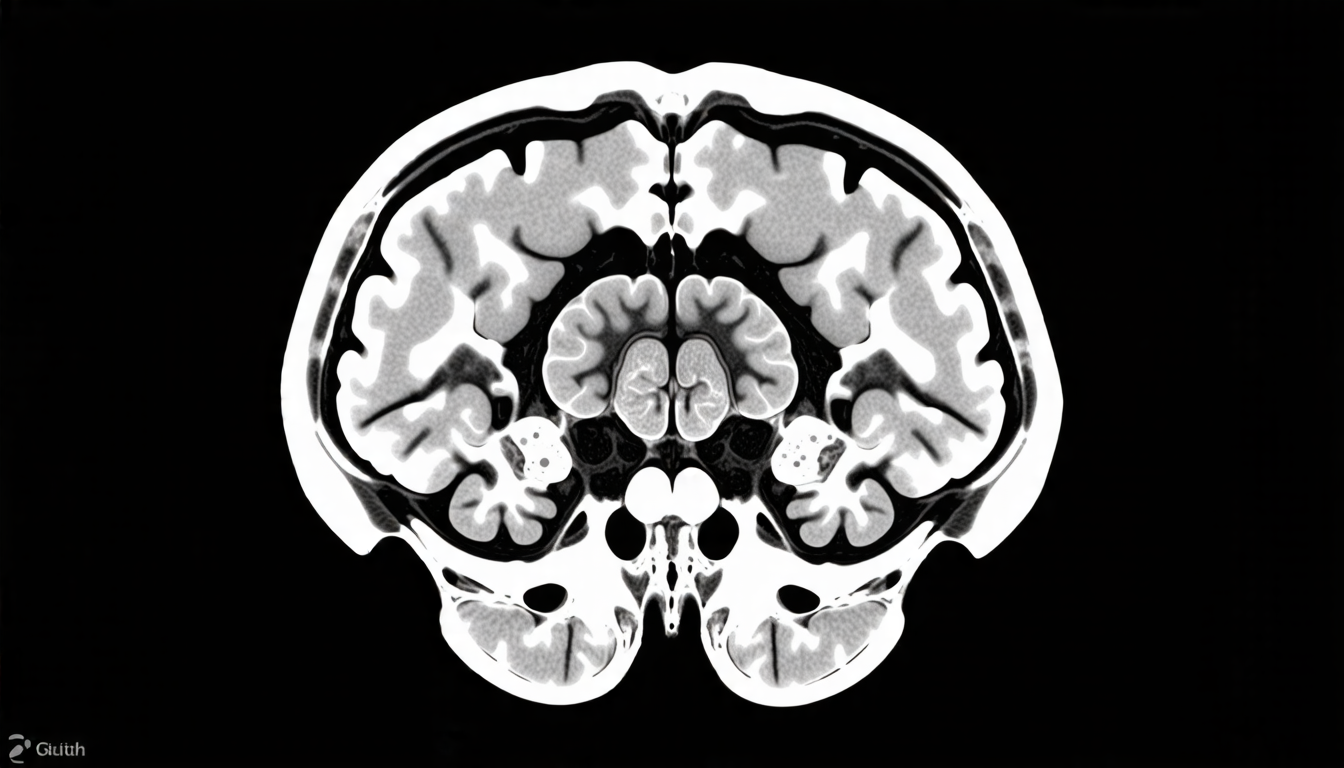
The key innovation of DRIFA-Net lies in its ability to learn diverse representations of images from different modalities, such as dermoscopy, MRI, and CT scans. This is achieved through a combination of two attention mechanisms: multi-branch fusion attention (MFA) and multimodal information fusion attention (MIFA).
The MFA module learns to focus on specific regions within an image that are relevant for classification, while the MIFA module combines features from multiple modalities to capture complex relationships between them. By combining these two modules, DRIFA-Net can learn robust representations of images that are more accurate and reliable.
In experiments, DRIFA-Net was tested on five medical imaging datasets, including skin cancer, cervical cancer, brain tumors, and lung cancer. The results showed significant improvements in accuracy, precision, recall, and F1-score compared to existing methods. For example, on the HAM10000 dataset for skin cancer classification, DRIFA-Net achieved an accuracy of 95.4%, outperforming other state-of-the-art methods.
One of the strengths of DRIFA-Net is its ability to adapt to different modalities and datasets. In experiments, the model was trained on a combination of dermoscopy images from the HAM10000 dataset and MRI images from the BraTS dataset, and it performed well on both datasets. This suggests that DRIFA-Net can be used as a general-purpose medical image classification tool.
The researchers behind DRIFA-Net also demonstrated the importance of uncertainty quantification in medical image classification. By incorporating an ensemble Monte Carlo dropout strategy into the model, they were able to provide more accurate and reliable predictions, even when dealing with noisy or incomplete data.
Overall, DRIFA-Net represents a significant advance in medical image classification, with potential applications in various areas of healthcare, including disease diagnosis, treatment planning, and patient monitoring. Its ability to adapt to different modalities and datasets makes it a promising tool for medical imaging researchers and clinicians.
Cite this article: “Medical Image Classification Enhanced by Dual Information Fusion Attention Mechanisms”, The Science Archive, 2025.
Medical Image Classification, Dual Information Fusion Attention, Drifa-Net, Attention Mechanisms, Multimodal Images, Skin Cancer, Cervical Cancer, Brain Tumors, Lung Cancer, Uncertainty Quantification





