
Saturday 01 February 2025
In a remarkable achievement, scientists have successfully used a deployed underground fiber optic cable to detect and locate pressure waves caused by hammer blows on the soil above. This innovative technology has significant implications for environmental monitoring, infrastructure protection, and even earthquake detection.
The researchers employed a coherent correlation optical time domain reflectometer (CC-OTDR) to interrogate the 8.4-kilometer-long fiber optic cable, which connects an office building with downtown Meiningen, Germany. By analyzing the phase variations of the backscattered light signal, they were able to pinpoint the location and speed of pressure waves generated by hammer impacts on the soil.
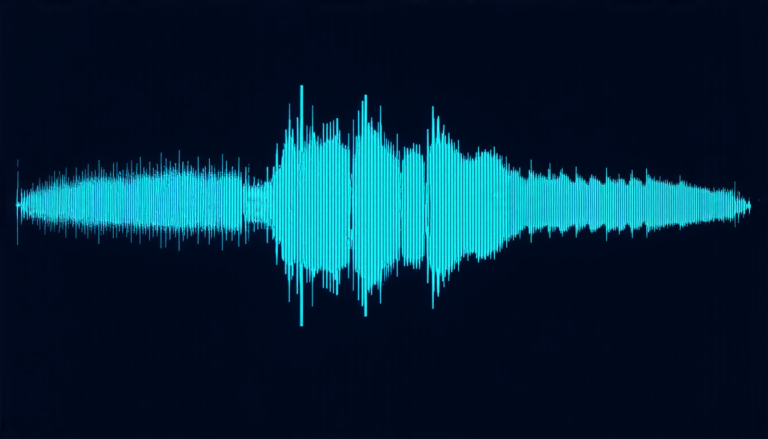
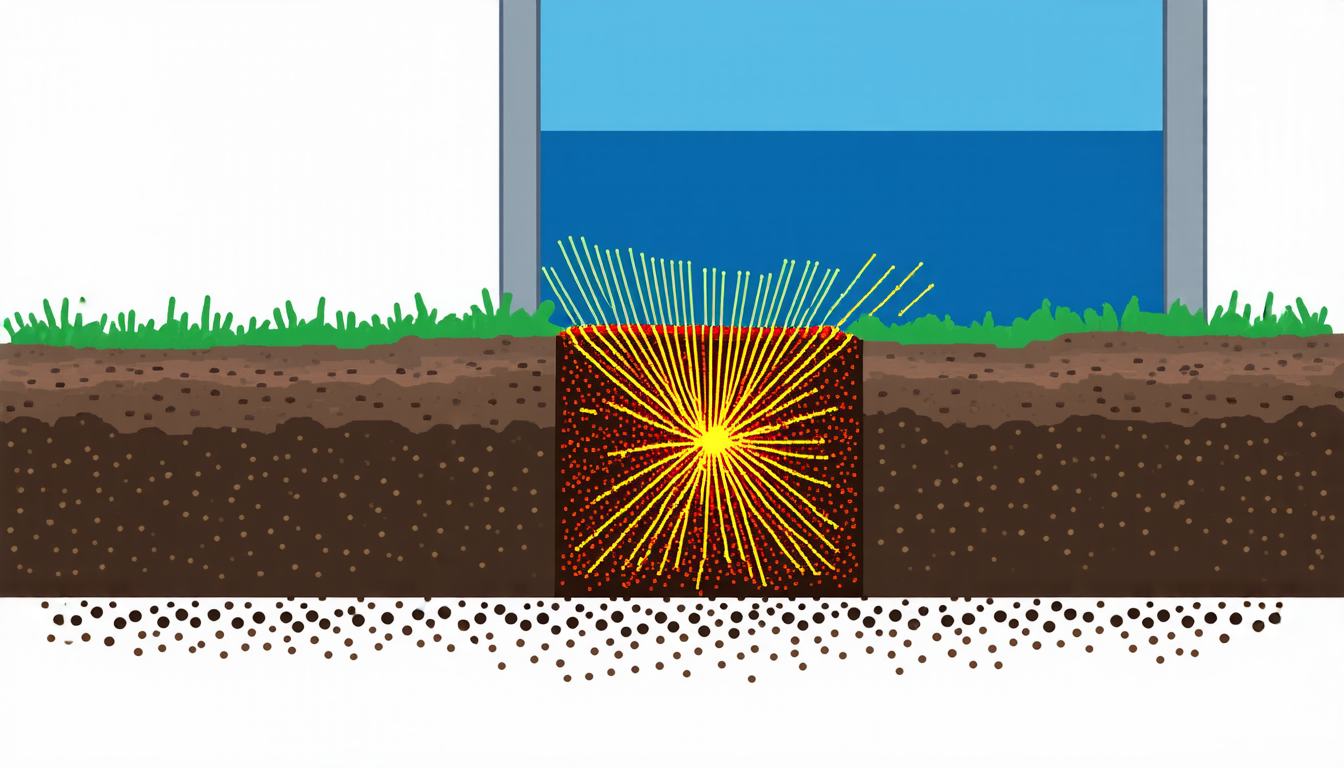
To test the system’s capabilities, the team applied two distinct hammer blows on the soil near the fiber optic cable. The resulting pressure waves traveled through the ground and affected different sections of the fiber at varying times. By analyzing the phase signals from each section, they were able to reconstruct the arrival times of the pressure waves and determine their location along the fiber.
The results showed that the pressure wave generated by the first hammer blow arrived at approximately 105 milliseconds after the impact, while the second blow’s pressure wave took around 370 milliseconds to reach the same point. By mapping these arrival times against the fiber section center locations, the researchers were able to pinpoint the location of the hammer impacts with high accuracy.
Furthermore, they measured the speed of the pressure waves traveling through the soil at approximately 433 meters per second – a value that can be used for future reference and comparison.
This innovative technology has significant potential applications in various fields. For instance, it could be used to monitor soil stability and detect potential hazards such as landslides or subsidence. It could also aid in earthquake detection and monitoring by analyzing the pressure waves generated by seismic activity.
The researchers hope that this breakthrough will pave the way for further development of distributed sensing technologies using deployed fiber optic cables. By leveraging existing infrastructure, they believe that these sensors can provide valuable insights into environmental conditions and help protect critical infrastructure.
Cite this article: “Pressure Waves Detected Through Fiber Optic Cable”, The Science Archive, 2025.
Fiber Optic Cable, Pressure Waves, Soil Monitoring, Earthquake Detection, Cc-Otdr, Phase Variations, Backscattered Light Signal, Hammer Blows, Distributed Sensing Technology, Environmental Monitoring.