

Saturday 01 February 2025
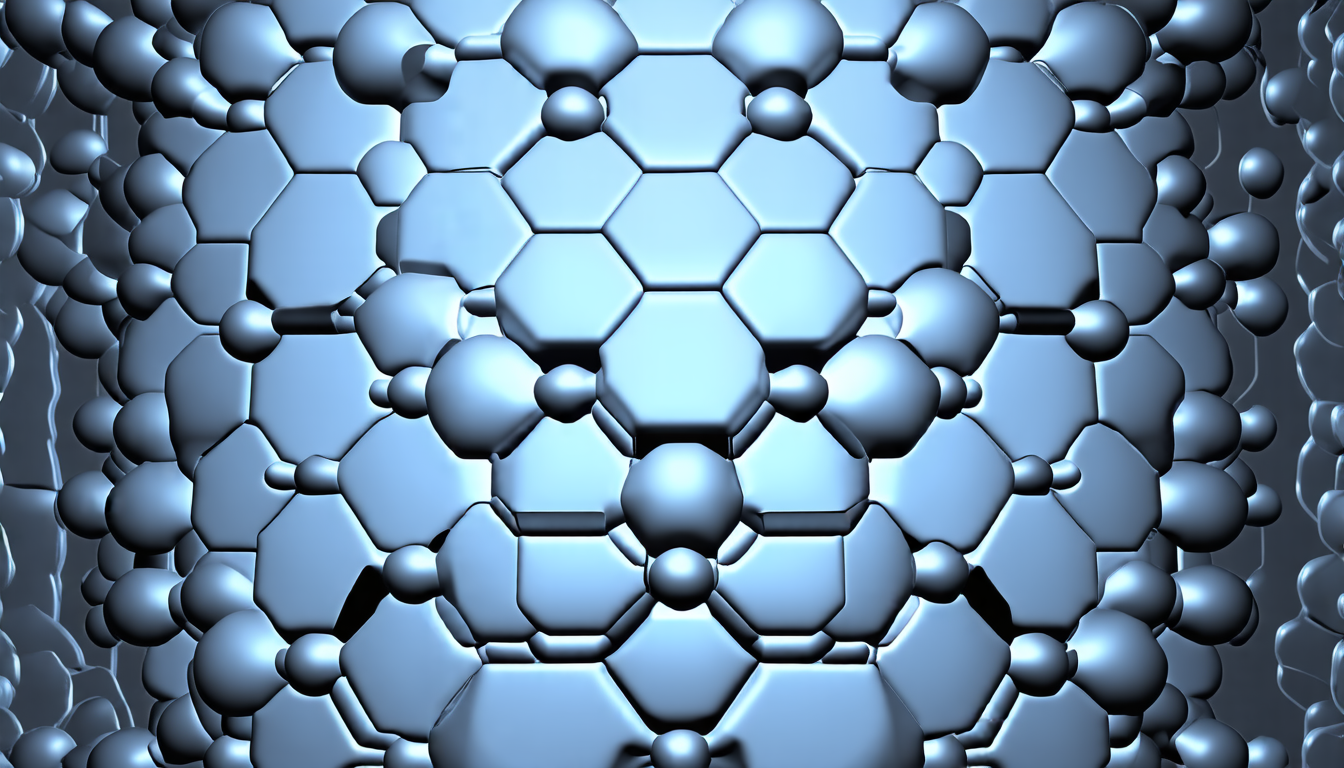
Scientists have made a fascinating discovery in the field of materials science, shedding light on the properties of graphene, a highly conductive material composed of carbon atoms arranged in a unique hexagonal structure. By carefully controlling the conditions under which graphene is grown, researchers have been able to create a new type of material that exhibits both the properties of graphene and those of heavy fermions, a class of materials characterized by their unusual electronic behavior.
Heavy fermion systems are typically found in exotic metals that exhibit unusual properties due to the presence of rare earth elements. These materials can display strange behaviors such as superconductivity at extremely low temperatures or the ability to conduct electricity without losing energy. The discovery of these properties has sparked intense interest among physicists and materials scientists, who seek to understand the underlying mechanisms that give rise to these phenomena.
In this latest study, researchers have successfully created a material that combines the benefits of graphene with those of heavy fermion systems. By growing graphene on a substrate made of tin, they were able to create a new type of material that exhibits both the high conductivity and flexibility of graphene as well as the unusual electronic properties characteristic of heavy fermions.
The study’s authors used advanced techniques such as scanning tunneling microscopy and electron diffraction to analyze the properties of their new material. These methods allowed them to visualize the arrangement of atoms on the surface of the material, revealing a complex pattern of hexagonal structures that are similar to those found in graphene.
The researchers also used theoretical models to simulate the behavior of electrons within the material. By analyzing these simulations, they were able to identify specific conditions under which the material’s electronic properties could be tailored to exhibit unique behaviors such as superconductivity or high-temperature conductivity.
The implications of this study are significant, as it opens up new possibilities for the development of advanced materials with unusual electronic properties. These materials could have a wide range of applications in fields such as electronics, energy storage, and medicine, where their ability to conduct electricity without losing energy could be harnessed to create more efficient devices.
In addition, this study provides valuable insights into the fundamental physics underlying the behavior of electrons within complex materials. By better understanding these mechanisms, researchers can develop new methods for tailoring the properties of materials to suit specific applications, leading to breakthroughs in a wide range of fields.
The discovery of this new material is just the latest example of the exciting advances being made in the field of materials science.
Cite this article: “Graphene-Heavy Fermion Hybrid Material Exhibits Unique Electronic Properties”, The Science Archive, 2025.
Graphene, Heavy Fermions, Materials Science, Carbon Atoms, Hexagonal Structure, Conductivity, Superconductivity, Electron Diffraction, Scanning Tunneling Microscopy, Theoretical Models





