
Saturday 01 February 2025
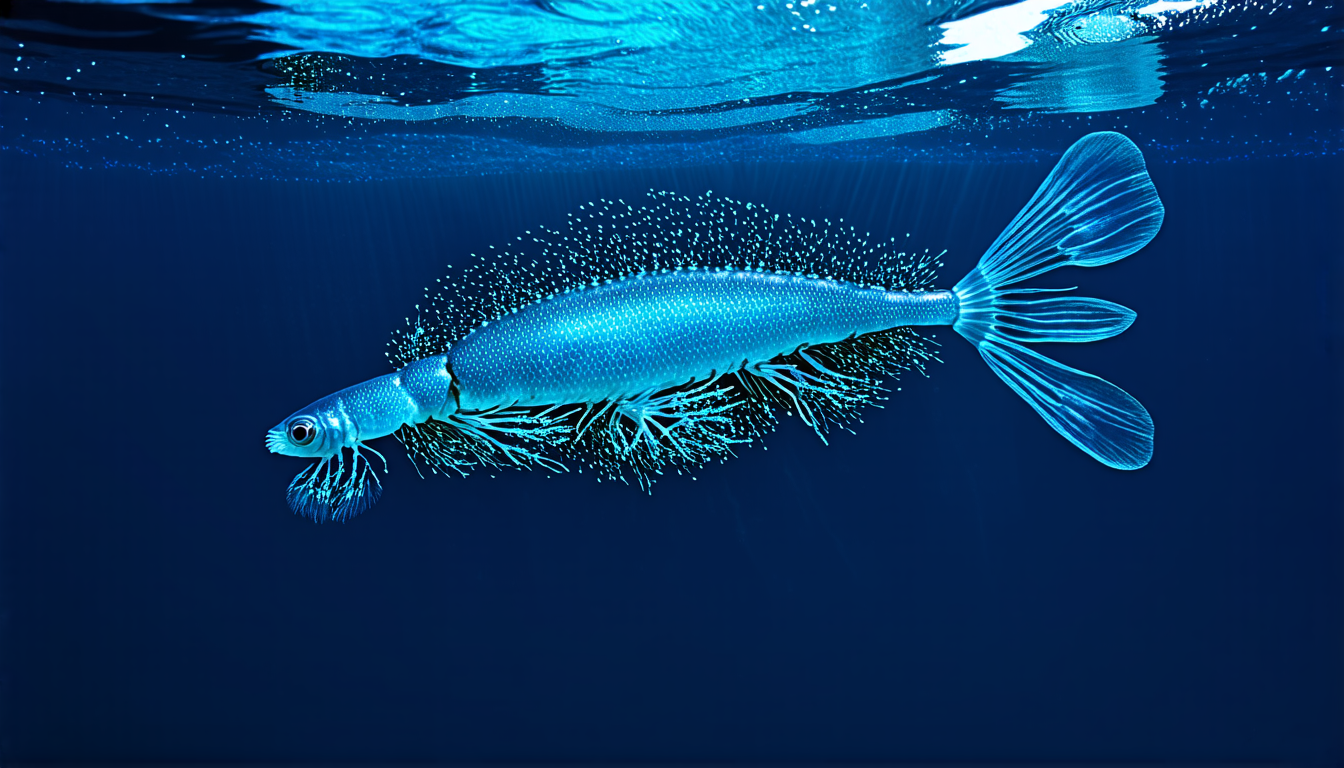
Scientists have been studying the Antarctic krill, tiny crustaceans that play a vital role in the ocean’s ecosystem, for decades. A new study published recently has shed light on the complex and dynamic nature of these creatures’ populations.
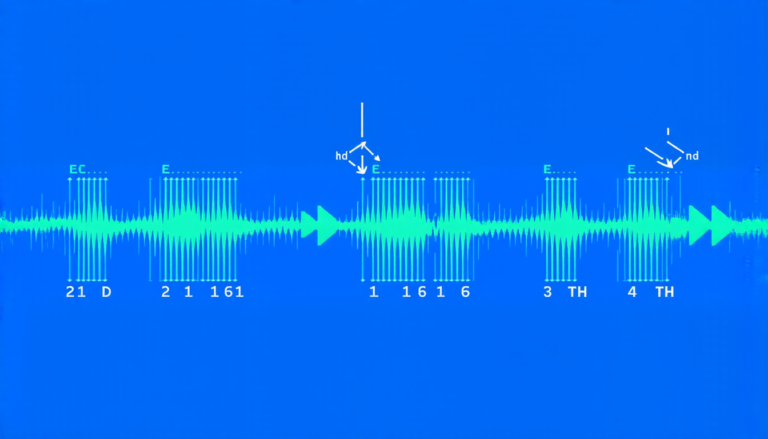
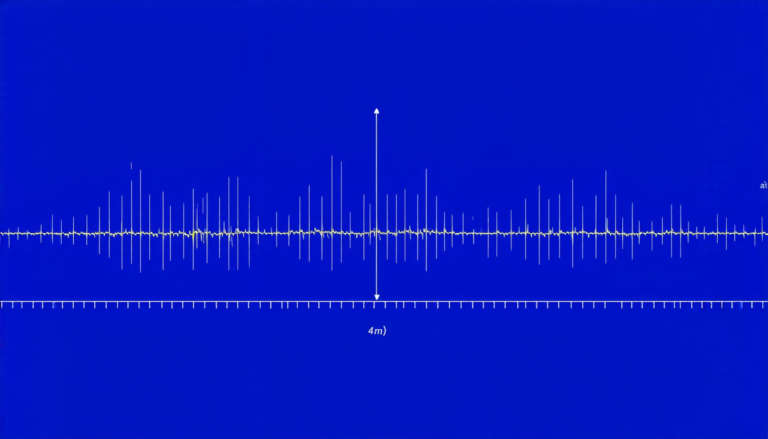
Krill are an essential food source for many marine animals, including whales, seals, and penguins. However, their numbers have been declining due to changes in ocean temperatures and chemistry caused by climate change. To better understand krill populations, researchers used a combination of acoustic surveys and satellite imagery to track the creatures’ movements and abundance.
The study found that krill are highly sensitive to changes in their environment, particularly temperature and salinity. They tend to congregate in areas with suitable conditions, such as near ocean ridges or at certain depths. The team also discovered that krill populations can fluctuate wildly over time, with some areas experiencing significant declines while others see increases.
To model these complex patterns, the researchers employed a novel statistical approach that incorporates spatial and temporal factors. They used a technique called integrated nested Laplace approximation (INLA) to analyze the data and identify key drivers of krill abundance.
One of the most interesting findings was the importance of ocean currents in shaping krill populations. The study revealed that certain current patterns can either enhance or hinder the growth of krill populations, depending on the location and time of year.
The researchers also explored alternative random effect structures to better understand the dynamics of krill populations. They found that a shared random effects model performed best, suggesting that there are underlying processes that drive changes in krill abundance across different areas.
Overall, this study provides valuable insights into the complex ecology of Antarctic krill and highlights the importance of considering both spatial and temporal factors when modeling population dynamics. The findings have significant implications for conservation efforts and our understanding of the impacts of climate change on marine ecosystems.
Cite this article: “Complexities of Antarctic Krill Populations Revealed Through Innovative Research”, The Science Archive, 2025.
Antarctic Krill, Ocean Temperatures, Climate Change, Satellite Imagery, Acoustic Surveys, Population Dynamics, Spatial Factors, Temporal Factors, Integrated Nested Laplace Approximation, Marine Ecosystems