

Saturday 01 February 2025
Detecting abnormalities in medical images is a crucial task for diagnosing and treating various diseases. In recent years, deep learning-based methods have shown promising results in this area, but they often struggle to generalize well to out-of-distribution (OOD) data. OOD data refers to images that are outside the training distribution, such as those with different lighting conditions or from a different patient population.
To address this challenge, researchers have proposed various OOD detection methods, which aim to identify whether an image is likely to be part of the training dataset or not. However, most existing methods focus on specific medical domains, such as skin lesions or retinal images, and may not generalize well to other domains.
In a recent study, scientists have developed a new method called Nearest Centroid Distance Difference (NCDD), which can detect OOD data in various medical image datasets. The NCDD method is designed to work with multi-class datasets, where each class represents a different anatomical landmark or disease.
The key idea behind NCDD is to calculate the distance between an input image and its nearest centroid, as well as the sum of distances to non-nearest centroids. This allows the model to capture the relative positioning of the image in feature space and distinguish it from OOD data.
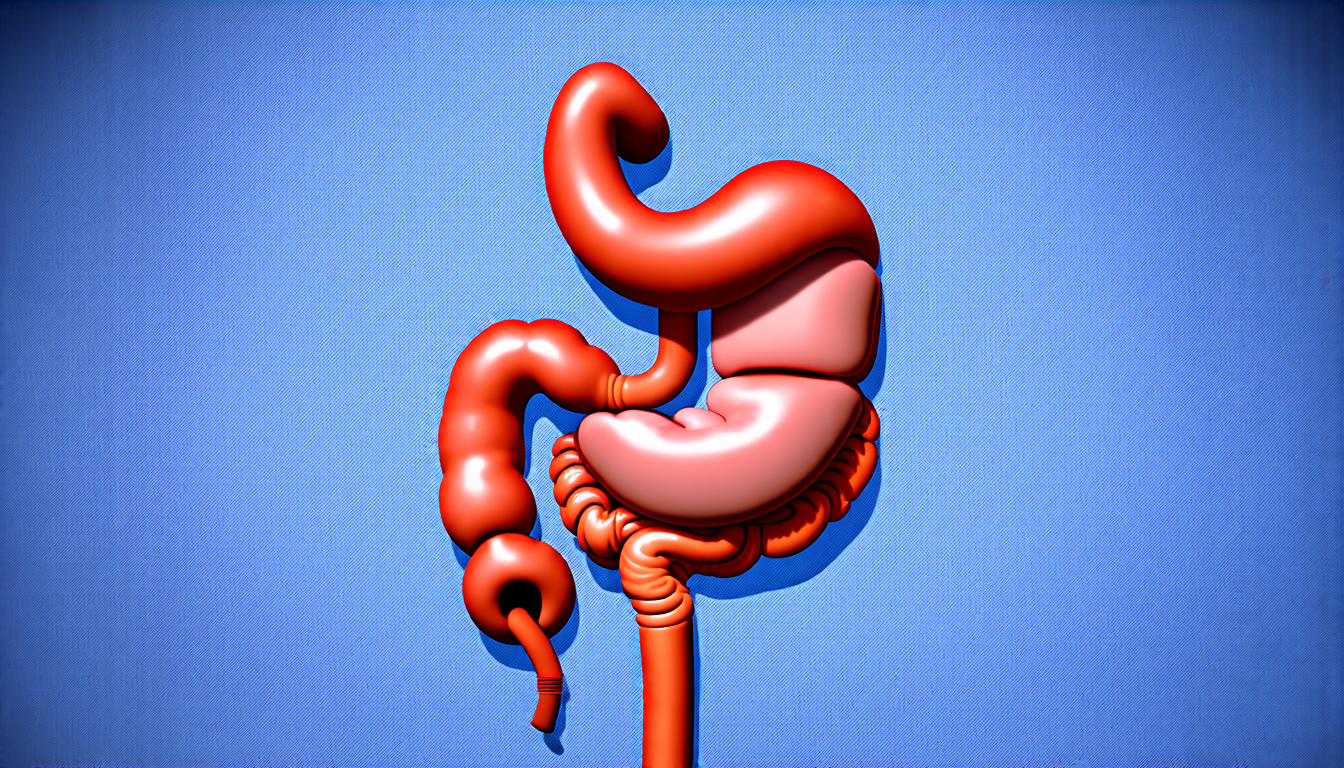
The researchers evaluated their method on two gastrointestinal endoscopy datasets, Kvasirv2 and Gastrovision, using four different neural network architectures: ResNet-18, ViT-Small, DeiT-base, and MLP-Mixer-small. They found that NCDD outperformed existing state-of-the-art OOD detection methods in terms of area under the receiver operating characteristic curve (AUC) and false positive rate at 95% (FPR95).
One of the strengths of NCDD is its ability to detect OOD data even when there is significant feature overlap between classes. For example, in one experiment, the model correctly identified images with severe gastrointestinal abnormalities as OOD, despite their similarity to normal images.
The researchers believe that NCDD has the potential to be a general-purpose tool for flagging abnormalities in medical images from various domains. This could lead to more accurate diagnoses and improved patient outcomes. However, further studies are needed to validate the method’s performance on other datasets and to explore its applications in real-world clinical settings.
In summary, the development of NCDD represents an important step towards improving OOD detection in medical imaging.
Cite this article: “Detecting Out-of-Distribution Data in Medical Images with Nearest Centroid Distance Difference”, The Science Archive, 2025.
Medical Images, Out-Of-Distribution Data, Deep Learning, Nearest Centroid Distance Difference, Ood Detection, Multi-Class Datasets, Gastrointestinal Endoscopy, Feature Space, Receiver Operating Characteristic Curve, Artificial Intelligence.





