
Saturday 01 February 2025
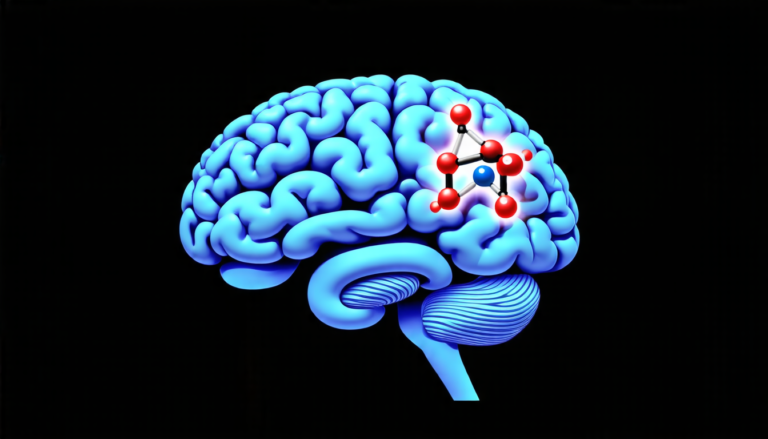
The intricate dance of neural signals in our brains is a complex and fascinating process that has long been studied by scientists. Recently, a team of researchers has made a significant breakthrough in understanding how our brain cells communicate with each other to produce the slow afterhyperpolarization (sAHP), a vital component of neural activity.
The sAHP is a phenomenon where neurons temporarily shut down their electrical activity after a burst of intense firing, allowing them to recover and recharge before resuming normal function. This process is crucial for maintaining the delicate balance between excitation and inhibition in our brains, which is essential for learning, memory, and cognitive function.
The researchers used advanced mathematical models and simulations to study the sAHP, focusing on the two main pathways involved: the Na+-K+ ATPase (NKA) and the K(Ca) channel. They discovered that both pathways are modulated by the energy level within the neuron, specifically the concentration of ATP and the free energy of ATP hydrolysis.
Their findings suggest that when the energy level is high, the NKA pathway dominates, leading to a stronger sAHP amplitude. However, when the energy level is low, the K(Ca) channel pathway takes over, resulting in a weaker sAHP amplitude. This trade-off mechanism allows neurons to maintain a relative stability of the sAHP amplitude despite fluctuations in energy levels.
The researchers also explored how these findings relate to aging and cognitive decline. They found that reduced ATP concentrations and increased calcium ion channel density, both common features of aged brains, can lead to an enlarged sAHP amplitude, potentially contributing to impaired neural function.
This study provides valuable insights into the intricate mechanisms underlying neural communication and highlights the critical role of energy metabolism in maintaining normal brain function. The findings have significant implications for our understanding of age-related cognitive decline and may lead to new therapeutic strategies for addressing this complex issue.
In a nutshell, the researchers have shed light on the dynamic interplay between energy levels and neural activity, revealing how our brain cells adapt to changing conditions to maintain optimal functioning. This knowledge can pave the way for a deeper understanding of the intricate workings of our brains and potentially lead to innovative treatments for neurological disorders.
Cite this article: “Unlocking the Secrets of Neural Communication: Energy Metabolisms Crucial Role in Brain Function”, The Science Archive, 2025.
Neural Activity, Slow Afterhyperpolarization, Sahp, Neural Communication, Energy Metabolism, Atp, Calcium Ion Channels, Aging, Cognitive Decline, Brain Function, Neuroscience.