

Saturday 01 February 2025
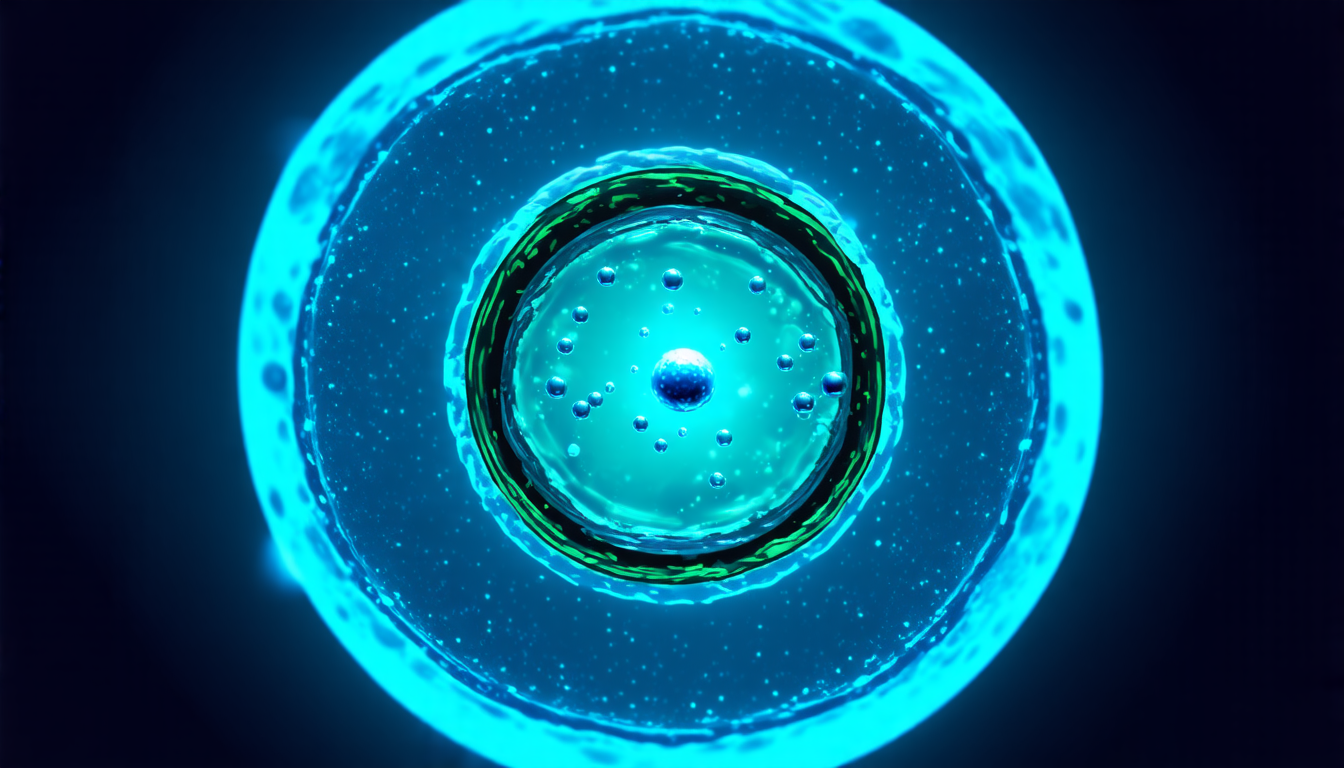
Researchers have made a breakthrough in developing a new method for delivering large molecules into cells, paving the way for more effective gene therapy and disease treatment. The technique uses a combination of light and nanotechnology to create micro-scale chambers that can be used to target specific cells or tissues.
The researchers created these tiny chambers using a type of polymer called polydimethylsiloxane (PDMS), which is commonly used in microfluidic devices. They mixed PDMS with carbon black particles, which are known for their ability to absorb light and convert it into heat. When the mixture was exposed to a laser beam, the carbon black particles heated up and expanded, creating a pressure difference that forced large molecules into the cells.
The researchers tested this technique using fluorescently labeled cargo molecules, such as FITC-dextran, which are commonly used in gene therapy studies. They found that by adjusting the concentration of the carbon black particles and the laser fluence, they could control the amount of cargo delivered to the cells.
One of the key advantages of this technique is its ability to deliver large molecules into cells without causing damage or stress. This is important because many gene therapy treatments rely on delivering large amounts of genetic material into cells, which can be challenging due to the size and complexity of these molecules.
The researchers also found that their technique was able to deliver cargo molecules into cells more efficiently than traditional methods, such as electroporation. Electroporation involves applying an electric current to a cell membrane, which creates temporary holes that allow large molecules to enter. However, this method can be damaging to the cells and may not be suitable for all types of cells.
The new technique has potential applications in a range of fields, including gene therapy, regenerative medicine, and cancer treatment. For example, it could be used to deliver genes or other therapeutic agents into stem cells, which are then used to repair damaged tissues. It could also be used to deliver targeted therapies directly to cancer cells.
The researchers plan to continue refining their technique and exploring its potential applications in the coming years. With further development, this technology could become a powerful tool for treating a range of diseases and improving human health.
Cite this article: “Light-Powered Nanotechnology Enables Efficient Gene Delivery into Cells”, The Science Archive, 2025.
Gene Therapy, Nanotechnology, Micro-Scale Chambers, Polydimethylsiloxane, Carbon Black Particles, Laser Beam, Fluorescently Labeled Cargo Molecules, Fitc-Dextran, Electroporation, Regenerative Medicine





