

Sunday 02 February 2025
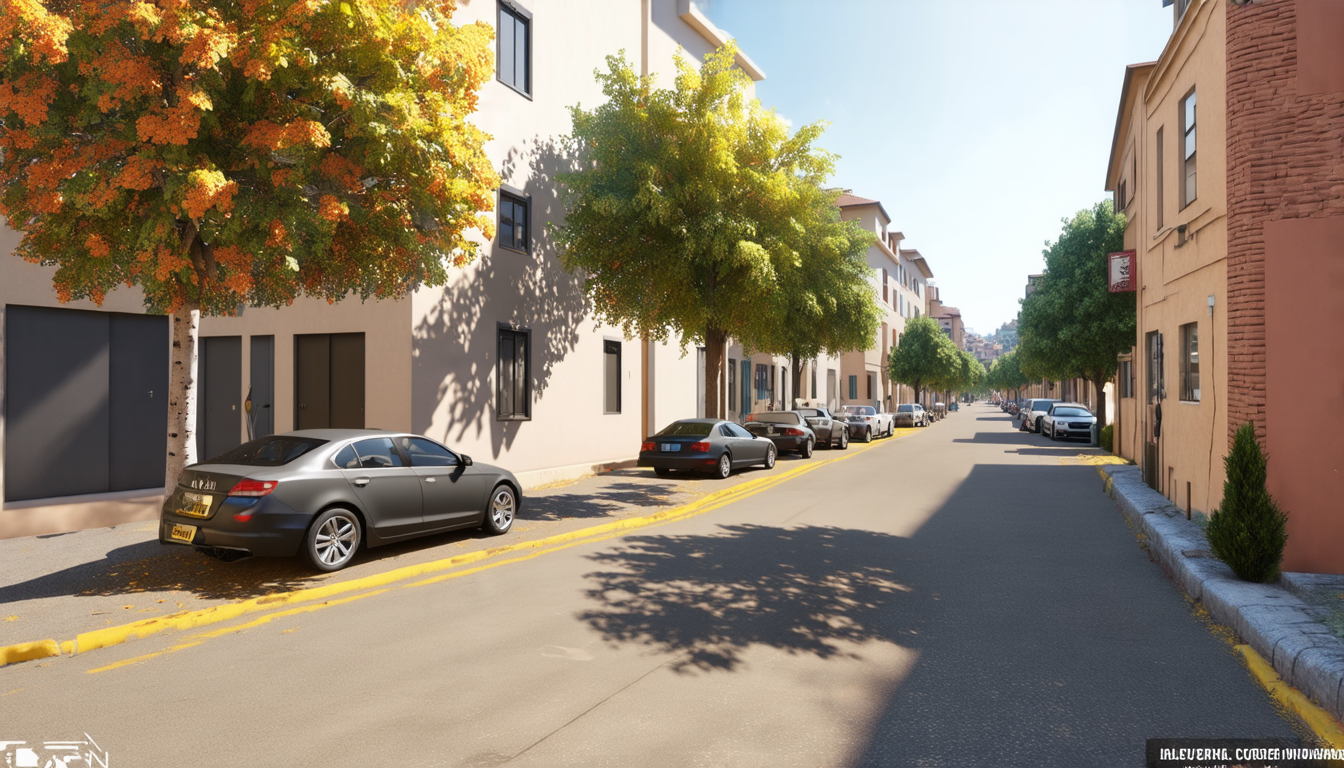
Shadows are a ubiquitous part of our daily lives, casting dark silhouettes on walls, streets, and buildings. However, when it comes to photography and computer vision, shadows can be a major nuisance, obscuring important details and making images difficult to understand. To tackle this problem, researchers have been working on developing algorithms that can effectively remove shadows from images.
One of the most promising approaches is called ShadowHack, a new framework that decouples images into luminance and color components, allowing for targeted processing to improve shadow removal. This approach has several advantages over traditional methods, which often rely on complex physical models or manual intervention.
Firstly, ShadowHack uses a novel rectified outreach attention mechanism, which allows the algorithm to focus on specific regions of the image and extract relevant features more accurately. This is particularly useful for images with complex shadows, where traditional methods may struggle to distinguish between shadow and non-shadow areas.
Secondly, ShadowHack incorporates a color restoration network, which is designed to correct and restore image colors that have been distorted by shadows. This is crucial for applications such as photography, where accurate color representation is essential.
Thirdly, the algorithm uses a mask refine network, which refines the mask used to separate shadows from non-shadows areas. This ensures that the algorithm is able to accurately identify and remove shadows, even in cases where they are complex or multi-colored.
The results of ShadowHack have been impressive, with the algorithm achieving state-of-the-art performance on several benchmark datasets. In addition, the authors demonstrate the robustness of their approach by testing it on images with varying levels of noise and corruption, as well as on images with different types of shadows.
One of the key benefits of ShadowHack is its ability to generalize across different image domains and shadow types. This means that the algorithm can be used for a wide range of applications, from photography and computer vision to robotics and autonomous vehicles.
In summary, ShadowHack is an innovative approach to shadow removal that combines advanced techniques in attention mechanisms, color restoration, and mask refinement. Its ability to accurately identify and remove shadows makes it a valuable tool for a variety of applications, and its robustness and generalizability make it well-suited for real-world use cases.
Cite this article: “ShadowHack: A Novel Framework for Effective Shadow Removal”, The Science Archive, 2025.
Image Processing, Shadow Removal, Computer Vision, Photography, Algorithm, Attention Mechanism, Color Restoration, Mask Refinement, Robotics, Autonomous Vehicles.





