
Sunday 02 February 2025
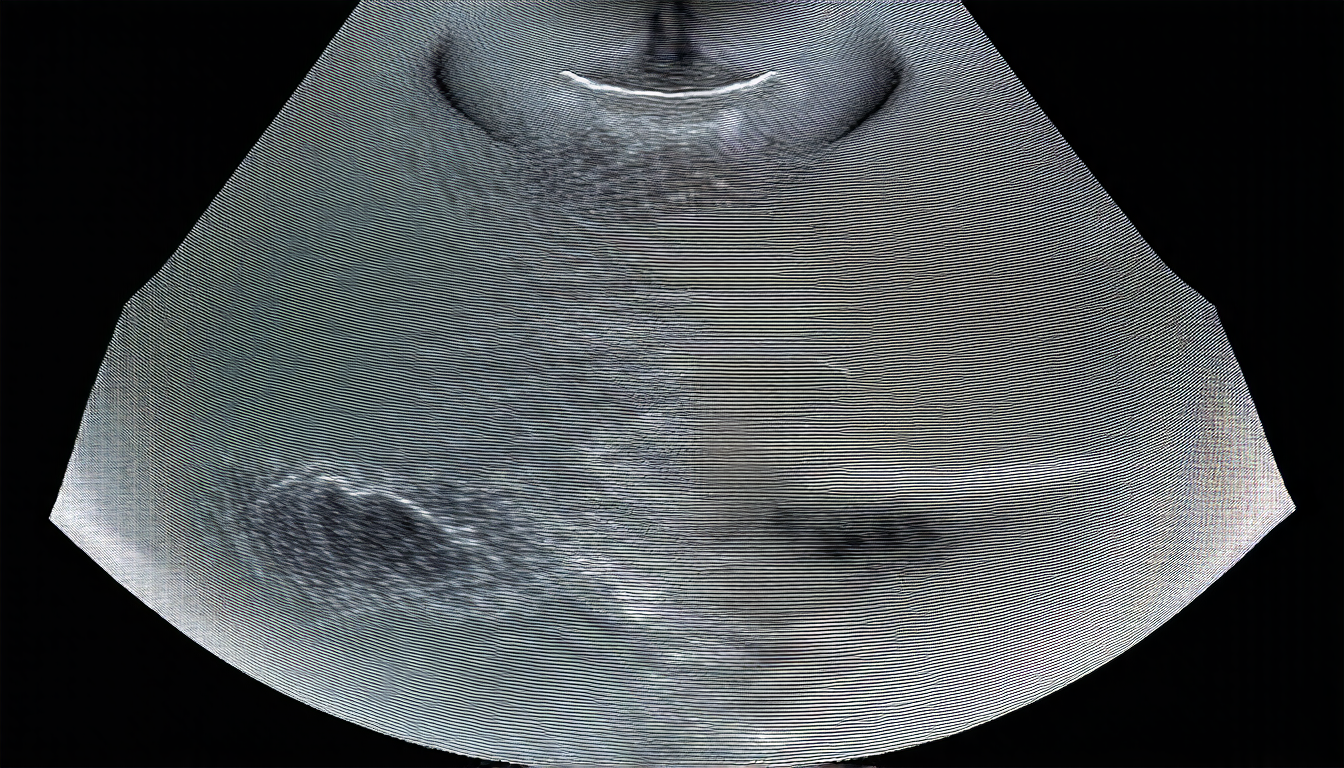
Researchers have made a significant breakthrough in developing an artificial intelligence model that can accurately predict breast cancer risk by analyzing mammography images. The new approach uses a novel combination of techniques, including attention-based multiple instance learning and temporal sensitivity, to analyze sequential mammogram images and identify subtle patterns that may indicate increased risk.
The model is trained on a large dataset of anonymized mammograms from thousands of women, including those who have developed breast cancer and those who have not. By analyzing the images, the AI can detect subtle changes in tissue density and structure that may indicate an increased risk of developing cancer.
One of the key innovations of the new approach is its ability to incorporate temporal information into the analysis. This allows the model to account for the timing of previous screenings and adjust the risk assessment accordingly. For example, if a woman has had several normal mammograms in the past but then develops a suspicious lesion on her current screening, the AI can take this information into account when calculating her breast cancer risk.
The researchers used a combination of machine learning algorithms to develop the new model, including attention-based multiple instance learning and temporal sensitivity. Attention-based multiple instance learning allows the model to focus on specific regions of interest in the mammogram images, such as areas with abnormal tissue density or structure. Temporal sensitivity enables the model to account for changes over time in the mammogram images.
The new approach has been tested on a large dataset of anonymized mammograms from thousands of women and has shown significant improvements in breast cancer risk prediction compared to existing models. The results suggest that the AI can accurately identify women who are at high risk of developing breast cancer, which could lead to earlier detection and treatment.
The researchers hope that their new approach will be used clinically in the near future to improve breast cancer screening and diagnosis. They also plan to continue refining the model and testing it on larger datasets to further improve its accuracy.
Overall, the development of this new AI model is an important step forward in the quest to improve breast cancer risk prediction and early detection. By analyzing sequential mammogram images and incorporating temporal information into the analysis, the model has shown significant improvements over existing approaches.
Cite this article: “AI Model Accurately Predicts Breast Cancer Risk from Mammography Images”, The Science Archive, 2025.
Breast Cancer, Artificial Intelligence, Mammography Images, Multiple Instance Learning, Temporal Sensitivity, Machine Learning Algorithms, Attention-Based, Breast Cancer Risk Prediction, Early Detection, Diagnosis.