

Tuesday 25 February 2025
Researchers have developed a new approach to creating synthetic medical images that could revolutionize the way doctors diagnose and treat diseases. The technique, known as physics-constrained synthetic data generation, uses machine learning algorithms to create high-quality images that mimic real-world medical scans.
The goal of this research is to address the limitations of current machine learning models in medical imaging, which often struggle to generalize well to new datasets or domains. By creating realistic synthetic images, researchers hope to enable more accurate and robust diagnosis, as well as improved treatment planning.
One of the key innovations of this approach is its use of physical laws and constraints to generate synthetic images. This means that the generated images are not only visually convincing but also adhere to the underlying physics of medical imaging. For example, the technique takes into account the way that different tissues absorb and scatter light, allowing it to create images that accurately reflect the structure and function of the body.
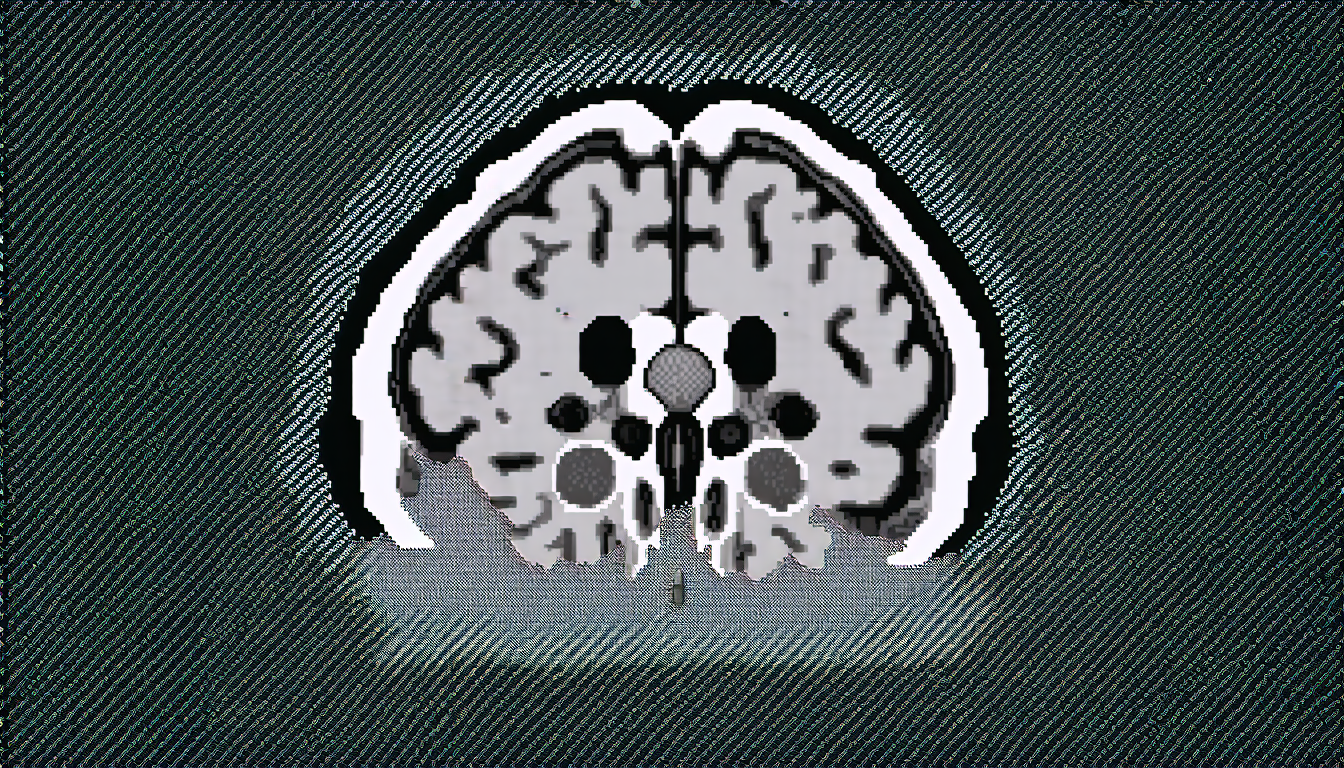
The researchers tested their approach on a range of different datasets, including MRI scans of the brain and spine. In each case, they found that the synthetic images were highly accurate and effective in capturing the key features of the real-world data.
The potential applications of this technology are vast. For example, it could be used to create personalized 3D models of patients’ organs and tissues, allowing doctors to plan more precise surgeries. It could also be used to generate training data for machine learning algorithms, enabling them to learn more effectively from a wider range of images.
Overall, the development of physics-constrained synthetic data generation is an exciting step forward in the field of medical imaging. By creating realistic and accurate synthetic images, researchers can help doctors make more informed decisions and improve patient outcomes.
Cite this article: “Revolutionary Synthetic Medical Images for Accurate Diagnosis and Treatment”, The Science Archive, 2025.
Medical Imaging, Machine Learning, Synthetic Data Generation, Physics-Constrained, Mri Scans, Brain, Spine, Personalized Models, 3D Modeling, Surgery Planning





