

Tuesday 25 February 2025
A team of researchers has developed a new method for correcting errors in camera poses, which could have significant implications for fields such as construction management and emergency response.
The traditional approach to camera pose estimation involves using simultaneous localization and mapping (SLAM) algorithms, which can struggle to accurately track the position and orientation of cameras in dynamic environments. To address this issue, the researchers developed a new framework that leverages building information models (BIMs) to refine camera poses.
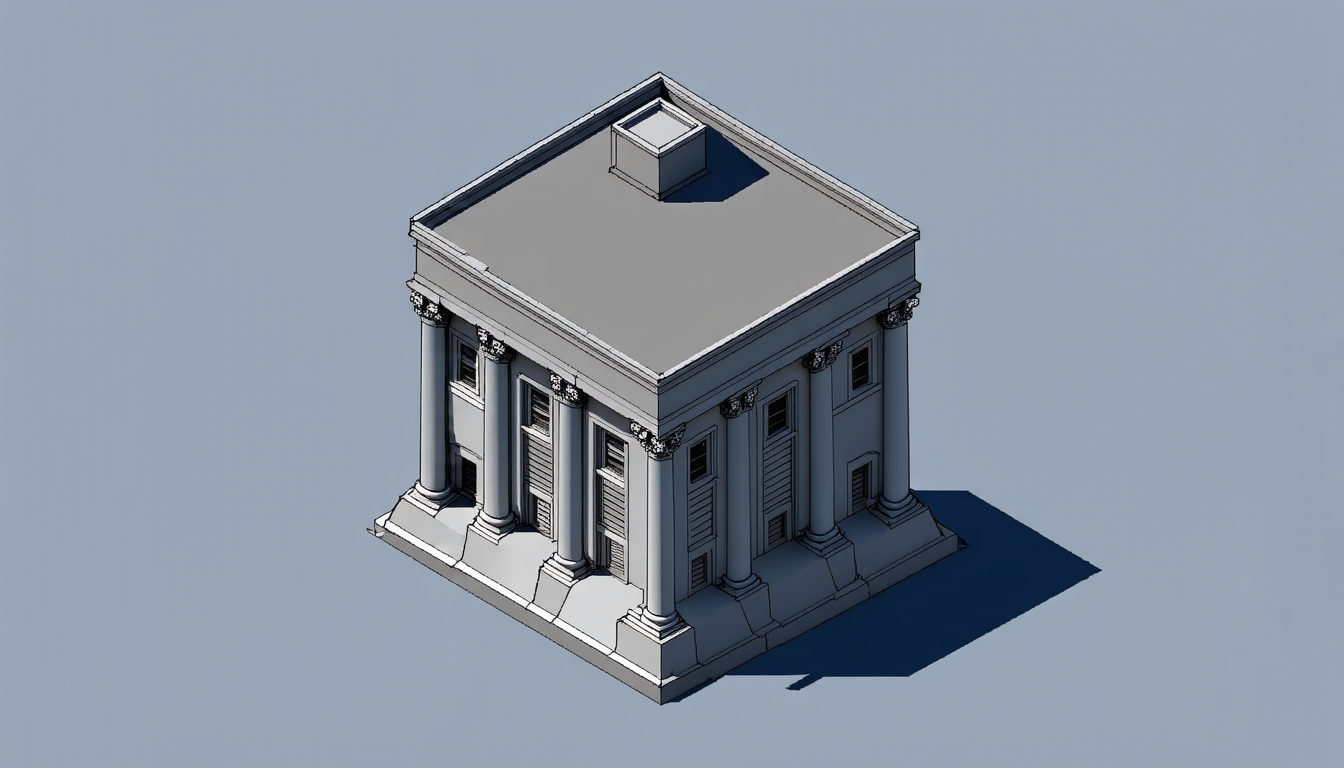
BIMs are 3D digital models of buildings that contain detailed information about the structure’s layout, including the location and orientation of walls, columns, and other features. By combining BIM data with camera measurements, the researchers were able to create a more accurate and robust estimate of camera pose.
The new framework, called BIMCaP, uses a bundle adjustment algorithm to refine camera poses. This algorithm iteratively adjusts the estimated camera pose based on the agreement between the observed camera images and the expected images generated from the BIM model.
In tests using real-world data from a construction site, the researchers found that BIMCaP was able to significantly improve the accuracy of camera pose estimation compared to traditional SLAM algorithms. The framework also demonstrated robustness in the face of changing environmental conditions, such as movement and occlusion.
The potential applications of BIMCaP are significant. For example, in construction management, the ability to accurately track the position and orientation of cameras could enable more effective monitoring of building progress and detection of defects. In emergency response, accurate camera pose estimation could facilitate more efficient search and rescue operations.
While there is still much work to be done before BIMCaP can be widely adopted, the researchers’ approach represents an important step forward in the development of robust and accurate camera pose estimation methods.
Cite this article: “Accurate Camera Pose Estimation using Building Information Models”, The Science Archive, 2025.
Camera Pose Estimation, Slam, Bim, Building Information Models, Construction Management, Emergency Response, Bundle Adjustment Algorithm, Computer Vision, Robotics, Machine Learning





