
Tuesday 25 February 2025
A new approach to image segmentation, a crucial step in medical imaging and computer vision, has been proposed by researchers. This technique uses kinetic theory to model the behavior of pixels in an image, allowing for more accurate and efficient segmentation.
The current state of image segmentation is often plagued by noise and irregularities, which can make it difficult to accurately identify regions of interest within an image. Traditional methods rely on manual thresholding or clustering algorithms, which can be time-consuming and prone to errors.
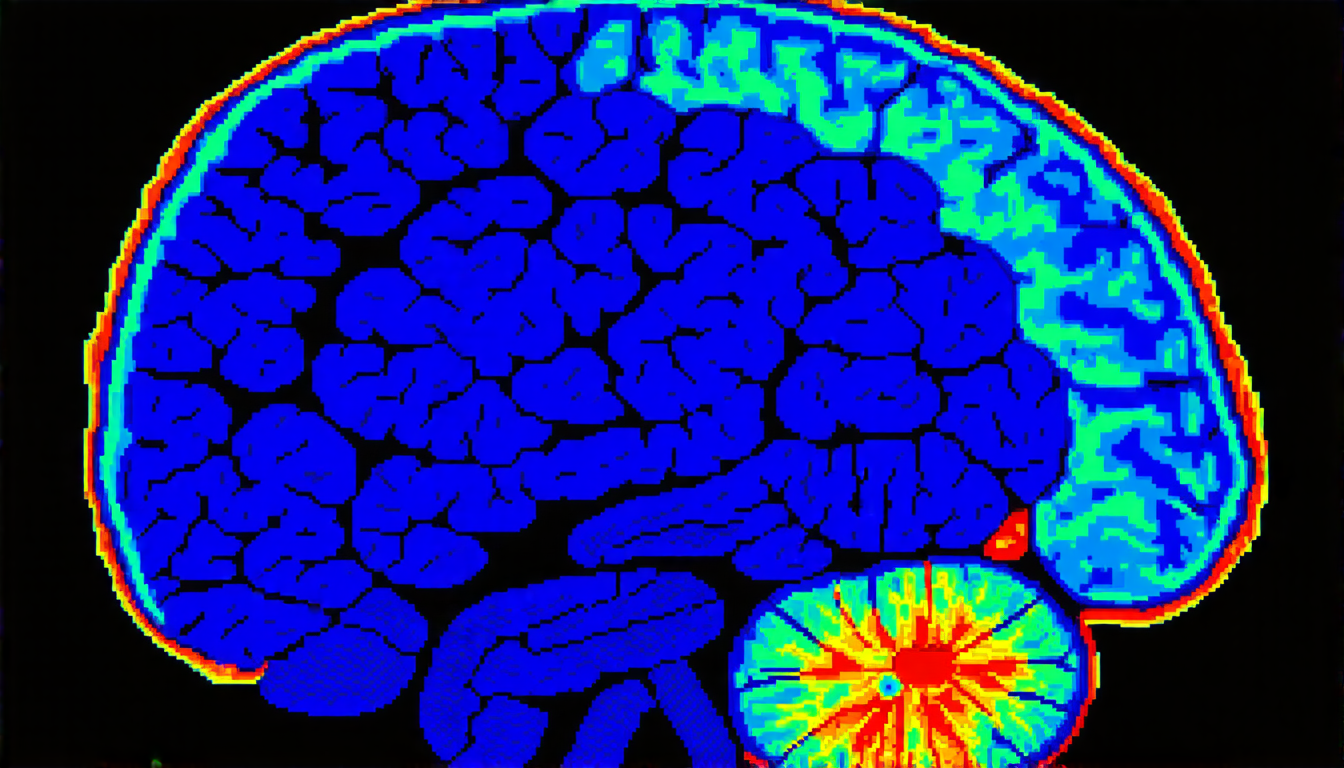
The new approach, however, uses a kinetic model to simulate the behavior of pixels in an image. This model takes into account the interactions between neighboring pixels, allowing for more accurate identification of regions of interest. The researchers have demonstrated the effectiveness of this method on several medical imaging datasets, including MRI and CT scans.
One of the key advantages of this approach is its ability to handle complex shapes and structures within an image. Traditional methods often struggle with these types of images, resulting in inaccurate segmentation. The kinetic model, however, is able to adapt to these complexities by simulating the behavior of pixels in a more realistic way.
The researchers have also shown that their method can be used for multiple applications, including medical imaging and computer vision. For example, it could be used to segment tumors from healthy tissue in MRI scans or to identify objects within an image.
The use of kinetic theory in this approach is particularly noteworthy. Kinetic theory is typically used to model the behavior of particles in a gas or plasma, but its application to image segmentation is innovative and promising. The researchers have demonstrated that their method can be used for a wide range of applications, making it a valuable tool for researchers and clinicians alike.
Overall, this new approach to image segmentation has the potential to revolutionize the field of medical imaging and computer vision. Its ability to accurately identify regions of interest within an image, even in complex cases, makes it a powerful tool for researchers and clinicians. With further development and testing, this method could lead to significant advances in our understanding and treatment of diseases.
The researchers have made their code and datasets publicly available, allowing other scientists to build upon and improve their work. This transparency is essential for advancing the field and ensuring that the benefits of this technology can be shared with the widest possible audience.
As this technology continues to evolve, it has the potential to make a significant impact on our understanding and treatment of diseases. From medical imaging to computer vision, its applications are vast and varied.
Cite this article: “Kinetic Theory-Based Image Segmentation Revolutionizes Medical Imaging and Computer Vision”, The Science Archive, 2025.
Image Segmentation, Kinetic Theory, Medical Imaging, Computer Vision, Pixel Behavior, Image Modeling, Region Identification, Tumor Detection, Object Recognition, Machine Learning