

Wednesday 26 February 2025
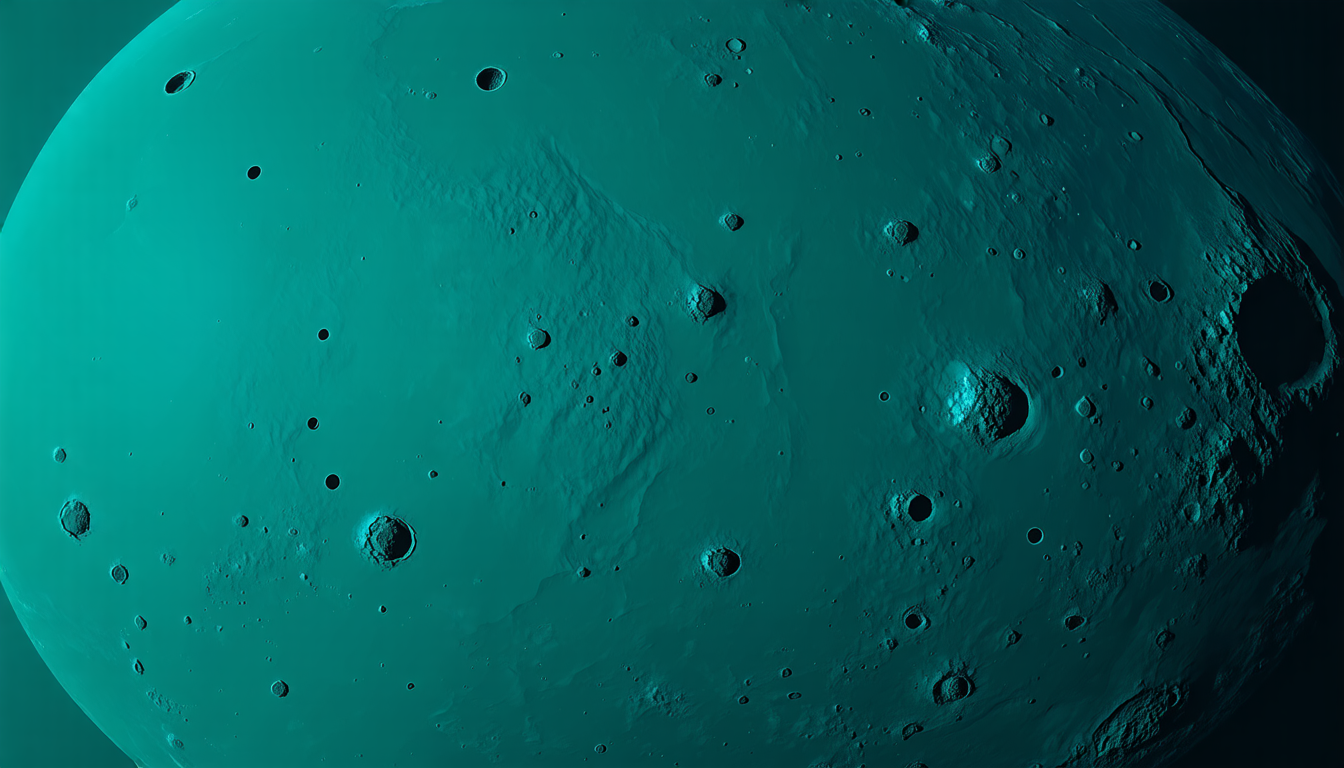
Astronomers have long been fascinated by the mysterious origins of planetesimals, small rocky bodies that orbit our sun and are thought to be the building blocks of planets. But a new study has shed light on the processes that shape these tiny worlds, revealing that collisions with other objects can play a crucial role in their formation.
Researchers used computer simulations to recreate the conditions under which planetesimals form from swirling clouds of gas and dust. They found that as these bodies grow, they become increasingly vulnerable to collisions with other objects, including smaller particles and even larger asteroids.
These impacts can have a profound effect on the planetesimal’s shape and rotation, causing it to spin down over time. But the researchers discovered that this process is not uniform – instead, it depends on the angle at which the projectile strikes the surface.
When an object hits a planetesimal head-on, it can cause massive damage and even eject material into space. But if the impact occurs at a shallow angle, the force of the collision is distributed more evenly across the surface, leading to a slower spin-down rate.
The team’s findings have significant implications for our understanding of how planetesimals form and evolve over time. They suggest that these bodies may be much more dynamic than previously thought, with their rotation rates changing as they interact with other objects in their orbit.
The research also has practical applications for scientists studying the early history of our solar system. By better understanding the processes that shape planetesimals, researchers can gain insights into how our own planet formed and evolved over billions of years.
In addition to its implications for planetary science, the study highlights the importance of considering multiple factors when trying to understand complex phenomena. The researchers’ use of computer simulations to recreate the conditions under which planetesimals form is a powerful example of this approach, allowing them to test different scenarios and explore the nuances of these interactions.
Ultimately, the study’s findings offer a new perspective on the formation and evolution of planetesimals, revealing a more complex and dynamic picture than previously thought. As scientists continue to explore the mysteries of our solar system, this research serves as a reminder of the importance of considering multiple factors and exploring the intricacies of these celestial bodies.
Cite this article: “Collisions Play Crucial Role in Shaping Planetesimals”, The Science Archive, 2025.
Planetesimals, Collisions, Formation, Evolution, Solar System, Asteroids, Gas And Dust, Computer Simulations, Rotation, Planetary Science





