
Wednesday 26 February 2025
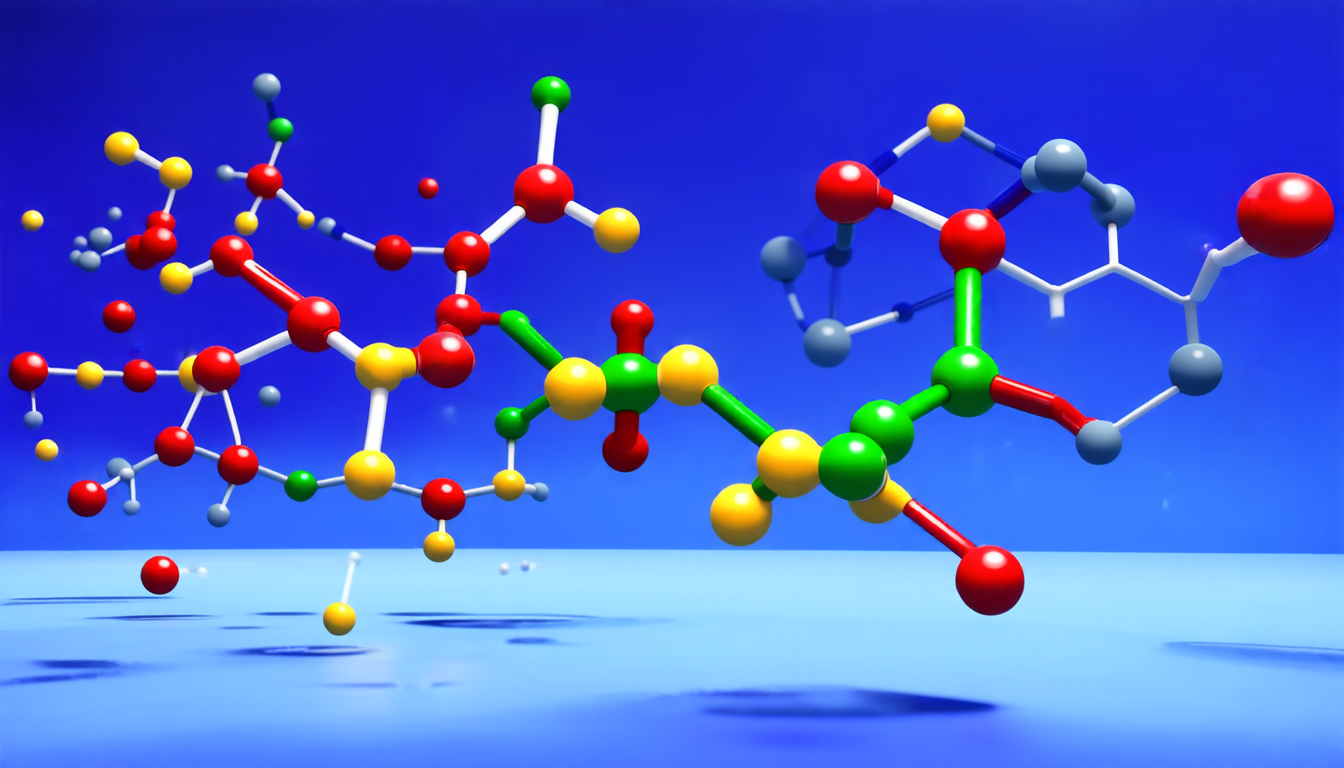
Molecular communication, a method of transmitting information using tiny particles like molecules, has been gaining traction in recent years as a potential way to connect devices and systems that are too small or complex for traditional wireless networks. However, this technology faces significant challenges, including the random movement of molecules through the air, which can cause errors and reduce the reliability of the transmission.
One key issue is intersymbol interference (ISI), where the signal from one molecule interferes with the signal from another. This can be particularly problematic in molecular communication systems, where the signals are often very weak and easily disrupted.
To address this problem, researchers have been exploring the use of error-correcting codes to improve the reliability of molecular communication systems. One type of code that has shown promise is the low-density parity-check (LDPC) code, which uses a combination of mathematical algorithms and random noise to detect and correct errors in the transmission.
In a new paper, researchers have taken this approach a step further by incorporating diversity gain into their LDPC codes. Diversity gain refers to the ability of a system to use multiple paths or signals to improve its overall performance. In the case of molecular communication systems, this means using two different types of molecules to transmit information, rather than just one.
The researchers used computer simulations to test the effectiveness of their approach, and found that it significantly improved the reliability of the transmission compared to traditional LDPC codes without diversity gain. They also compared their results to a pre-equalization method that has been previously proposed for molecular communication systems, and found that their approach outperformed it in certain scenarios.
The implications of this research are significant, as they could help to improve the performance and reliability of molecular communication systems. This technology has the potential to enable new applications such as implantable devices that can communicate with each other, or devices that can be used to monitor environmental pollutants.
While there is still much work to be done before molecular communication systems become a reality, this research represents an important step forward in the development of this technology. By using LDPC codes with diversity gain, researchers may be able to overcome some of the challenges associated with molecular communication and create more reliable and efficient transmission systems.
Cite this article: “Improving Molecular Communication Reliability Through Error-Correcting Codes and Diversity Gain”, The Science Archive, 2025.
Molecular Communication, Ldpc Codes, Error-Correcting Codes, Intersymbol Interference, Diversity Gain, Molecular Communication Systems, Wireless Networks, Signal Transmission, Reliability, Performance Improvement.