

Saturday 22 February 2025
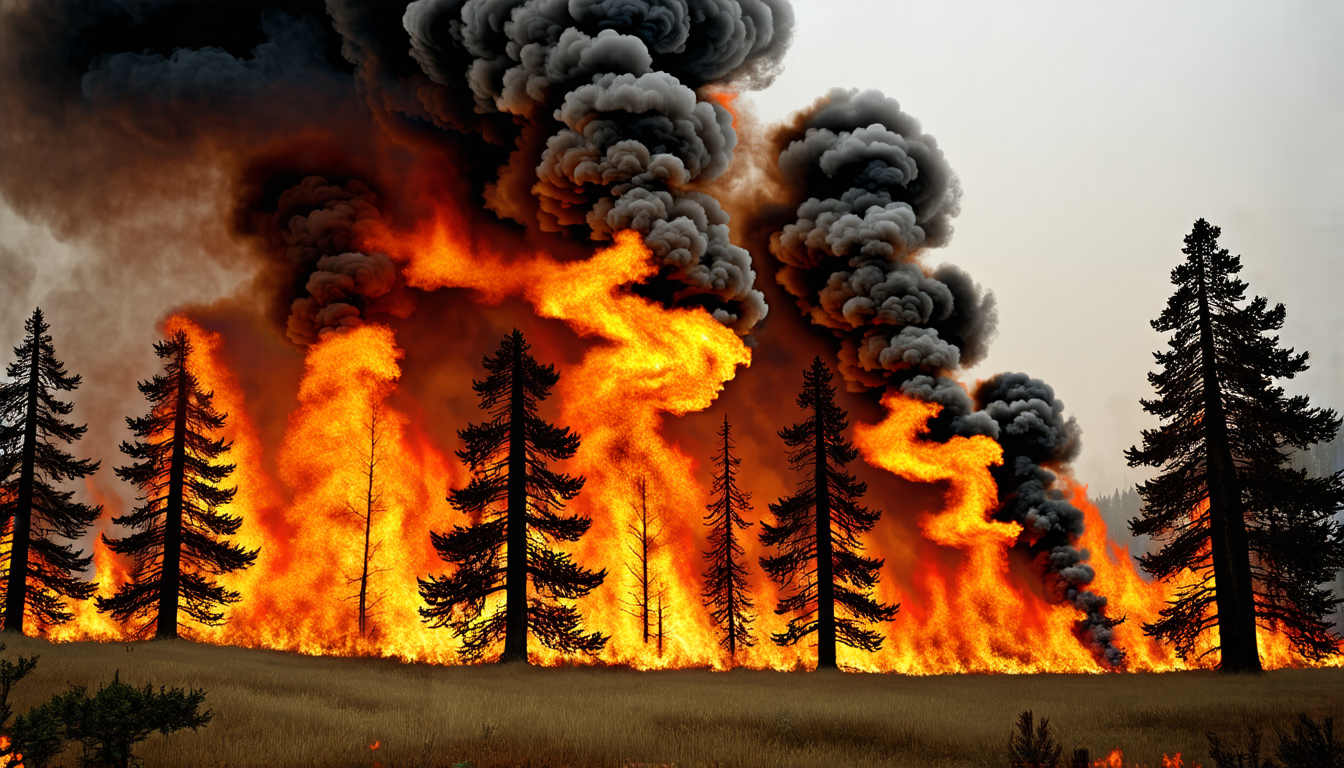
Wildfires are a growing concern in the western United States, and scientists have been working to understand their impact on air quality. A recent study has shed new light on the role of human-caused climate change in driving smoke exposure across the region.
The researchers used a combination of observations from satellites and weather stations, as well as computer simulations, to analyze the relationship between wildfires and air quality. They found that human-caused climate change is responsible for up to 82% of the increase in burned area across the western US over the past three decades.
This means that climate change is not only increasing the frequency and severity of wildfires, but also altering the types of fuels available to them. As a result, fires are becoming more intense and producing more smoke, which can have serious health impacts for people living in affected areas.
The researchers used data from the Moderate Resolution Imaging Spectroradiometer (MODIS) satellite to track changes in burned area across the western US since 1992. They also analyzed data on air quality from the Interagency Monitoring of Protected Visual Environment (IMPROVE) program, which collects data on particulate matter (PM2.5) concentrations at over 3,000 sites across the country.
The team found that human-caused climate change is responsible for a significant portion of the increase in PM2.5 concentrations in the western US since 1997. This is due to the fact that warmer temperatures and changing precipitation patterns are creating more favorable conditions for wildfires to occur.
The researchers also used computer simulations to estimate the impact of human-caused climate change on smoke exposure across the region. They found that under a scenario where greenhouse gas emissions continue to rise, smoke exposure could increase by as much as 65% in the western US by the end of the century.
This has serious implications for public health, particularly for people living in areas with poor air quality. Exposure to high levels of PM2.5 has been linked to increased risk of heart disease, respiratory problems, and other health issues.
The study highlights the need for policymakers to take action to reduce greenhouse gas emissions and mitigate the impacts of climate change on wildfires. This could include measures such as increasing funding for wildfire prevention and suppression efforts, as well as implementing policies to promote sustainable land use practices.
Overall, the research provides a clear picture of the role of human-caused climate change in driving smoke exposure across the western US.
Cite this article: “Human-Caused Climate Change Drives Smoke Exposure Across Western United States”, The Science Archive, 2025.
Wildfires, Air Quality, Climate Change, Western United States, Smoke Exposure, Pm2.5, Satellite Observations, Computer Simulations, Greenhouse Gas Emissions, Public Health





