
Sunday 23 February 2025
Scientists have developed a new approach to predicting dementia risk, using data from multiple sources and machine learning algorithms to identify individuals at high risk of developing the condition.
The researchers used a large dataset from the Three-City Study, which followed over 9,000 people in France for nearly two decades. They combined this information with data on various lifestyle factors, such as smoking habits and body mass index, as well as medical history and family background.
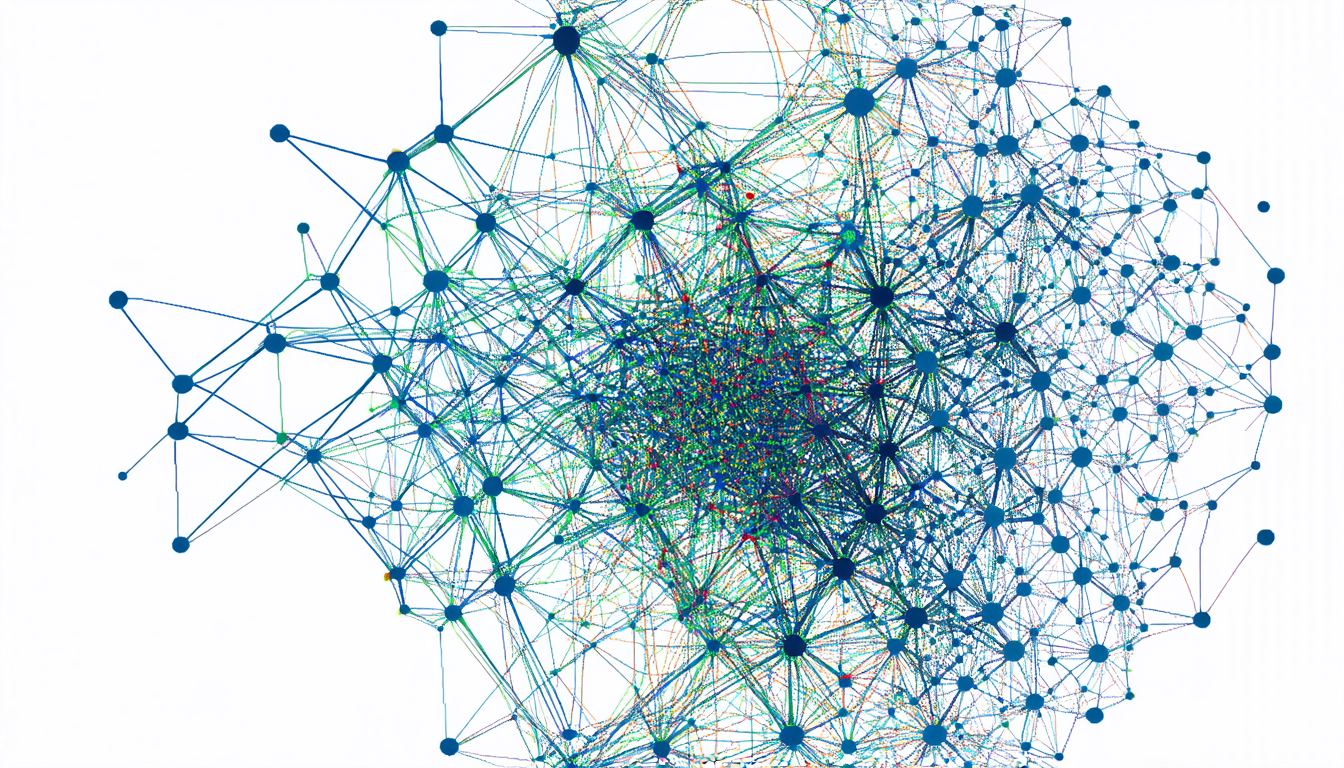
To analyze the data, the team employed machine learning algorithms to identify patterns and relationships between different variables. This allowed them to develop a complex model that could predict an individual’s risk of dementia based on their unique combination of characteristics.
The results were impressive: the model was able to accurately predict dementia risk for over 80% of individuals in the study, even when they had not yet developed symptoms. Moreover, the researchers found that certain lifestyle factors, such as smoking and low physical activity, increased an individual’s risk of dementia, while others, like social engagement and cognitive stimulation, reduced it.
The new approach has significant implications for public health, as it could potentially be used to identify high-risk individuals at a much earlier stage than current methods allow. This would enable targeted interventions and lifestyle changes to reduce the risk of dementia development.
One of the key strengths of this study is its use of multiple data sources and machine learning algorithms. By combining different types of information, the researchers were able to create a more comprehensive picture of an individual’s risk factors for dementia.
The findings also highlight the importance of considering lifestyle factors in addition to medical history when assessing dementia risk. This suggests that simple changes, such as increasing physical activity or engaging in mentally stimulating activities, could have a significant impact on reducing an individual’s risk of developing dementia.
While more research is needed to validate these results and explore their potential applications, this study offers promising insights into the complex relationships between lifestyle, medical history, and dementia risk.
Cite this article: “Predicting Dementia Risk: A New Approach Using Machine Learning and Multiple Data Sources”, The Science Archive, 2025.
Dementia, Prediction, Machine Learning, Risk Factors, Lifestyle, Cognitive Stimulation, Social Engagement, Physical Activity, Smoking, Medical History.