
Sunday 23 February 2025
Recent research has shed new light on a long-standing challenge in social science: how to accurately measure the effects of programs and policies when they are implemented at different levels. The study, published in a leading economics journal, presents a novel approach that combines statistical techniques with practical insights to provide more reliable estimates.
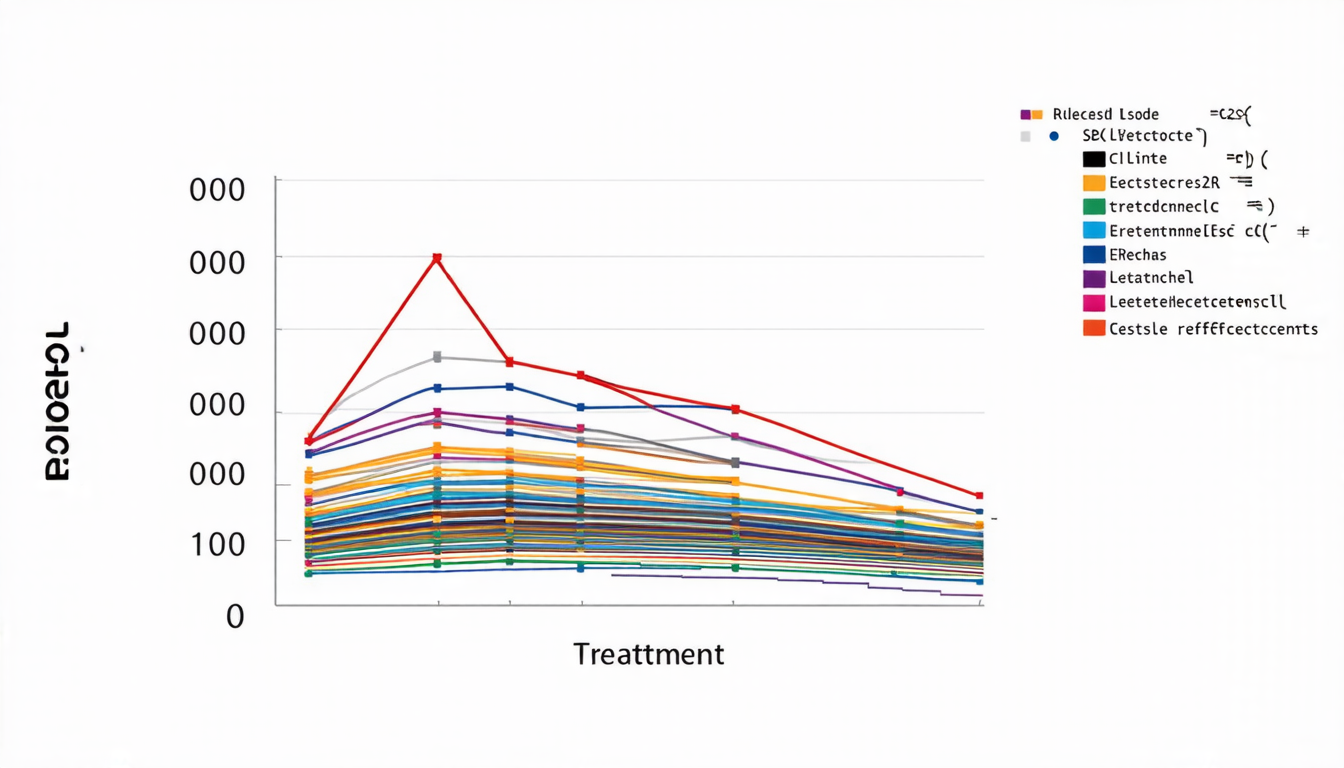
The problem lies in the fact that many programs have multiple cutoff points, where individuals can either be included or excluded from receiving benefits. This complexity makes it difficult to determine whether any observed effects are due to the program itself or other factors. The new method addresses this issue by using a combination of statistical models and empirical data to estimate the treatment effects at different levels.
The researchers used a range of real-world examples, including education programs and social services, to test their approach. They found that their method provided more accurate estimates than traditional approaches, which often rely on simplifying assumptions or limited data.
One key advantage of the new approach is its ability to account for the nuances of human behavior and decision-making. By incorporating insights from psychology and economics, the researchers were able to better understand how individuals respond to different levels of treatment. This allowed them to develop more accurate predictions about how programs would affect people in real-world settings.
The implications of this research are significant, particularly for policymakers who must make decisions based on incomplete information. By providing more reliable estimates, the new method can help ensure that programs and policies are targeted effectively and produce meaningful results.
In addition to its practical applications, the study has also contributed to a deeper understanding of statistical methodology. The researchers’ innovative approach has opened up new avenues for exploring complex social phenomena, and their findings have important implications for fields beyond economics.
Overall, this research demonstrates the power of interdisciplinary collaboration and the importance of refining our statistical tools to better understand the world around us. By combining cutting-edge techniques with real-world insights, scientists can develop more accurate and meaningful estimates that inform policy decisions and improve lives.
Cite this article: “Accurate Program Evaluation: A Novel Approach to Measuring Treatment Effects”, The Science Archive, 2025.
Social Science, Program Evaluation, Statistical Methodology, Treatment Effects, Cutoff Points, Empirical Data, Education Programs, Social Services, Policy Decisions, Interdisciplinary Research