

Sunday 23 February 2025
The quest for a more realistic digital world has taken another significant step forward, thanks to a team of researchers who have developed a new method for creating lifelike 3D models of animals and humans. By using a combination of machine learning algorithms and computer graphics techniques, the scientists were able to generate highly detailed and realistic 3D models from just one or two images.
The technique works by first analyzing the input image to identify key features such as shape, texture, and pose. It then uses this information to generate a rough outline of the object’s shape, which is further refined through machine learning algorithms that learn to recognize patterns in the data. The final step involves adding realistic details such as fur or skin textures, making the model look remarkably lifelike.
One of the key advantages of this technique is its ability to handle complex and dynamic scenes, where objects are moving or interacting with each other. This is particularly useful for applications such as virtual reality or video games, where creating realistic environments and characters is crucial.
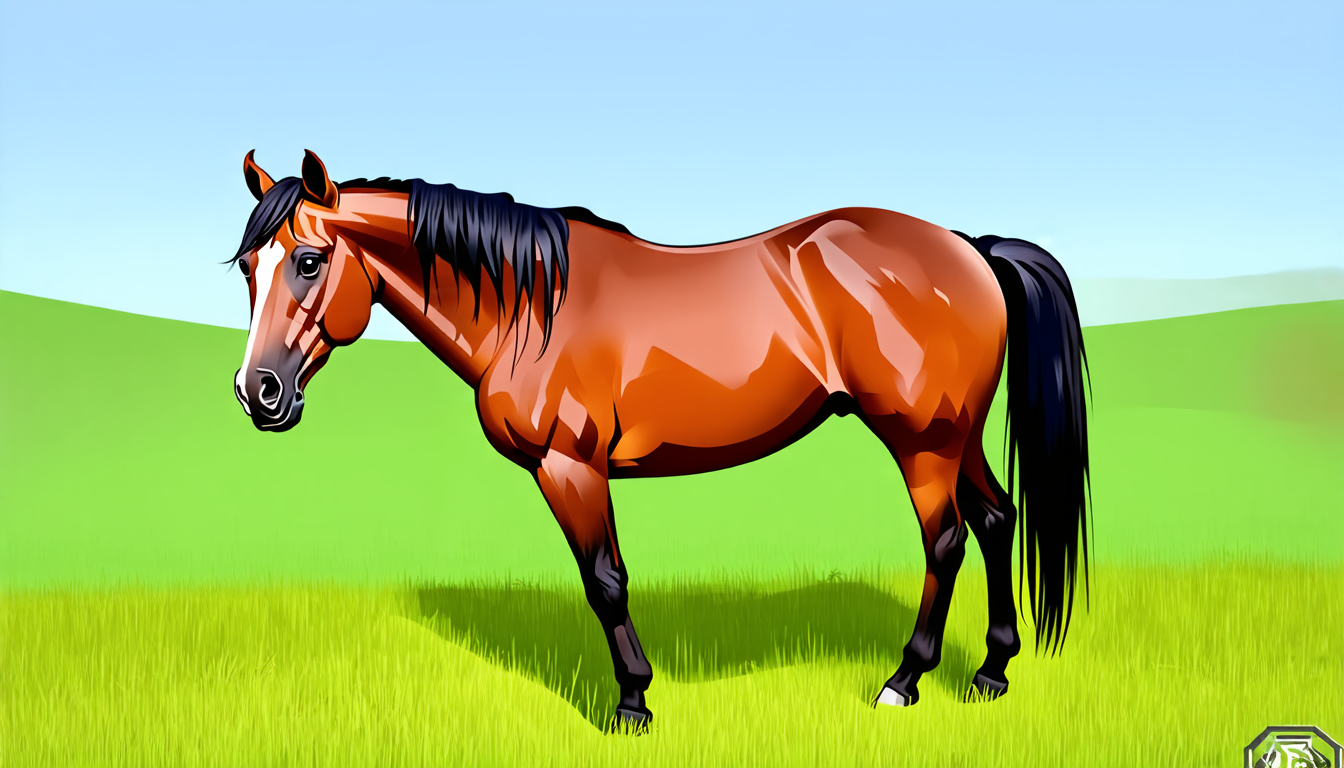
The researchers tested their method on a range of different animals, including horses, cows, and sheep, as well as humans, and found that it was able to generate highly accurate 3D models with ease. The models were so lifelike that they could be used in real-world applications such as animation or video production.
The potential applications of this technique are vast, from creating realistic characters for movies and TV shows to designing virtual reality experiences that feel more immersive and engaging. It also has the potential to revolutionize fields such as medicine and education, where 3D models can be used to visualize complex anatomy or explain difficult concepts.
Overall, this new method is an exciting development in the field of computer graphics and machine learning, with the potential to transform a wide range of industries and applications.
Cite this article: “Realistic 3D Models Created from Single Images using Machine Learning”, The Science Archive, 2025.
3D Models, Computer Graphics, Machine Learning, Lifelike, Animals, Humans, Virtual Reality, Video Games, Animation, Medicine





