

Thursday 27 February 2025
The quest for a more sustainable future in nuclear physics research has led scientists to explore innovative ways to store and manage large datasets, ensuring their long-term accessibility and reproducibility. The recent workshop on Software Infrastructure for Advanced Nuclear Physics Computing (SANPC) brought together experts from the field to discuss challenges and opportunities in this area.
One of the primary concerns is the sheer scale of data generated by nuclear physics experiments. With increasingly powerful computing facilities and advanced detectors, researchers are now dealing with datasets that can span hundreds of gigabytes or even terabytes. Managing and storing these vast amounts of data requires specialized software tools and infrastructure, which can be costly and resource-intensive.
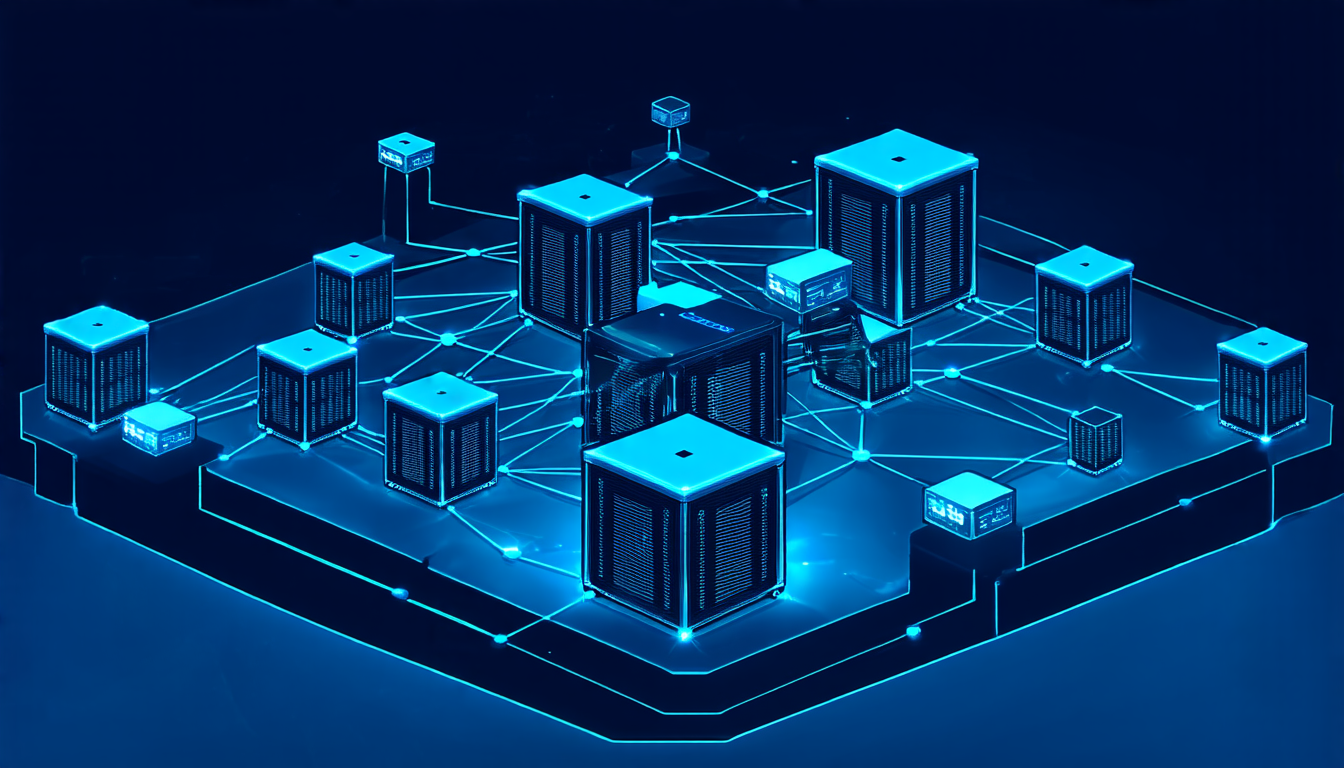
To address this issue, the workshop focused on strategies for decentralized storage networks, leveraging technologies such as InterPlanetary File System (IPFS) to distribute responsibility and reduce costs. This approach allows researchers to store their data in a more flexible and scalable manner, without relying on a single central authority.
Another key area of discussion was software stewardship, which refers to the process of maintaining and updating existing software tools to ensure their continued relevance and functionality. As new computing architectures and technologies emerge, it is essential that nuclear physics researchers have access to software that can adapt to these changes.
The workshop also touched on the importance of data curation and preservation, recognizing that the long-term accessibility of research data is crucial for reproducibility and validation. This requires not only storing data safely but also documenting its provenance and context, allowing future researchers to build upon existing work.
The role of artificial intelligence (AI) and machine learning (ML) in nuclear physics was another topic of discussion. These technologies hold great promise for enhancing data analysis and simulation capabilities, but they also introduce new challenges related to model interpretability and bias.
Finally, the workshop highlighted the need for a stronger focus on workforce development and career paths for scientists working at the intersection of nuclear physics, data science, and computing. As these fields continue to evolve, it is essential that researchers have access to training opportunities and mentorship to stay up-to-date with the latest techniques and technologies.
The SANPC workshop provided a valuable platform for nuclear physicists to share their experiences and insights on software infrastructure, data management, and AI/ML applications. By addressing these critical challenges, researchers can ensure that their work remains relevant and impactful in the face of emerging technological advancements.
Cite this article: “Advancing Nuclear Physics Research through Innovative Software Infrastructure and Data Management Strategies”, The Science Archive, 2025.
Nuclear Physics, Software Infrastructure, Data Management, Decentralized Storage, Interplanetary File System, Software Stewardship, Data Curation, Artificial Intelligence, Machine Learning, Workforce Development.





