

Thursday 27 February 2025
Scientists have made a significant breakthrough in understanding the properties of superconductors, materials that can conduct electricity with zero resistance. The discovery could lead to more efficient and powerful devices, such as faster computers and more advanced medical equipment.
Superconductors work by allowing electrons to flow through them without losing any energy. This is because the material’s crystal structure is able to support a type of quantum state called Cooper pairs, which are pairs of electrons that move together in lockstep.
The new research has focused on a specific type of superconductor known as an Euler superconductor. These materials have a unique property called the Euler class, which describes how the material’s crystal structure is arranged.
The scientists used computer simulations to study the properties of Euler superconductors and found that they exhibit a unique behavior when exposed to light. Specifically, they discovered that the material’s conductivity changes in a predictable way when it is illuminated with different wavelengths of light.
This phenomenon is known as photoconductivity, and it could have important implications for the development of new devices. For example, scientists could use photoconductivity to create sensors that can detect specific types of radiation or chemicals.
The research also found that the Euler class plays a crucial role in determining the material’s conductivity. This means that by controlling the Euler class, scientists may be able to tailor the material’s properties for specific applications.
One potential application is in the development of more efficient supercapacitors. These devices store energy by holding electric charges on their surface, and they could potentially replace traditional batteries in some devices.
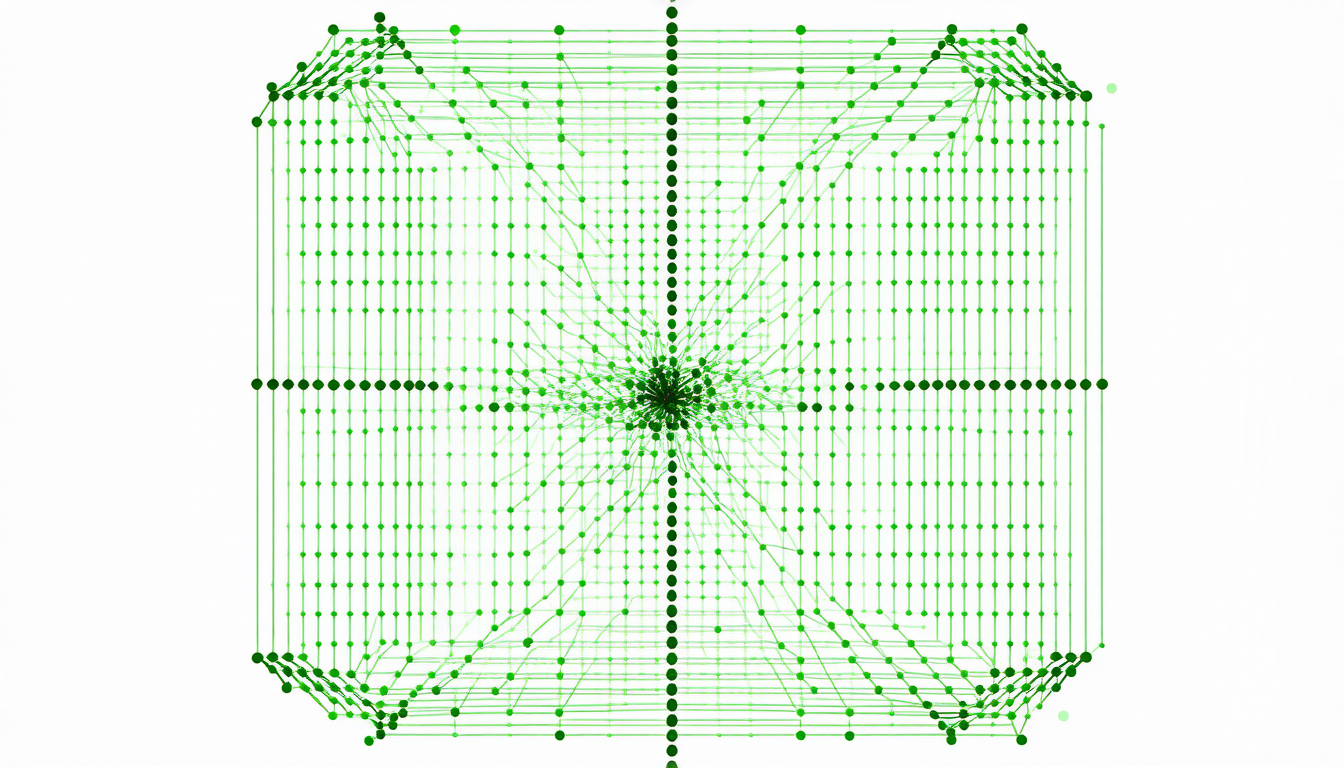
The researchers used two different types of lattices – known as the Lieb lattice and the kagome lattice – to study the properties of Euler superconductors. They found that both lattices exhibited similar behavior when exposed to light, but with some key differences.
For example, the Lieb lattice showed a more pronounced change in conductivity when illuminated with different wavelengths of light. This could make it more suitable for applications where precise control over the material’s properties is needed.
The kagome lattice, on the other hand, exhibited a more gradual change in conductivity. This could make it more suitable for applications where the material needs to be able to adapt to changing conditions.
Overall, the discovery of photoconductivity in Euler superconductors opens up new possibilities for the development of advanced devices.
Cite this article: “Unlocking New Properties: Scientists Discover Photoconductivity in Superconductors”, The Science Archive, 2025.
Superconductors, Euler Class, Photoconductivity, Crystal Structure, Cooper Pairs, Quantum State, Lattices, Lieb Lattice, Kagome Lattice, Supercapacitors





