

Friday 28 February 2025
The ability to track and analyze the movements of animals in their natural habitats is crucial for understanding their behavior, social structures, and adaptations. However, this task has long been a challenge due to the difficulty of capturing accurate data in wild environments.
A team of researchers has developed a innovative approach that uses machine learning algorithms to lift 2D poses from images taken in the wild and transfer them onto 3D avatars. This allows for more accurate and detailed analysis of animal behavior, which can have significant implications for fields such as conservation biology and ecology.
The process begins by collecting images of animals in their natural habitats using cameras or drones. These images are then fed into a machine learning algorithm that detects and tracks the animal’s joints and body parts in 2D space. The algorithm uses this information to generate a 3D pose, which is then transferred onto a virtual avatar.
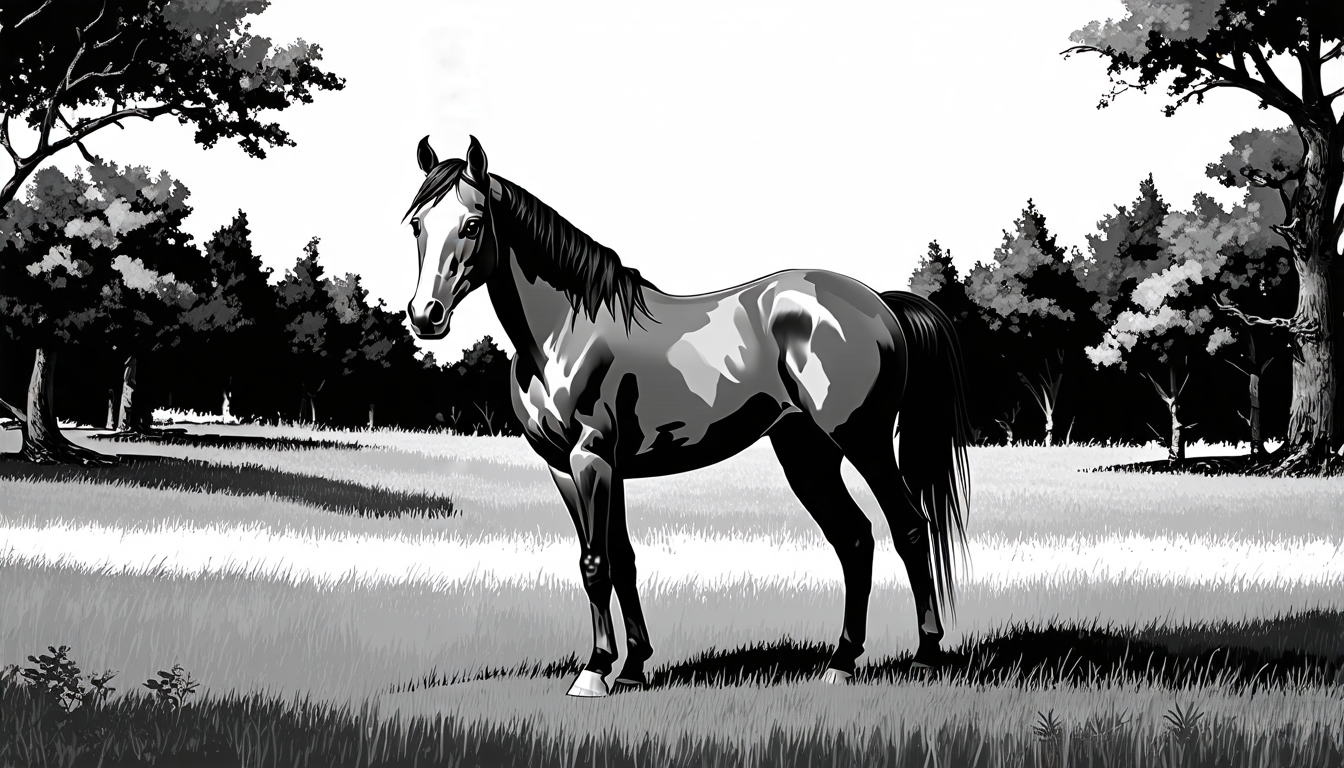
The team tested their approach on datasets featuring macaques and horses, achieving high accuracy rates and demonstrating its potential for use with other species. This technology has the potential to revolutionize our understanding of animal behavior and social structures, as well as providing valuable insights into conservation efforts.
One of the key benefits of this approach is that it allows researchers to analyze animal behavior in a more detailed and accurate manner than was previously possible. By tracking the movements of individual animals over time, scientists can gain a better understanding of their social dynamics, habitat use, and response to environmental changes.
The technology also has potential applications in fields beyond biology, such as film and animation. For example, it could be used to create realistic animal animations for movies or video games, without the need for expensive and time-consuming motion capture techniques.
Overall, this innovative approach represents a significant step forward in our ability to study and understand animal behavior, with far-reaching implications for fields such as conservation biology, ecology, and entertainment.
Cite this article: “Unlocking Animal Behavior: A Machine Learning Breakthrough”, The Science Archive, 2025.
Machine Learning, Animal Behavior, 3D Avatars, Conservation Biology, Ecology, Wildlife Research, Pose Estimation, Machine Vision, Computer Animation, Zoology.





