
Friday 28 February 2025
Scientists have made a significant breakthrough in understanding how our immune system recognizes and responds to threats, such as viruses and cancer cells. By developing a new computer model that can predict how proteins on our cells interact with our immune system’s T-cells, researchers hope to improve the effectiveness of vaccines and immunotherapies.
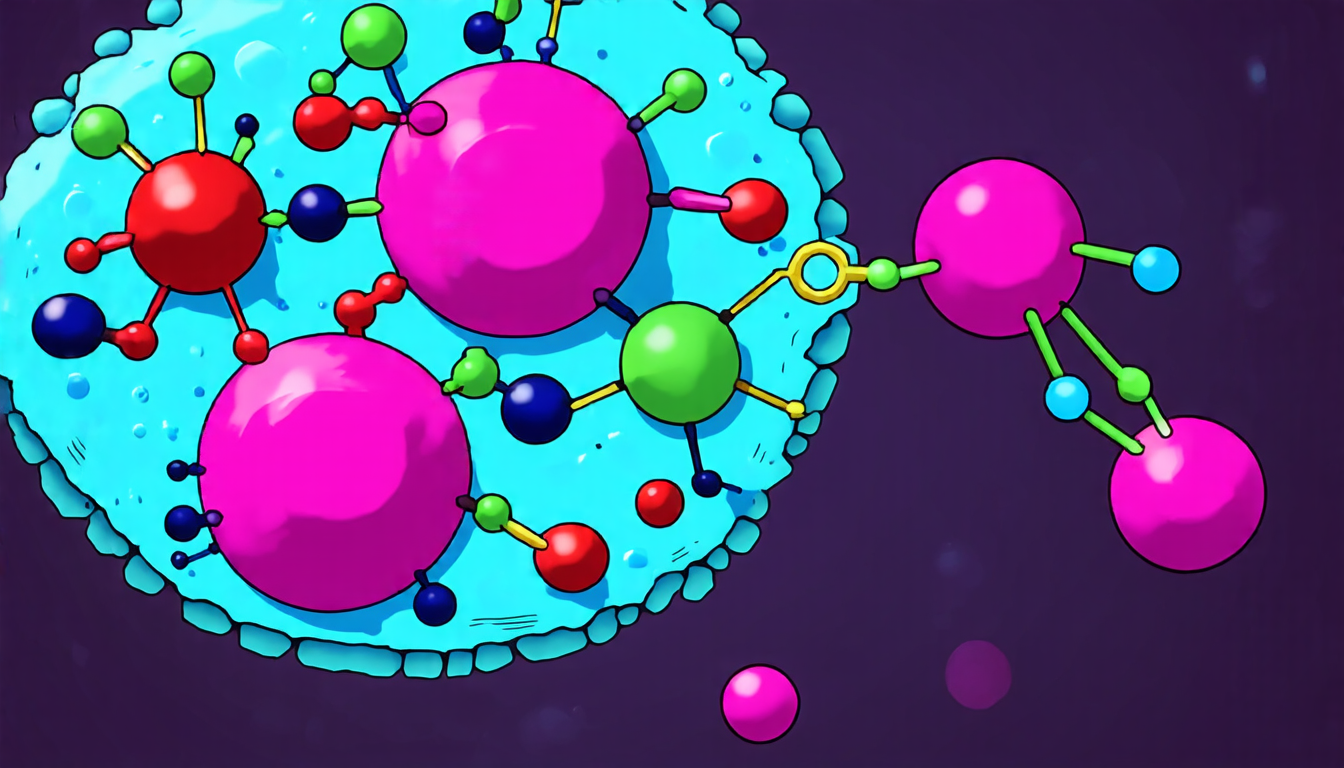
The immune system is like a highly specialized army, with different types of soldiers – called T-cells – that recognize and attack specific enemies. However, this process is complex and requires precise coordination between multiple components. The model developed by scientists uses artificial intelligence to simulate how proteins on our cells interact with T-cells, allowing them to predict which proteins are most likely to trigger an immune response.
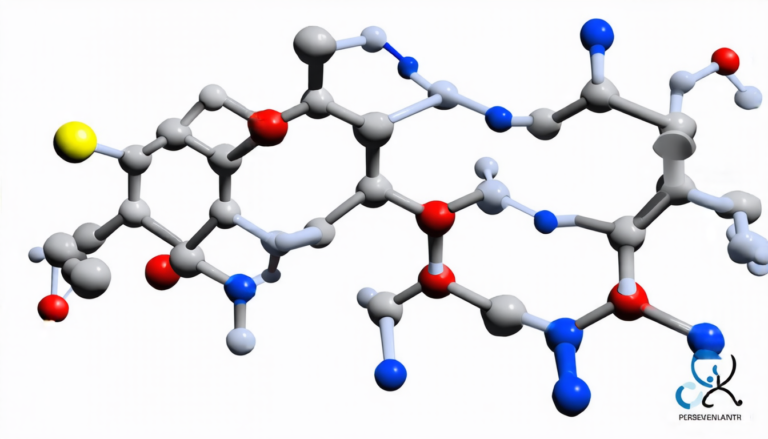
One of the key challenges in developing effective vaccines and immunotherapies is identifying which proteins on a cell are most likely to be recognized by T-cells. This is because different proteins can have similar shapes or sequences, making it difficult for our immune system to distinguish between them. The new model uses machine learning algorithms to analyze large datasets of protein structures and identify patterns that are associated with T-cell recognition.
The model’s predictions were tested using data from a variety of sources, including human tumor cells and viruses. In each case, the model was able to accurately predict which proteins were most likely to trigger an immune response. This has significant implications for the development of new treatments, as it allows researchers to identify potential targets for vaccine development or immunotherapy.
The model’s ability to predict T-cell recognition could also help scientists understand why some people are more susceptible to certain diseases than others. For example, if a person’s T-cells are unable to recognize a particular protein on a virus, they may be more likely to contract the disease. By identifying which proteins are most likely to trigger an immune response, researchers may be able to develop targeted therapies that help boost the immune system’s ability to fight off infections.
The development of this model is also significant because it demonstrates the potential for artificial intelligence to revolutionize our understanding of the human body. While AI has been used in medicine before, it has typically been limited to analyzing large datasets or assisting with diagnosis. This new model shows that AI can be used to simulate complex biological processes and make predictions about how the immune system will respond to different stimuli.
Overall, this breakthrough has significant implications for our understanding of the immune system and its role in fighting disease.
Cite this article: “Predicting Immune Response: AI Model Revolutionizes Understanding of Human Immune System”, The Science Archive, 2025.
Immune System, T-Cells, Proteins, Vaccines, Immunotherapy, Artificial Intelligence, Machine Learning, Cancer Cells, Viruses, Immune Response