
Saturday 01 March 2025
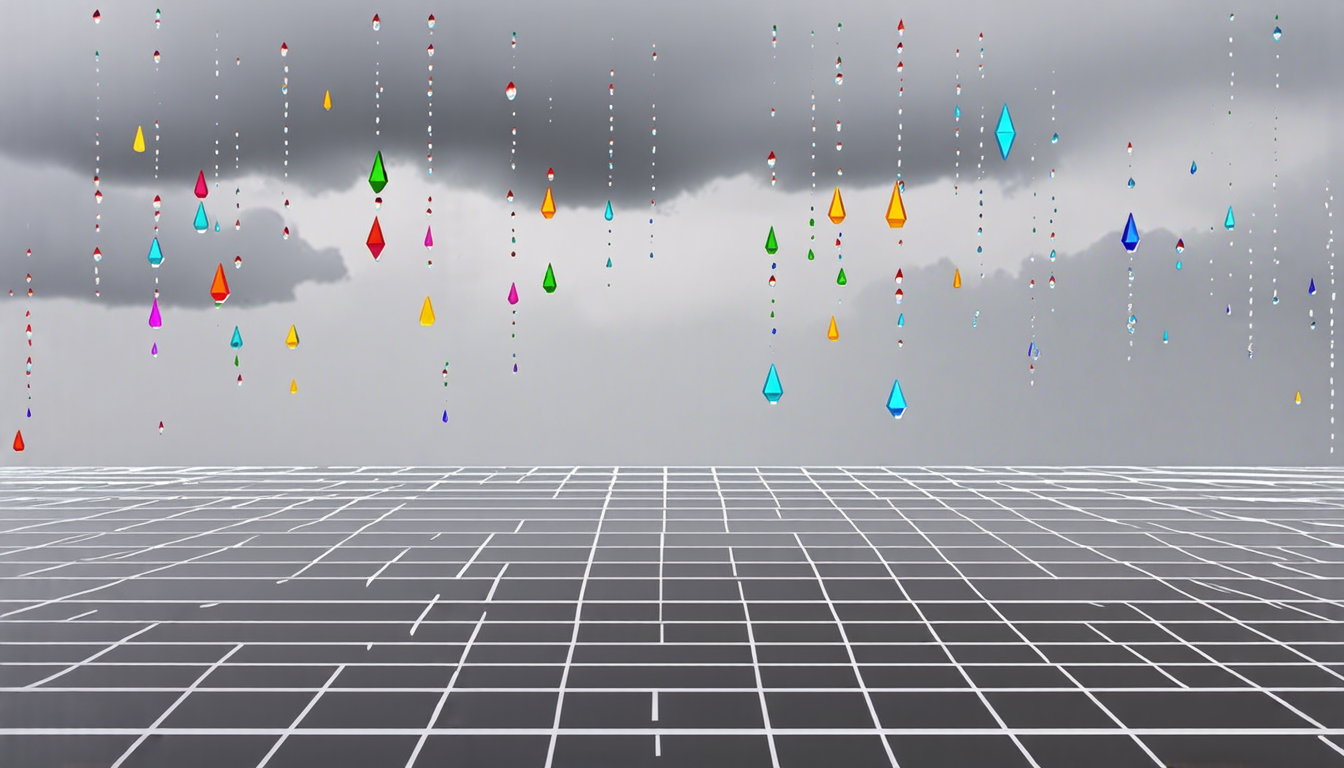
The quest for a more accurate way to measure rainfall has been ongoing for decades, with scientists relying on complex models and indirect methods to estimate precipitation rates. But what if there was a simpler, more reliable way to do it? Enter RainGaugeNet, a new system that uses wireless communication networks to accurately measure rainfall.
The idea is straightforward: by analyzing the signals transmitted through cellular networks during periods of heavy rain, researchers can infer the amount and intensity of precipitation. It’s not unlike using a radar gun to measure speed – except instead of measuring cars, RainGaugeNet measures raindrops.
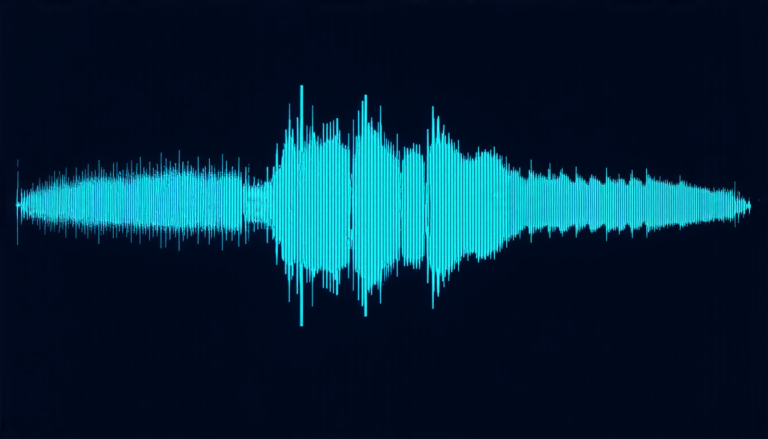
The system works by leveraging the fact that rainfall affects the signal strength and quality received on wireless devices. As rain falls, it scatters and absorbs the signals, causing them to weaken and distort. By analyzing these changes in signal strength and quality, researchers can infer the amount of rain falling at a given location.
But how does this translate into actual measurements? RainGaugeNet uses machine learning algorithms to analyze the data and generate accurate rainfall estimates. The system is trained on a dataset of known rainfall events, allowing it to learn the patterns and relationships between signal strength and precipitation rates.
The results are promising: in tests, RainGaugeNet accurately predicted rainfall rates with an error margin of just 10%. That’s significantly better than traditional methods, which can be off by as much as 50%.
So why is this important? Accurate rainfall measurements are crucial for a wide range of applications, from weather forecasting to flood prediction and disaster response. Right now, many areas rely on indirect methods, such as satellite imagery or rain gauges, which can be limited by factors like cloud cover or equipment malfunction.
RainGaugeNet’s wireless approach has several advantages over traditional methods. For one, it can provide more accurate and detailed measurements of rainfall rates and intensity. It also eliminates the need for physical infrastructure, making it a more cost-effective option for widespread deployment.
The potential applications are vast: imagine using RainGaugeNet to monitor rainfall patterns in areas prone to flooding or drought, or to improve weather forecasting accuracy. The system could even be used to optimize irrigation systems, reducing waste and improving crop yields.
As researchers continue to refine the technology, it’s likely that we’ll see RainGaugeNet become a game-changer for rainfall measurement – and potentially have far-reaching impacts on our understanding of precipitation patterns around the world.
Cite this article: “RainGaugeNet: A Wireless Revolution in Rainfall Measurement”, The Science Archive, 2025.
Rainfall, Measurement, Wireless Networks, Signal Strength, Machine Learning, Algorithms, Accuracy, Weather Forecasting, Flood Prediction, Disaster Response