
Saturday 01 March 2025
A new approach to protecting privacy in social networks has been developed by a team of researchers. This method, called PrivDPR, uses deep learning algorithms to generate synthetic graphs that preserve the original data’s utility while keeping individual identities hidden.
Social networks have become an integral part of modern life, with billions of people connecting and sharing information online. However, this increased connectivity also raises concerns about privacy and security. As our digital footprints grow, so do the risks of identity theft, hacking, and data breaches. To address these issues, researchers have been working on developing methods to anonymize social network data without sacrificing its usefulness.
Traditional approaches to anonymization often rely on removing or modifying sensitive information, such as names and addresses. However, this can lead to a loss of data quality and accuracy, making it difficult to analyze the network’s structure and behavior. The new method developed by the researchers, PrivDPR, takes a different approach.
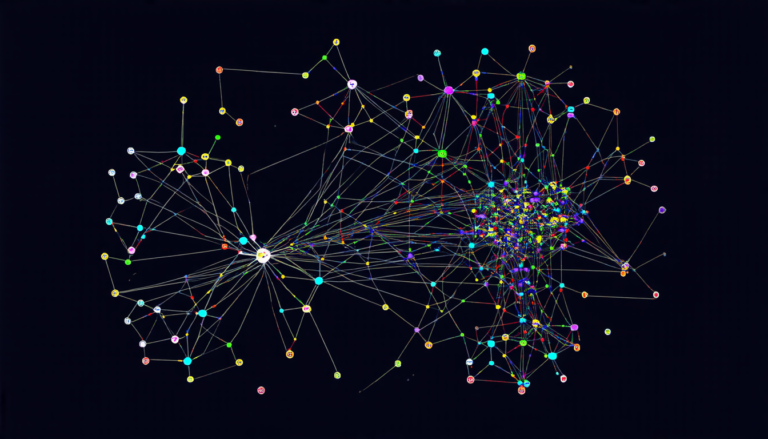
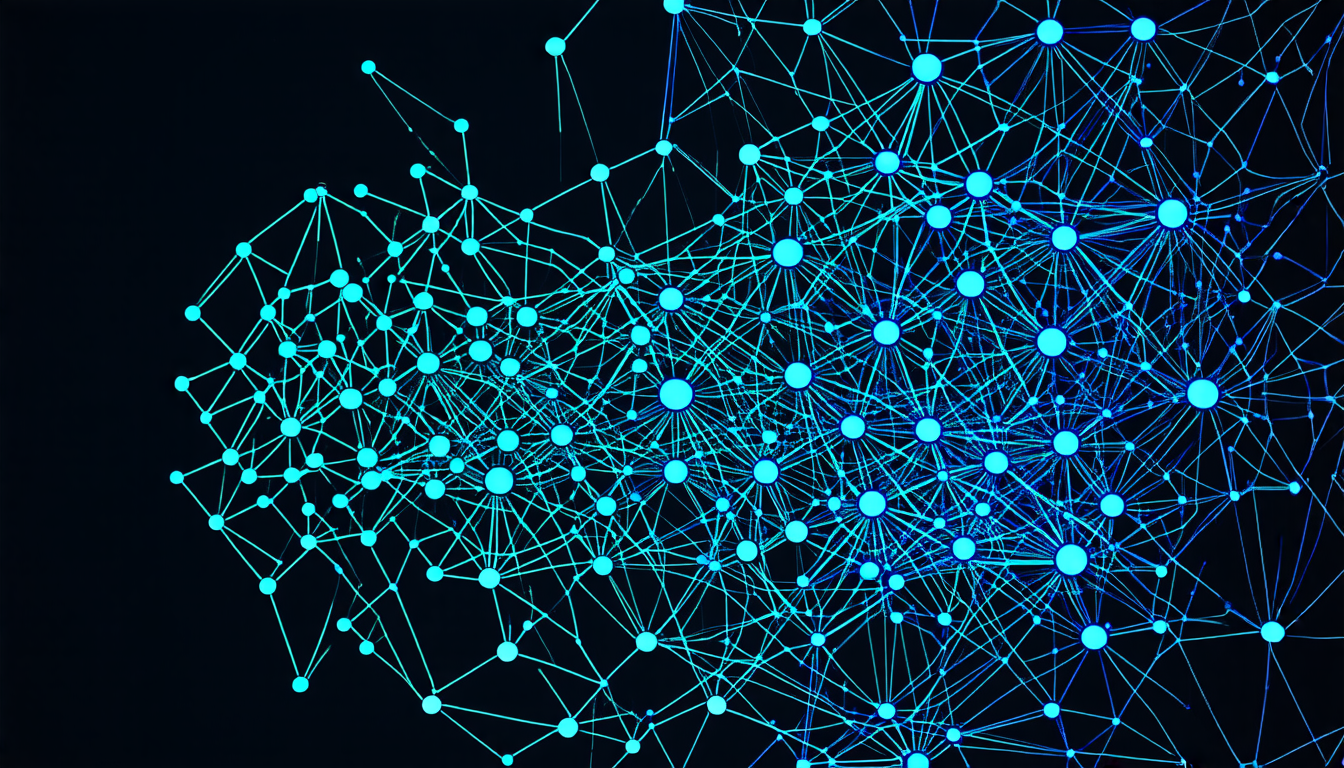
PrivDPR uses deep learning algorithms to generate synthetic graphs that mimic the original social network’s properties. These synthetic graphs are designed to preserve the relationships between individuals, communities, and groups while hiding their individual identities. By doing so, PrivDPR ensures that the anonymized data remains useful for analysis and research purposes.
The researchers tested PrivDPR on several real-world datasets, including Citeseer, p2p, and Chicago. They found that the synthetic graphs generated by PrivDPR maintained high accuracy in link prediction tasks, such as predicting who is likely to be friends with whom or which communities are most active.
Moreover, the team discovered that PrivDPR outperformed other anonymization methods in terms of data utility and stability. The synthetic graphs generated by PrivDPR were more accurate and robust than those produced by traditional methods, allowing researchers to better analyze and understand social network behavior.
The implications of this research are significant. With PrivDPR, social networks can be anonymized without sacrificing their usefulness for analysis and research purposes. This means that scientists and policymakers can gain valuable insights into social network dynamics and behavior without compromising individual privacy.
As our reliance on social networks continues to grow, the need for effective anonymization methods becomes increasingly important. The development of PrivDPR represents a major step forward in this area, offering a powerful tool for protecting individual privacy while preserving data utility.
Cite this article: “Preserving Privacy and Utility in Social Networks with Deep Learning-Based Anonymization”, The Science Archive, 2025.
Privacy, Social Networks, Anonymization, Deep Learning, Synthetic Graphs, Utility, Data Analysis, Research, Individual Identity, Security