

Sunday 02 March 2025
A new communication system for quadriplegic patients is being developed, and it’s a game-changer. For decades, people with severe motor impairments have struggled to communicate effectively, relying on cumbersome devices or caregivers to express their needs. But thanks to advancements in electrooculography (EOG), a non-invasive technology that tracks eye movements, researchers are creating a system that could revolutionize the way these patients interact with the world.
The new system uses EOG signals to detect and track subtle changes in eye movement, allowing users to control a device with their gaze. By simply looking at different parts of a screen or moving their eyes in specific directions, individuals can send text messages, make phone calls, or even control smart home devices. The possibilities are endless.
One of the most impressive aspects of this technology is its ease of use. Unlike other communication systems that require complex training or setup, the EOG-based system is designed to be intuitive and accessible. Users can start using it right away, without needing to learn a new language or navigate complicated menus.
But what really sets this system apart is its potential to improve the daily lives of quadriplegic patients. For many, communication is a major challenge, making everyday tasks like ordering groceries or scheduling appointments incredibly difficult. With this technology, they’ll be able to communicate more effectively and independently, regaining some of their autonomy.
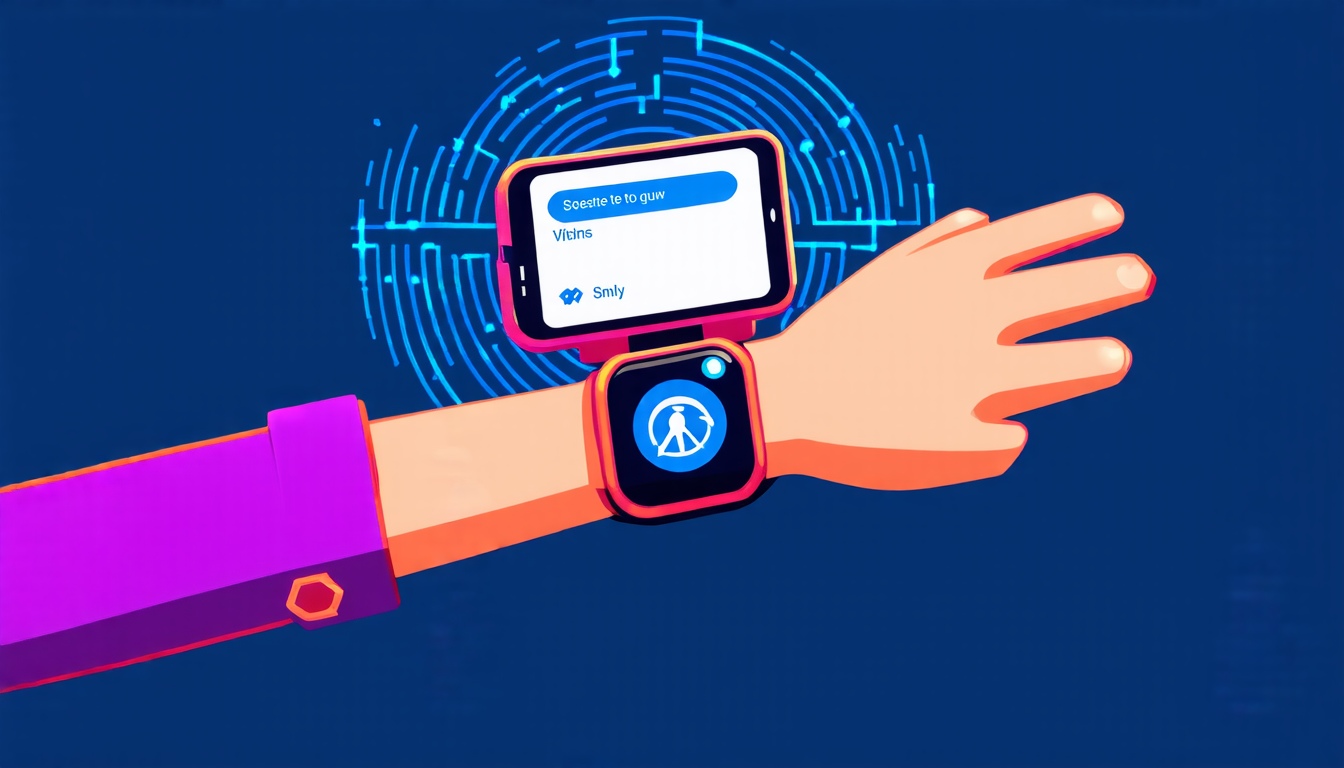
The researchers behind this project have also worked to make the system as affordable and portable as possible. The device itself is small enough to fit on a wristband, making it easy to wear and use anywhere. And because it’s based on EOG technology, there are no expensive implants or invasive procedures required.
Of course, there are still challenges ahead. The system needs to be refined and tested with more users to ensure its reliability and accuracy. But the potential benefits are clear: this technology could change the lives of thousands of people around the world.
As researchers continue to develop and refine this system, it’s likely that we’ll see even more innovative applications in the future. Imagine being able to control a robotic arm or navigate a virtual reality experience using only your eyes. The possibilities are endless, and it’s exciting to think about what the future might hold for people with severe motor impairments.
In short, this new communication system has the potential to revolutionize the lives of quadriplegic patients, offering them greater independence, autonomy, and connection to the world around them.
Cite this article: “Breaking Down Barriers: A New Communication System for Quadriplegic Patients”, The Science Archive, 2025.
Quadriplegic, Electrooculography, Communication System, Eye Movements, Non-Invasive Technology, Eog Signals, Accessibility, Autonomy, Independence, Motor Impairments





