

Monday 03 March 2025
Scientists have made a significant breakthrough in the field of medical imaging, allowing for the creation of synthetic MRI images that are almost indistinguishable from real ones. This technology has the potential to revolutionize the way doctors diagnose and treat patients.
The new method uses a type of artificial intelligence called generative adversarial networks (GANs) to create highly detailed and realistic MRI images. These GANs are trained on large datasets of actual MRI scans, allowing them to learn the patterns and features that define different types of tissue and structures in the body.
Once trained, the GANs can be used to generate new MRI images that match a specific set of parameters, such as the location and type of scan. This means that doctors could use the technology to create synthetic images of patients’ bodies before they even undergo an actual scan, allowing them to better prepare for treatment and make more informed decisions.
One of the key advantages of this technology is its ability to generate high-quality images from incomplete or corrupted data. This is particularly important in medical imaging, where missing or distorted information can be a major obstacle to accurate diagnosis.
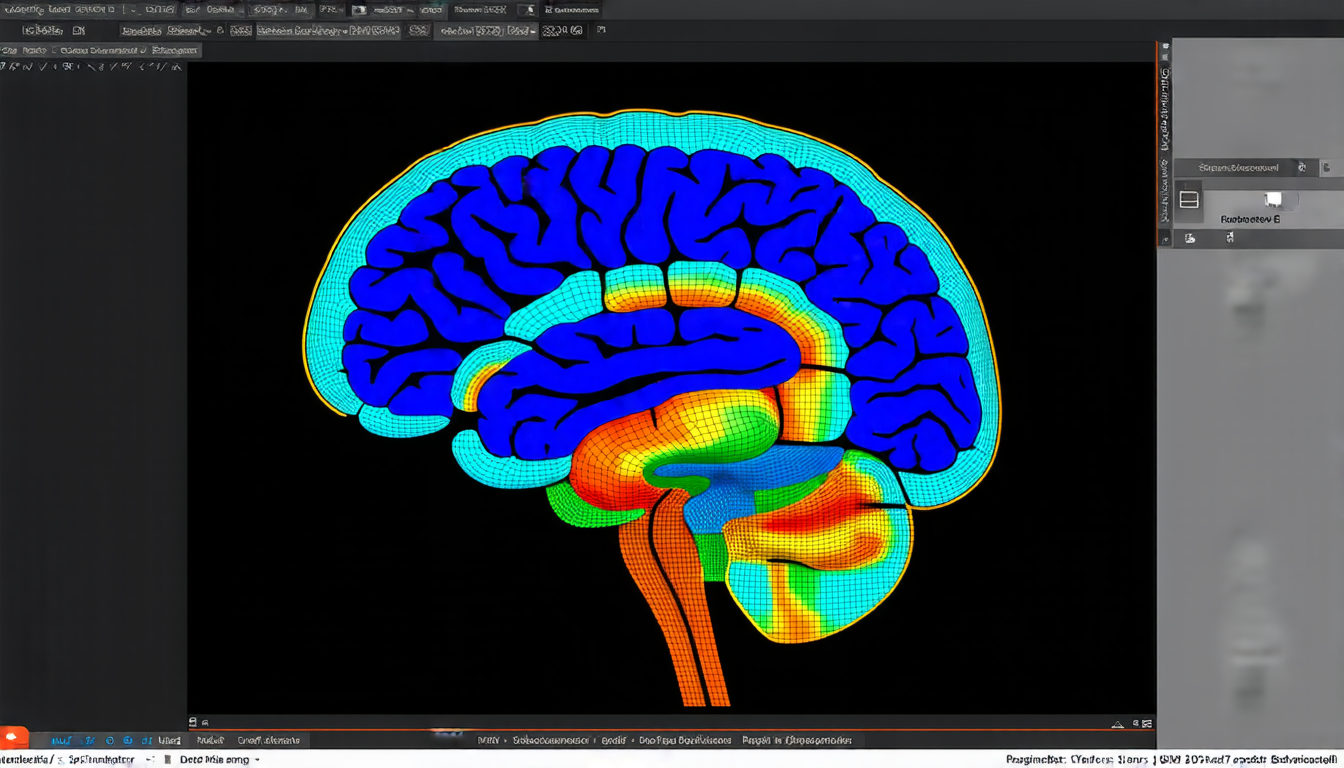
The researchers behind the study used their GANs to create synthetic MRI images of the brain and spine, and compared them to actual scans taken on real patients. The results were impressive: the synthetic images were almost identical to the real ones, with only minor differences in texture and detail.
This technology has far-reaching implications for the field of medicine. For example, it could be used to create personalized models of patients’ bodies, allowing doctors to practice surgery or radiation therapy before actually performing the procedure. It could also be used to generate images of rare or unusual conditions, helping doctors to better understand and diagnose these conditions.
In addition, the technology has the potential to reduce the need for actual MRI scans, which can be time-consuming and expensive. This could be particularly beneficial in emergency situations, where every minute counts.
The researchers are now working on refining their GANs to make them even more accurate and detailed. They believe that with further development, this technology could become a valuable tool in the medical toolkit, helping doctors to diagnose and treat patients more effectively.
Cite this article: “Synthetic MRI Technology Revolutionizes Medical Imaging”, The Science Archive, 2025.
Medical Imaging, Mri, Artificial Intelligence, Generative Adversarial Networks, Synthetic Images, Medical Diagnosis, Personalized Models, Surgery, Radiation Therapy, Healthcare Technology





