
Monday 03 March 2025
Researchers have made significant strides in understanding the complex relationship between cancer cells and their microenvironment, a crucial step towards developing more effective treatments for this devastating disease.
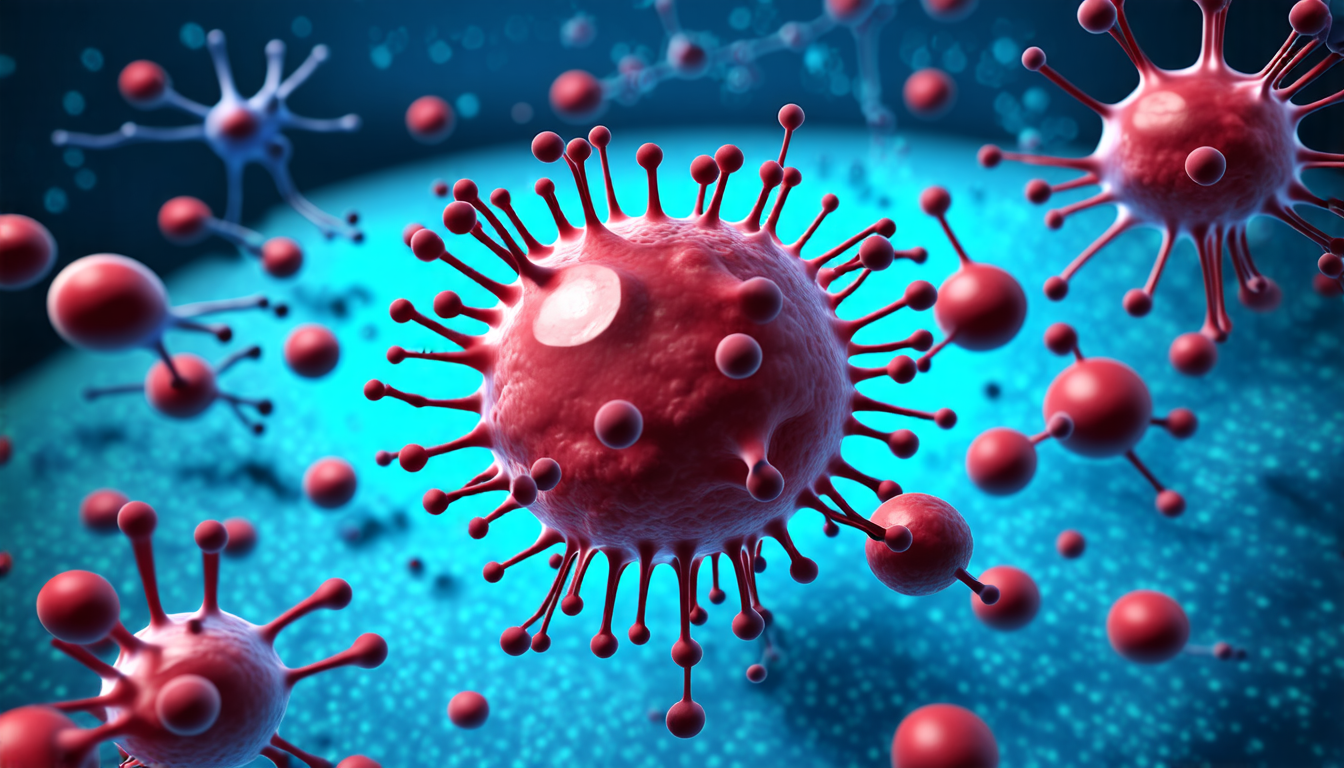
Cancer is often viewed as a rogue cell that has escaped its normal regulatory mechanisms, but it’s becoming increasingly clear that this view is too simplistic. In reality, cancer cells are highly interconnected with their surrounding environment, which plays a significant role in determining the course of the disease.
Single-cell RNA sequencing technology has enabled scientists to study individual cancer cells and their microenvironment at unprecedented levels of detail. By analyzing the unique gene expression profiles of each cell, researchers can gain insights into how these cells interact and respond to their surroundings.
One of the key findings is that cancer cells are not uniform entities, but rather a diverse population of cells with distinct characteristics. Some cells may be more aggressive and prone to metastasis, while others may be more quiescent and resistant to treatment.
The microenvironment, which includes immune cells, fibroblasts, and other non-cancerous cells, also plays a crucial role in shaping the behavior of cancer cells. For example, some immune cells can promote the growth and survival of cancer cells, while others can inhibit their proliferation.
By analyzing the interactions between cancer cells and their microenvironment, researchers hope to identify new therapeutic targets for treatment. One promising approach is to target specific signaling pathways that are critical for communication between cancer cells and their surroundings.
Another area of research focuses on understanding how cancer cells adapt to changing environmental conditions, such as hypoxia or nutrient deprivation. By identifying the genes and pathways involved in these adaptations, scientists may be able to develop new strategies for overcoming treatment resistance.
The study of single-cell RNA sequencing has also revealed novel biomarkers for cancer diagnosis and prognosis. For example, certain gene expression patterns have been linked to poor outcomes in patients with glioblastoma, a type of brain cancer.
As researchers continue to uncover the complex interplay between cancer cells and their microenvironment, it’s clear that this knowledge will be crucial for developing more effective treatments for this devastating disease. By targeting specific signaling pathways, adapting treatment strategies to changing environmental conditions, and identifying novel biomarkers, scientists may finally be able to make a meaningful impact on the lives of patients with cancer.
The study of single-cell RNA sequencing is an exciting area of research that holds great promise for improving our understanding of cancer and developing new treatments.
Cite this article: “Unraveling the Complex Interplay Between Cancer Cells and Their Microenvironment”, The Science Archive, 2025.
Cancer Cells, Microenvironment, Rna Sequencing, Single-Cell Analysis, Gene Expression, Cancer Diagnosis, Prognosis, Biomarkers, Signaling Pathways, Treatment Resistance.