

Monday 03 March 2025
A team of researchers has made a significant breakthrough in medical imaging, developing a new method that uses artificial intelligence to improve the quality of MRI scans. The technique, known as ContextMRI, can reconstruct images more accurately and efficiently than traditional methods, opening up new possibilities for diagnosing and treating diseases.
The problem with current MRI technology is that it requires patients to hold still for extended periods while the machine takes multiple readings. This can be uncomfortable and even painful for some individuals, particularly those who are anxious or have difficulty holding their breath. Additionally, the process can take several minutes, which may not be practical for emergency situations where quick diagnosis is crucial.
ContextMRI addresses these issues by using a type of artificial intelligence called a diffusion model to generate images from incomplete data. This allows the machine to reconstruct images more quickly and accurately than traditional methods, even when patients are unable to hold still or if there is limited available data.
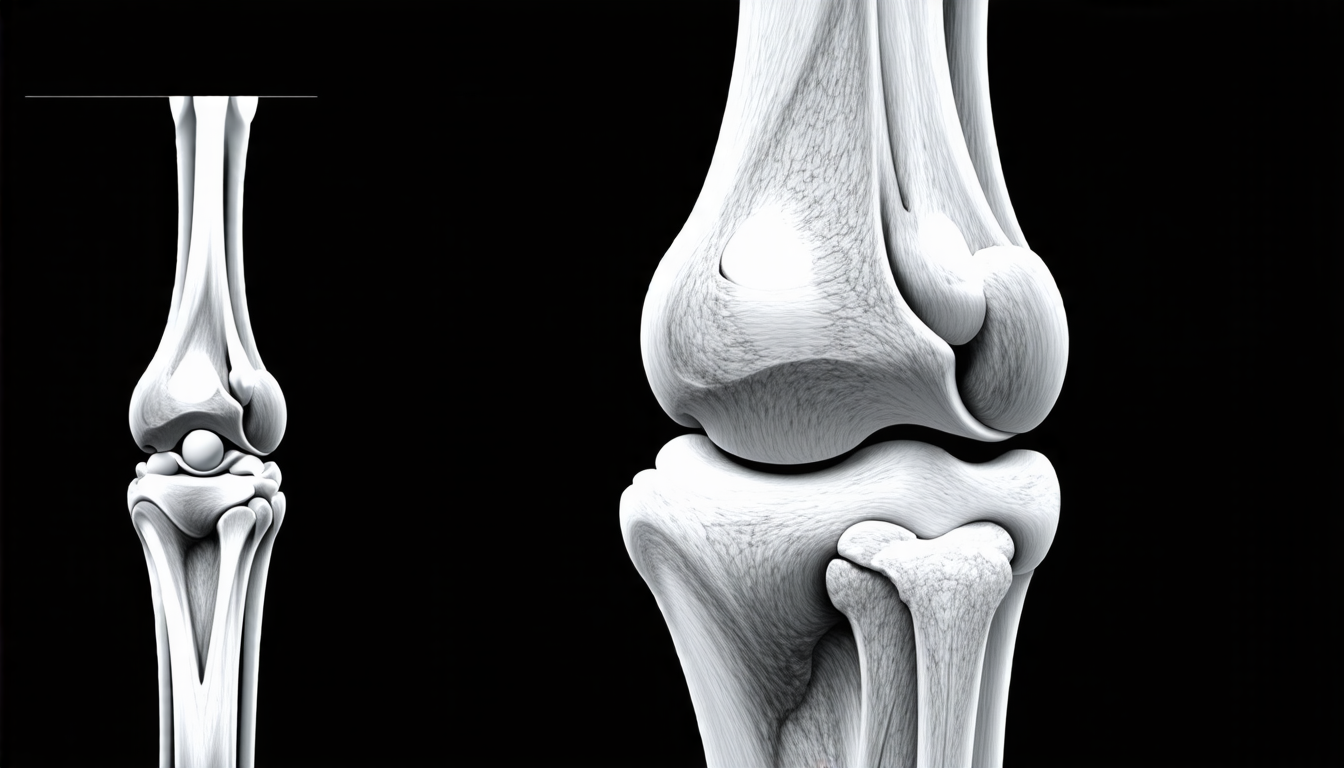
The technology has been tested on several datasets, including MRI scans of knees and brains, as well as a dataset specifically designed for medical imaging called SKM-TEA. The results show that ContextMRI can produce high-quality images with significantly less data than traditional methods, making it more efficient and effective.
One of the key advantages of ContextMRI is its ability to incorporate metadata into the image reconstruction process. Metadata refers to additional information about the patient, such as their age, sex, and medical history, which can be used to improve the accuracy of the images. This information is typically discarded in traditional MRI scans, but with ContextMRI it can be used to refine the reconstructed images.
The potential applications of ContextMRI are vast. It could be used to improve diagnosis and treatment for a wide range of diseases, from cancer to neurological disorders. It could also enable more efficient and effective use of medical resources, such as reducing the need for repeat scans or unnecessary procedures.
While there is still much work to be done before ContextMRI can be widely adopted in hospitals, this breakthrough has the potential to revolutionize the field of medical imaging. By leveraging artificial intelligence and metadata to improve image reconstruction, researchers are one step closer to achieving high-quality images with minimal discomfort and inconvenience for patients.
Cite this article: “Revolutionary MRI Technology Uses AI to Improve Image Quality”, The Science Archive, 2025.
Medical Imaging, Artificial Intelligence, Mri Scans, Contextmri, Diffusion Model, Image Reconstruction, Metadata, Cancer Diagnosis, Neurological Disorders, Medical Resources





